HVAC guides
Why Your New Jersey Heating Bill Jumped
A bill noticeably above the same month last year has a cause, and it is rarely the one people assume. Work through these in order — the first three are free.
Short answer
The usual causes, in order of how often they turn out to be it: a dirty filter, a thermostat schedule that stopped working, duct leakage in an unconditioned space, a heat pump running on backup resistance heat, and a genuine rate or fuel-price change. Compare degree days before assuming the system is at fault.
First, check it against the weather
A colder month costs more, and New Jersey winters vary a great deal year to year. Before diagnosing the system, look at whether the bill shows heating degree days or compares against the same period last year — most utility bills do one or both.
If the degree days are up 20% and the bill is up 20%, the system is behaving normally and the weather is the answer.
The free things to check
In the order they are most often the cause.
The filter
A restricted filter makes the blower work harder to move less air, and on a furnace it can trip the limit switch repeatedly, which wastes a cycle every time. It is the single most common cause of an unexplained increase and it costs a few dollars.
The thermostat schedule
Smart thermostats lose schedules after power cuts, firmware updates and battery changes, and then hold one temperature around the clock. A house heated to 70 degrees overnight and while empty costs meaningfully more than one that sets back — and nothing about the system feels wrong.
Someone changed the setting
Worth ruling out before spending money. A couple of degrees is a real difference over a New Jersey winter.
The things that cost money to fix but often pay back
If the free checks come up clean.
Duct leakage into unconditioned space
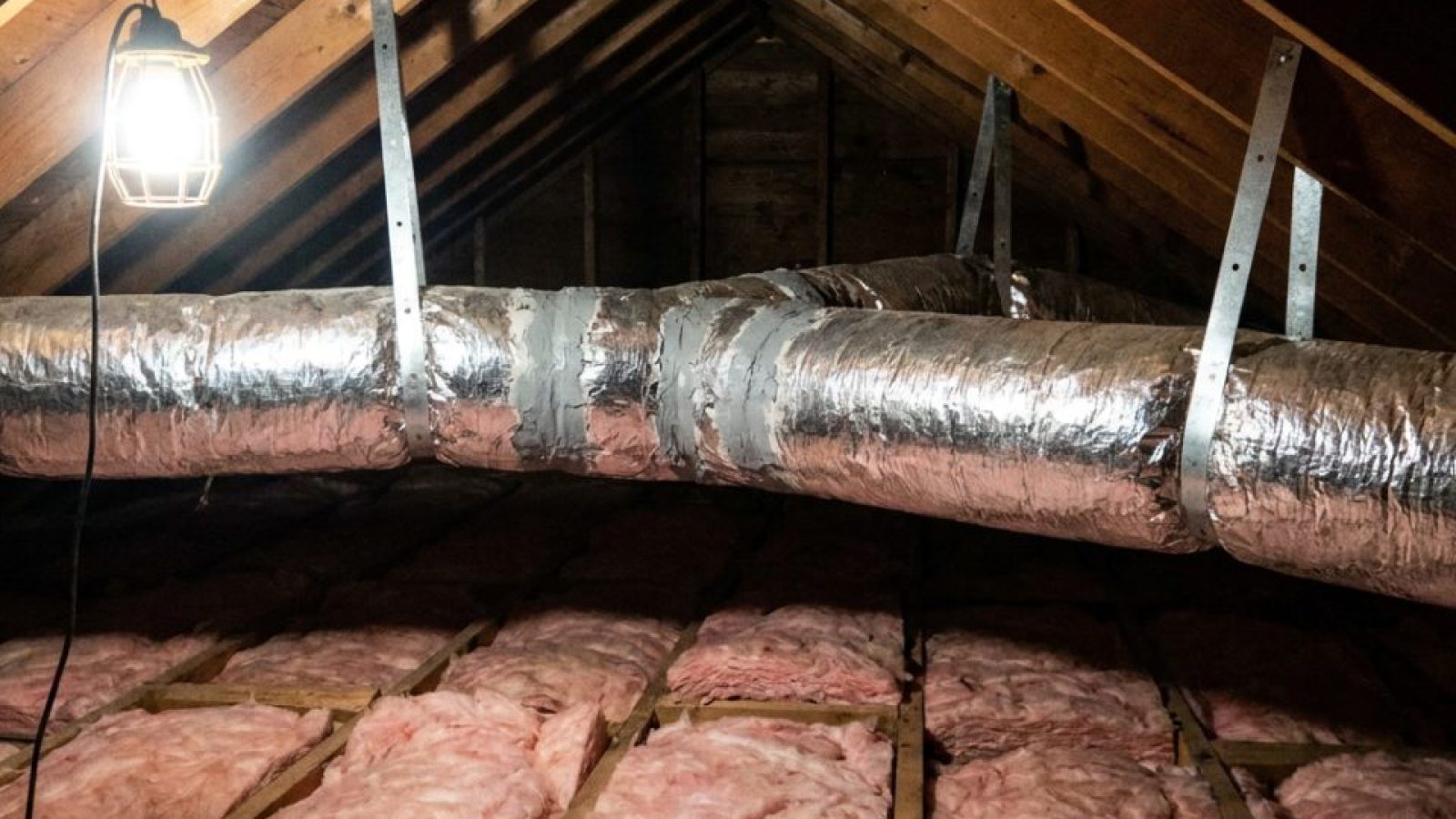
Ducts running through an unheated attic, crawl space or garage lose heat through their walls and through every unsealed joint. In a New Jersey winter that is heat you paid for, delivered to the attic. Sealing with mastic and insulating those runs is a day's work and frequently the largest available saving in a house that has them.
A heat pump leaning on backup heat
This one produces genuinely alarming bills and no obvious symptom, because the house stays warm. If the changeover control hands over to electric resistance backup too eagerly — or the heat pump is undersized, or low on charge — you are heating with the most expensive method available while everything appears to work. Worth checking specifically if you have a heat pump and a surprising bill.
A system losing efficiency
Dirty burners, a failing inducer, poor combustion, a boiler cycling badly. This is what annual servicing catches, and a combustion analysis puts a number on it rather than a guess.
And the causes that are not the system at all
Two that get blamed on equipment and are not.
Fuel and rate changes
Oil prices move, and electricity and gas supply rates change on a schedule that has nothing to do with your equipment. Check the unit rate on the bill against last year, not just the total. In New Jersey you can also change third-party supplier while keeping the same utility, which is worth reviewing if the supply rate looks high.
The building envelope
Thin attic insulation, air leakage, single glazing. None of it is an HVAC fault and all of it shows up on the heating bill. In New Jersey's older housing stock this is frequently where the real money is, and state programs that pay on measured savings exist partly to encourage exactly this work.
Need this done?
Ductwork Repair and Sealing across New Jersey
Free to use, no obligation — we never charge you.
Frequently asked questions
Why did my bill jump with no change in the weather?
Check the filter and the thermostat schedule first — those two account for most cases. Then check the unit rate on the bill against last year, because supply rates change independently of anything you did.
Can HVAC maintenance actually lower my bills?
Modestly and reliably, yes — clean coils, correct charge and good combustion all matter. But the larger savings in most New Jersey houses are duct sealing and attic insulation rather than the equipment itself.
My heat pump bill is much higher than expected. Why?
Most often it is running on electric resistance backup more than it should — a changeover control set too eagerly, an undersized unit, or low refrigerant charge. The house stays warm, so nothing feels wrong. Worth having the changeover behavior checked specifically.
Is it cheaper to leave the heating on low all day?
No, for a conventional furnace or boiler — setting back while the house is empty saves. For a heat pump the answer is more nuanced, because deep setbacks can trigger the expensive backup heat on recovery. Modest setbacks are the safe approach there.
HVAC services near you
- Trenton
- Newark
- Paterson
- Jersey City
- Hamilton
- Parsippany
- New Brunswick
- Camden
- Clifton
- Edison
- Elizabeth
- Princeton
- Tinton Falls
- Hopatcong
- Plainfield
- Red Bank
- Robertsville
- Sayreville
- Toms River
- Vineland