224 cities and towns covered
Furnace Repair in New Jersey
Most no-heat calls are one of four inexpensive parts, and a good number are not a fault at all but a filter. One finding is different: a cracked heat exchanger vents combustion products into the air you breathe, and it ends the unit rather than being repaired.
Leave the building and call from outside — that is an emergency services call, not a service call. A yellow burner flame or headaches that clear when you leave the house point the same way. For no heat in freezing weather, call rather than read on: the risk there is frozen pipes rather than comfort, and it arrives within hours.
Call about furnace repair
(949) 703-2282Free to use, and there is nothing to pay us. You are never committed to going ahead.
What happens when you call
- You describe the problem and where you are.
- We put you in touch with a licensed contractor covering that area.
- They arrange the visit and agree the price with you directly.
Worth having to hand
- Roughly how old the system is
- What it is doing — or not doing
- Your ZIP code
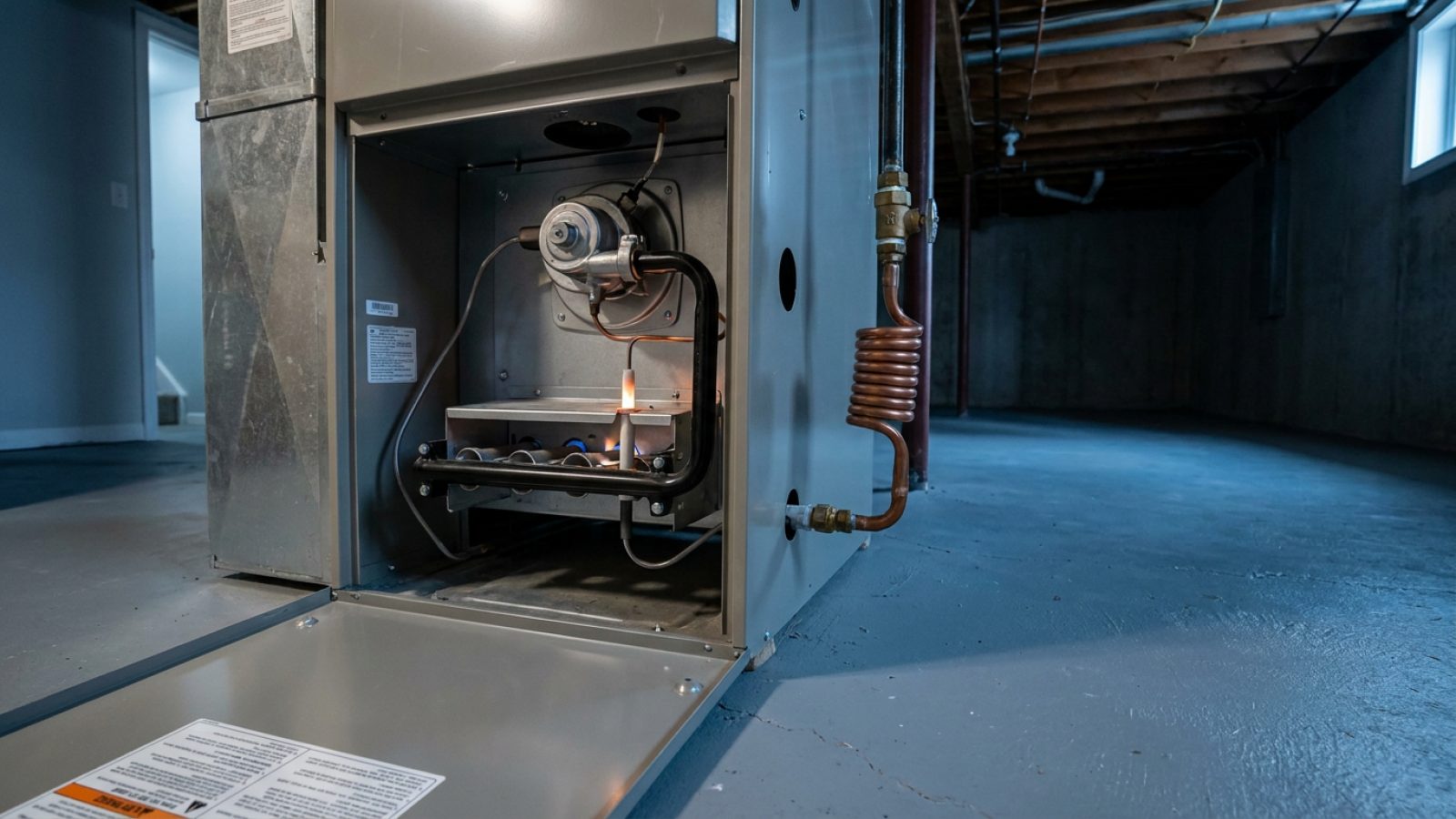
What to ask for on Furnace Repair
- Same-day reply on no-heat calls through the heating season
- A furnace that heats then stops is often reporting a dirty filter
- Ask for the diagnosis and price before work starts
- A cracked heat exchanger is a replacement, not a repair
- Licensed & insured We match you with contractors who hold current licensing and cover.
- Know what to ask Every page says what decides the price, so you can judge a quote.
- Free to use We never charge you. Compare quotes and walk away at any point.
- Same-day reply Inquiries answered the day they arrive, usually within a couple of hours.
How it works
Three steps, no obligation at any of them.
-
1
Call and tell us what is wrong
Describe the problem and give us your ZIP code. We match you with a licensed HVAC contractor covering your area — there is nothing to fill in and nothing to pay us.
-
2
A local contractor gets in touch
A licensed HVAC professional contacts you to discuss the problem and arrange a visit. What they charge to attend or diagnose is theirs to set, so agree it with them up front.
-
3
You decide
Book the work, wait a season, or get a second quote. There is no obligation to go ahead with the contractor we introduce you to, and nothing to pay us either way.
What these repairs look like
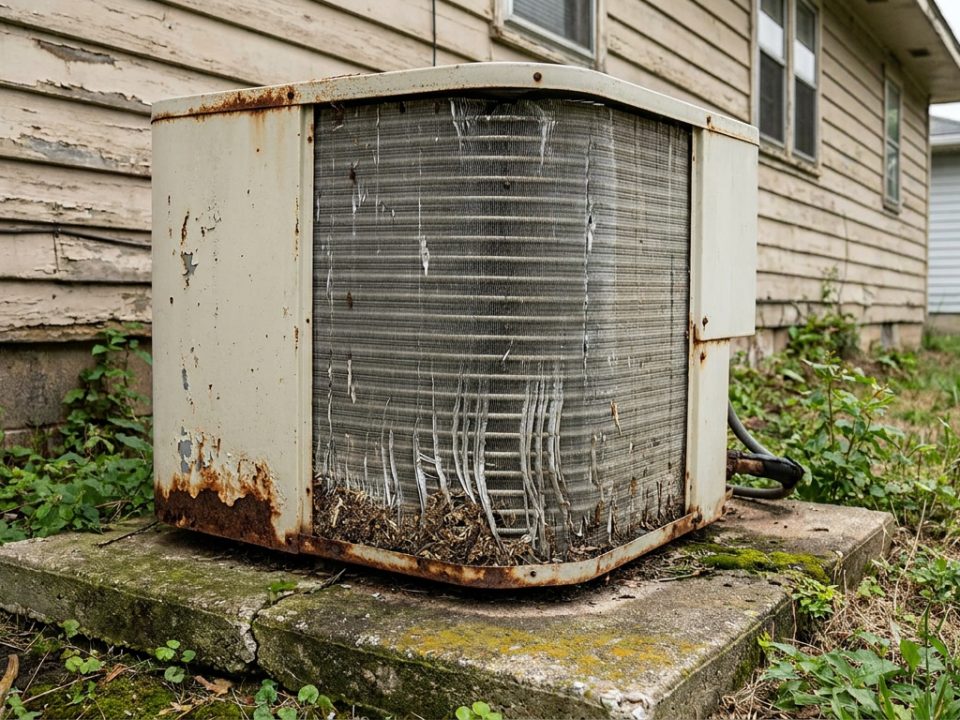
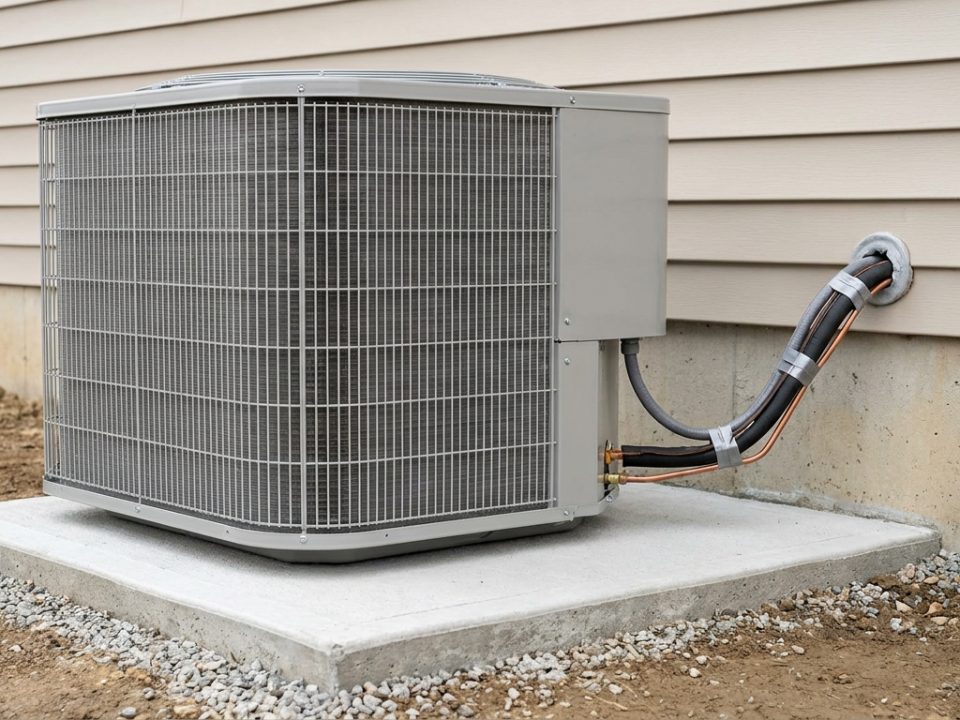
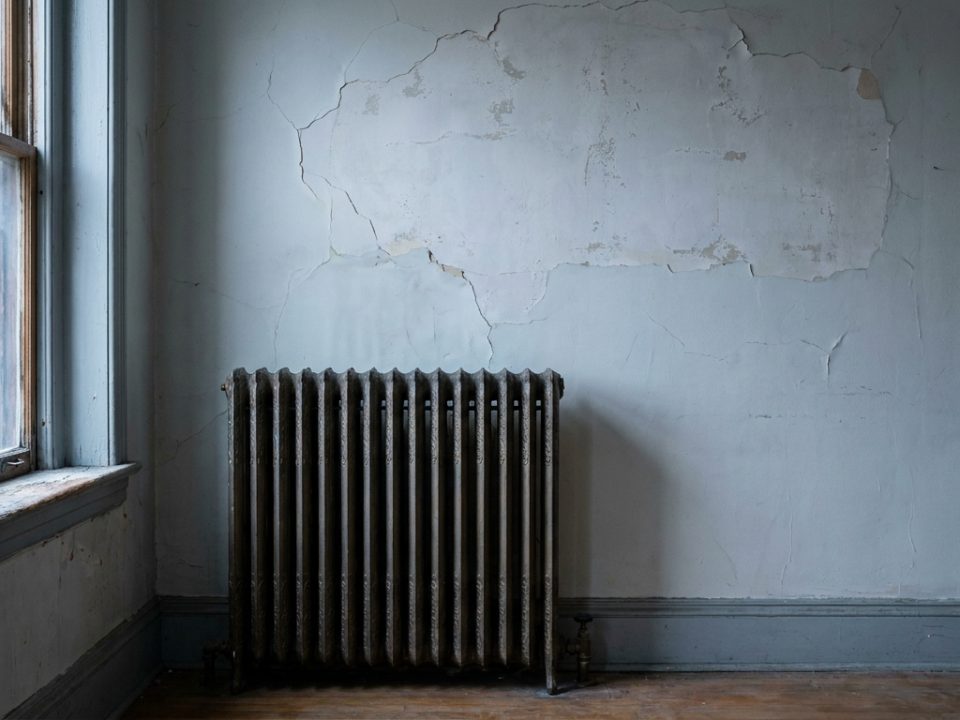
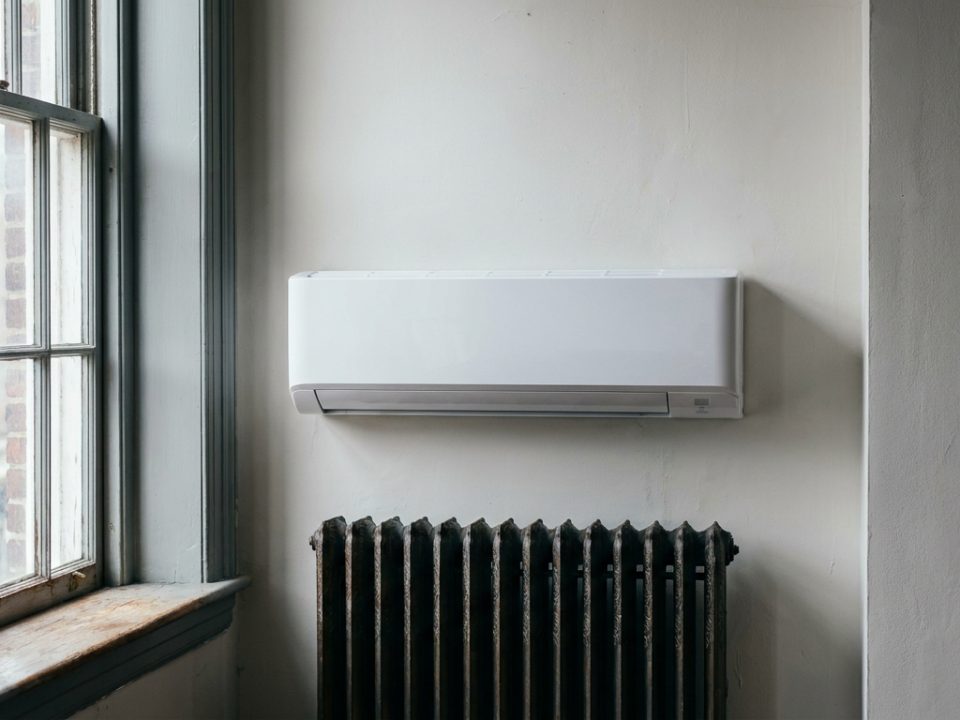
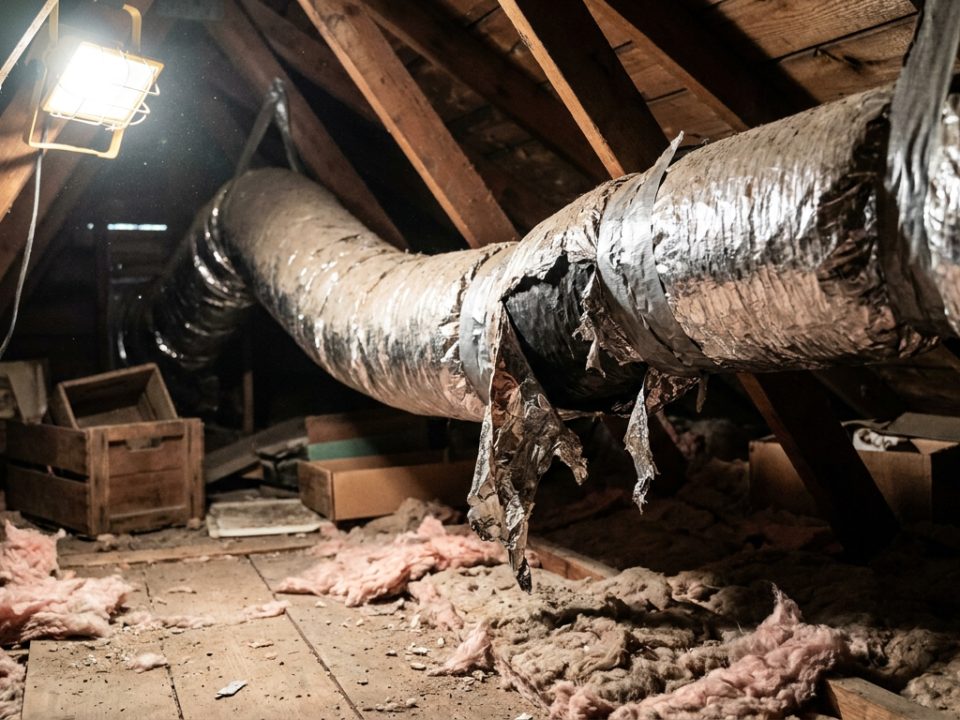
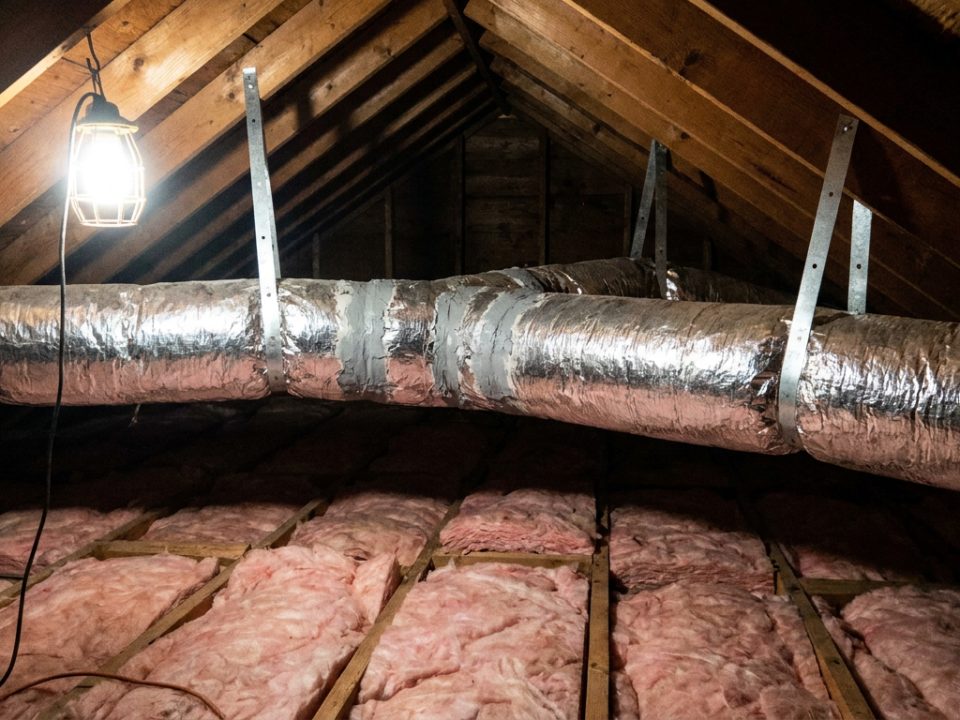
Illustrative examples of the work described here. More in our disclaimer.
Why has my furnace stopped?
Modern furnaces are conservative — they shut themselves down rather than run in a state they do not like. That makes most no-heat calls a matter of finding which safety tripped and why.
A failed igniter
Hot-surface igniters glow to light the burners and they are consumable — most last five to ten years and then crack. The symptom is a furnace that goes through its sequence, the inducer runs, and then nothing lights. It is one of the cheapest parts on the appliance and one of the most commonly replaced.
A dirty flame sensor
A thin metal rod sits in the flame and confirms it is actually burning. It accumulates a film of oxide, stops sensing reliably, and the control board shuts the gas valve within seconds as a safety response. The classic symptom is a furnace that lights, runs for three to five seconds, and shuts off — repeatedly. Cleaning it takes minutes.
A blocked condensate line
High-efficiency condensing furnaces produce acidic water as a by-product and drain it. When that line blocks or freezes, a float switch shuts the furnace down. This is a common New Jersey call in a cold snap, particularly where the line runs to an exterior wall or an unheated garage.
A limit switch tripping on airflow
This is the one worth knowing about. If airflow across the heat exchanger is restricted, the furnace overheats and the limit switch cuts it out. The symptom is a furnace that heats, then stops before the house is warm, then restarts a few minutes later. Nine times in ten the restriction is a filter nobody has changed. Check that before you call anyone.
A cracked heat exchanger, and why it ends the argument
The heat exchanger is the metal barrier between the combustion gases and the air circulating through your house. It is the entire reason a furnace is safe. When it cracks, combustion products — including carbon monoxide — can pass into the supply air.
Why it is not repaired
Nothing is welded or patched. A cracked exchanger means the furnace is condemned, and a technician finding one will red-tag the appliance and shut off the gas. That is the correct response and not an upsell, though it is worth understanding the difference: a genuine finding is demonstrable. Ask to be shown the crack, or the combustion analysis reading, or the camera image. A contractor who has found one will have no difficulty showing you.
Get a second opinion if you are unsure
This is an expensive diagnosis and it is occasionally made loosely. If the furnace is not obviously at end of life and you were not shown evidence, a second inspection costs a fraction of a replacement. Any reputable firm expects this on a condemnation.
Working CO alarms are not optional
New Jersey requires carbon monoxide alarms in homes. On any level with a fuel-burning appliance or an attached garage, and outside sleeping areas. They are the backstop for exactly this failure and they expire — most have a service life stamped on the back.
Why is my furnace blowing cold air?
Several unrelated causes present identically, and one is not a fault at all.
The fan is set to ON
With the thermostat fan set to ON rather than AUTO, the blower runs continuously — including between heating cycles, when it is moving room-temperature air. People reliably read this as cold air. Switch to AUTO first.
It lights and then drops out
Warm air for thirty seconds then cold usually means the burners lit and then shut down while the blower kept running — a flame sensor or a gas supply issue. That is a repair.
It never lights at all
Blower running, no heat ever: igniter, gas valve, or a safety that has locked the appliance out. Many furnaces flash a diagnostic code on a small LED behind the access panel, and the legend is usually printed inside the door. Reading that code before you call saves time and sometimes money.
Repair or replace, on a New Jersey furnace
Age against repair cost, with the local wrinkle that a replacement here often triggers a venting decision.
The rough arithmetic
Under ten years, repair. Past fifteen to twenty with a repair approaching a third of replacement, replacement usually wins. Past twenty with anything significant, it is money spent on borrowed time.
The venting question comes with it
A high-efficiency condensing furnace vents through PVC out a side wall instead of up the existing flue. In a great many New Jersey houses that flue is shared with the water heater, and removing the furnace from it leaves the water heater alone on a flue sized for two appliances — which then condenses and deteriorates. It is a real cost and it belongs on the quote, not discovered afterwards.
Price a heat pump alongside
Worth doing on every replacement in this state. New Jersey stacks a Whole Home rebate with a separate utility rebate, and the combination closes much of the difference against a like-for-like furnace.
Furnace Repair — frequently asked questions
Why does my furnace keep turning on and off?
Short cycling. The most common cause is restricted airflow tripping the limit switch, and the most common restriction is a dirty filter. After that: an oversized furnace that satisfies the thermostat too quickly, a thermostat sited badly — above a supply register or in direct sun — or a failing flame sensor. Change the filter first.
How long does a furnace last in New Jersey?
Fifteen to twenty years is typical, and annual servicing genuinely extends it. Systems in unconditioned attics and crawl spaces tend to the shorter end, and anything near the shore shorter again.
What is a red tag?
A formal notice that an appliance is unsafe to operate, usually attached with the gas shut off. In New Jersey it most often follows a cracked heat exchanger, a serious combustion problem or a venting fault. It is not a sales tactic — but you are entitled to see the evidence, and a second opinion is reasonable before spending thousands.
Can I repair a furnace myself?
Filters, yes. Resetting a tripped switch, yes. Anything past that involves fuel gas, combustion or line-voltage electrics, and New Jersey requires a Master HVACR license for a reason. The failure modes are carbon monoxide and fire rather than an inconvenience.
Why does my furnace smell like burning when I first turn it on?
Dust that settled on the heat exchanger over summer burning off. It smells like scorched dust and clears within an hour or two of the first run of the season. If it smells electrical, acrid or like plastic — or if it persists — shut it down and have it looked at.
Do you handle both gas and electric furnaces?
Yes, and oil-fired equipment too, which still matters in the north of the state. Say which you have on the call — the diagnosis and the likely parts differ substantially, and it helps to send someone who works on that fuel routinely.
What should I do if my heating stops working during a New Jersey winter?
Check the filter, the service switch — the one that looks like a light switch near the unit or at the top of the basement stairs — and the breaker, in that order. Read any diagnostic code flashing behind the access panel; the legend is usually printed inside the door. If it is below freezing, treat it as urgent because of pipes: open cabinet doors under sinks on exterior walls and run a thin trickle from the furthest faucet while you wait.
How often should a furnace be inspected in New Jersey?
Once a year, before the heating season rather than during it. The important part is the combustion analysis and heat exchanger inspection — those are safety checks rather than efficiency ones, and they are what an annual visit is genuinely for.
Is a gas furnace or a heat pump better for New Jersey weather?
It depends where in the state and what you heat with now. Against oil or propane — common across Morris, Sussex, Warren and parts of Monmouth — a cold-climate heat pump usually wins clearly on running cost, and the state and utility rebates stack on top. Against cheap natural gas the margin is narrower. In the northwest highlands the specification matters more than anywhere else in the state.
Furnace Repair near you
We cover cities and towns across New Jersey.