224 cities and towns covered
Emergency HVAC Repair in New Jersey
No heat below freezing is a burst-pipe risk within hours, not a comfort problem. No cooling in a heat wave is a health risk for anyone vulnerable. A good deal else is worth knowing about before you pay after-hours rates — and this page says which is which.
Leave the building and call from outside — that is an emergency services call, not a service call. A yellow burner flame or headaches that clear when you leave the house point the same way. For no heat in freezing weather, call rather than read on: the risk there is frozen pipes rather than comfort, and it arrives within hours.
Call about emergency
(949) 703-2282Free to use, and there is nothing to pay us. You are never committed to going ahead.
What happens when you call
- You describe the problem and where you are.
- We put you in touch with a licensed contractor covering that area.
- They arrange the visit and agree the price with you directly.
Worth having to hand
- Roughly how old the system is
- What it is doing — or not doing
- Your ZIP code
What to ask for on Emergency HVAC Repair
- Same-day reply, evenings and weekends included
- Ask for the after-hours rate before anyone is dispatched
- Gas smell or a CO alarm is not a service call — leave and dial 911
- What to do while you wait, on this page
- Licensed & insured We match you with contractors who hold current licensing and cover.
- Know what to ask Every page says what decides the price, so you can judge a quote.
- Free to use We never charge you. Compare quotes and walk away at any point.
- Same-day reply Inquiries answered the day they arrive, usually within a couple of hours.
How it works
Three steps, no obligation at any of them.
-
1
Call and tell us what is wrong
Describe the problem and give us your ZIP code. We match you with a licensed HVAC contractor covering your area — there is nothing to fill in and nothing to pay us.
-
2
A local contractor gets in touch
A licensed HVAC professional contacts you to discuss the problem and arrange a visit. What they charge to attend or diagnose is theirs to set, so agree it with them up front.
-
3
You decide
Book the work, wait a season, or get a second quote. There is no obligation to go ahead with the contractor we introduce you to, and nothing to pay us either way.
What these repairs look like
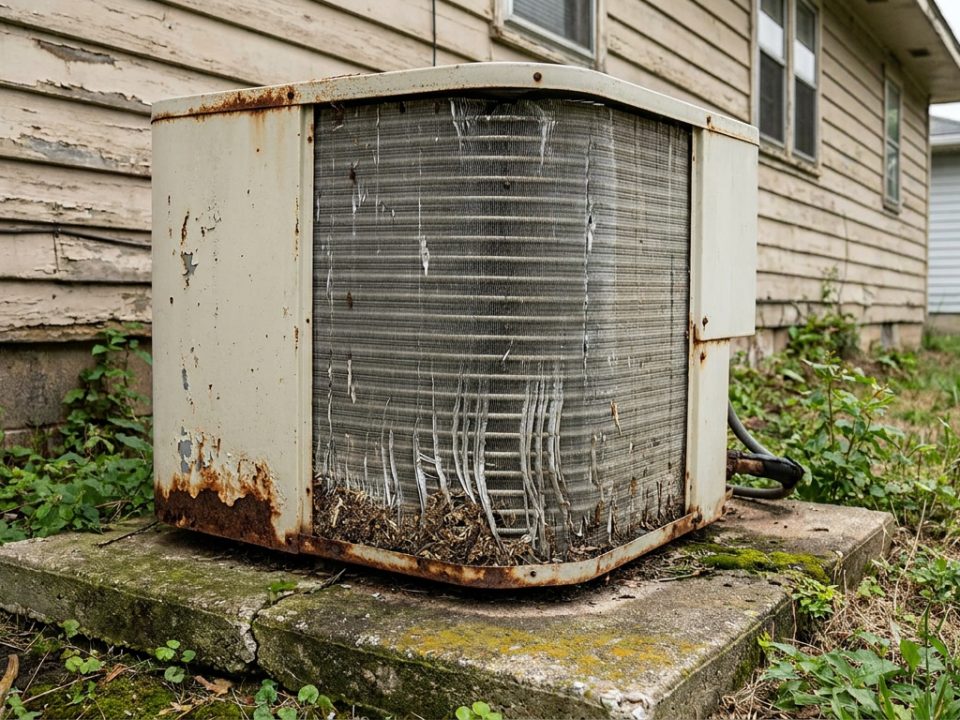
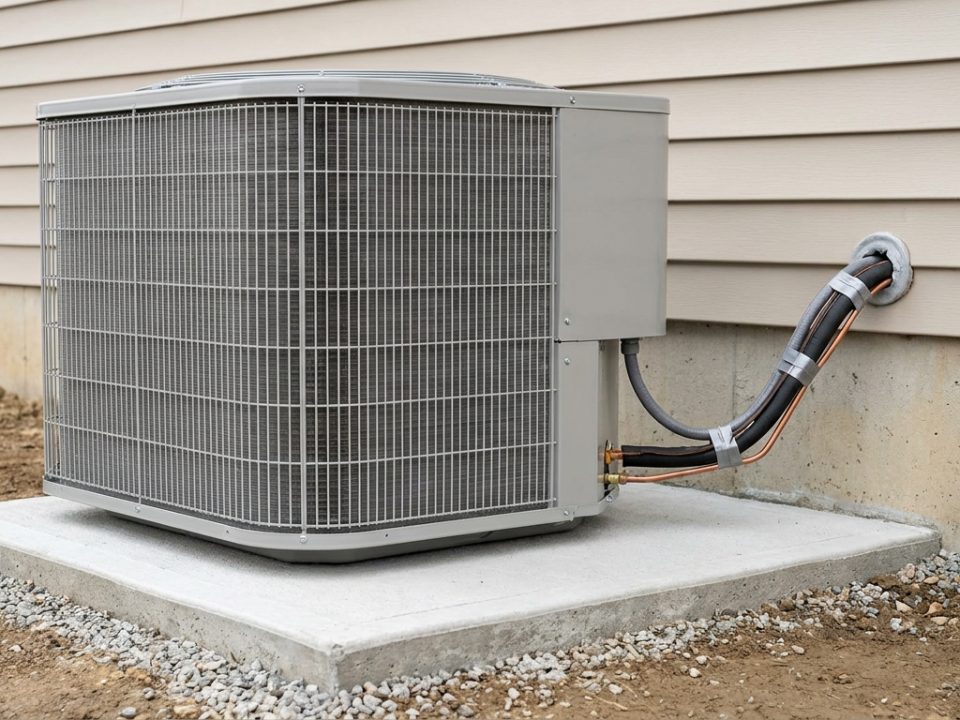
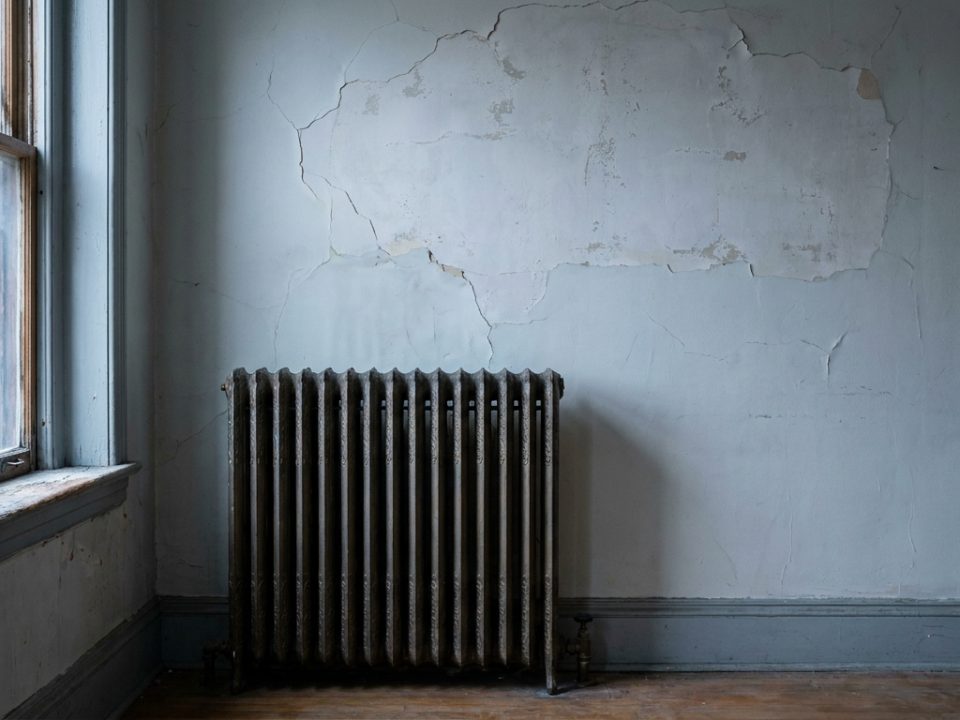
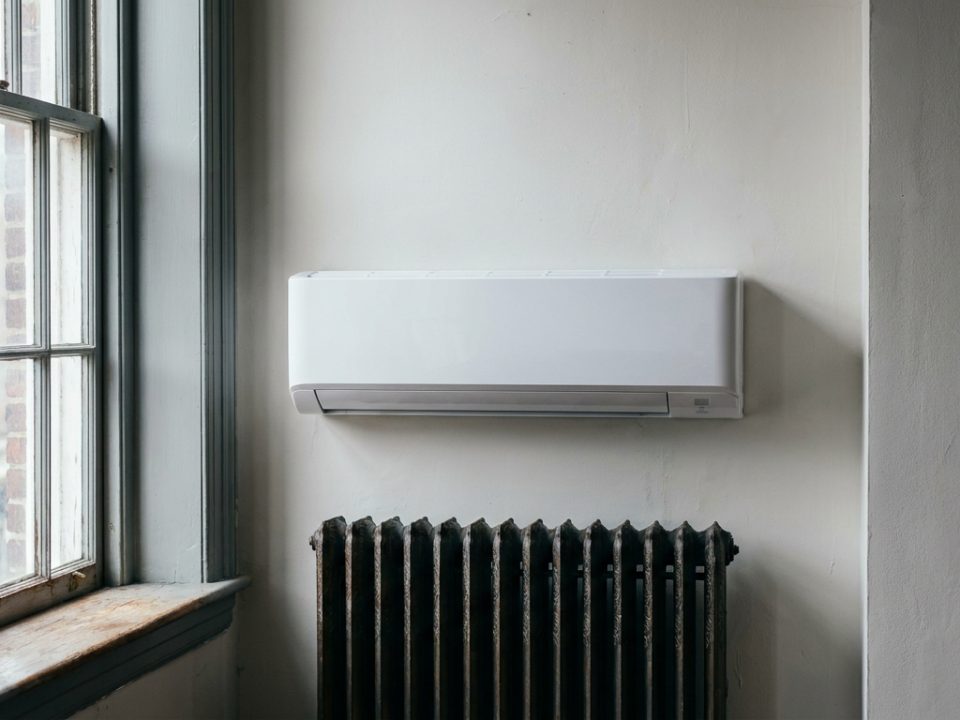
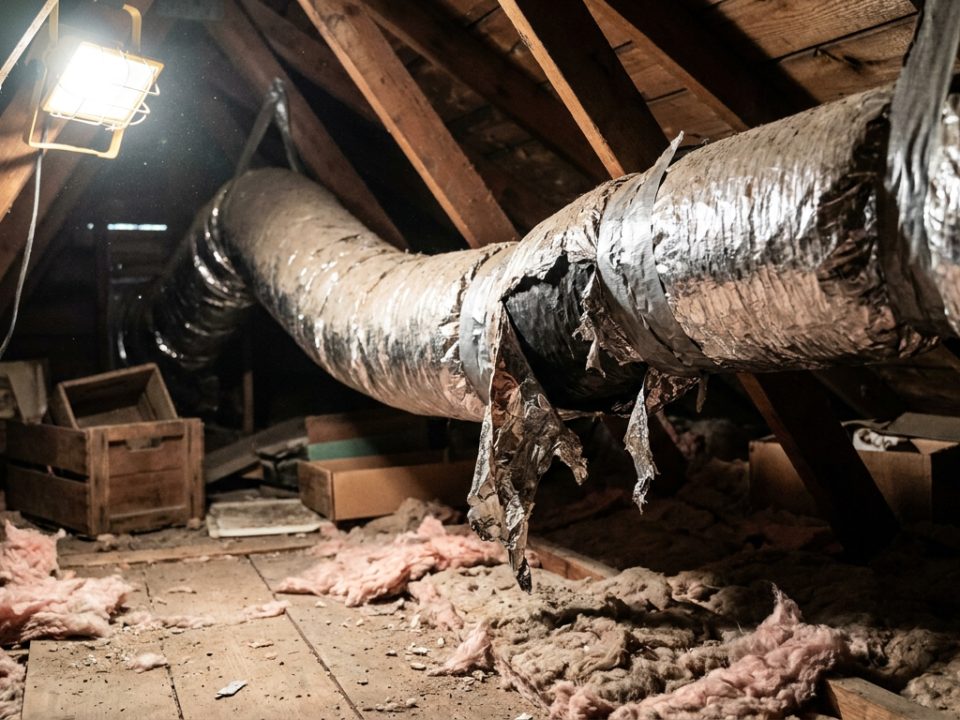
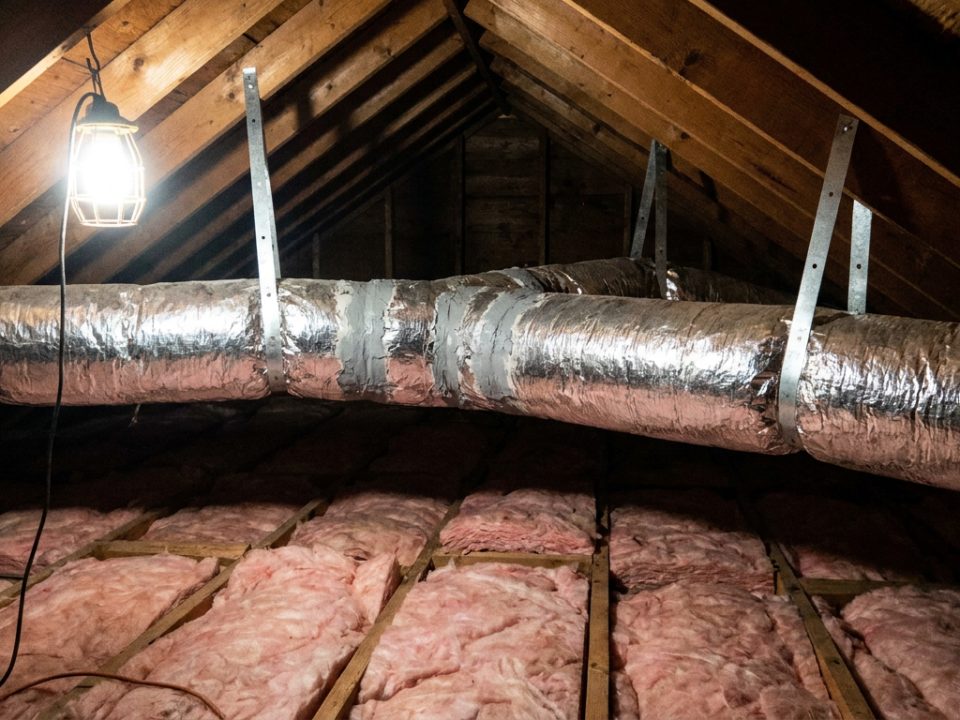
Illustrative examples of the work described here. More in our disclaimer.
Stop reading and leave the building if any of these are true
Three situations are not service calls at all, and treating them as one is how people get hurt. A carbon monoxide alarm sounding. A smell of gas — rotten eggs, because the mercaptan added to natural gas smells deliberately unpleasant. Soot or scorching around a furnace, boiler or water heater.
What to actually do
Leave. Do not switch anything on or off, including light switches, and do not use the phone indoors — call from outside. Dial 911, or your gas utility's emergency line. In New Jersey that is PSE&G, New Jersey Natural Gas, South Jersey Gas or Elizabethtown Gas depending on where you are. All four run 24-hour emergency response and none of them charge to come out and make a suspected leak safe.
Why the alarm matters even if it stops
Carbon monoxide alarms are required by law in New Jersey homes, and they do not sound without a reason. An alarm that stops has not resolved anything — it means the concentration dropped below the trigger, often because a door opened. The appliance still needs testing before it is run again. Headache, nausea and dizziness that improve when you leave the house and return when you come back is the pattern to take seriously.
What is genuinely urgent, and what can wait until morning
After-hours rates are real money, and a great many faults cost significantly less if they are looked at on a weekday morning. It is worth being able to tell the difference.
Urgent: no heat at or below freezing
This is about pipes rather than comfort. An unheated house in New Jersey's January can start freezing pipes within hours, and a burst pipe costs far more than any after-hours call-out. It is more urgent again in an unoccupied or partly occupied house, and in the older north of the state where plumbing frequently runs through uninsulated exterior walls.
Urgent: no cooling in a heat wave, where someone is vulnerable
Heat is the deadliest weather in the United States, and the risk is concentrated in the elderly, infants, and anyone with a cardiac or respiratory condition. If that describes someone in the house during a stretch above 90 degrees, treat it as urgent. A fit adult in a house that has dropped to 80 degrees is uncomfortable rather than in danger, and can wait for a weekday rate.
Usually waits: almost everything else
A noisy blower, uneven heat, a system that cools but not well, water pooling under an indoor unit once you have switched it off, a thermostat behaving strangely. These are real faults that need attention, and attention on Tuesday morning costs less than attention on Saturday night. The exception is water actively running somewhere it will do damage.
Check these three things before you call anyone
A meaningful share of emergency call-outs end with a technician doing something the homeowner could have done, and being charged an after-hours rate for it. Two minutes here is worth the check.
The filter
A blocked filter restricts airflow, and restricted airflow trips the limit switch on a furnace and freezes the coil on an air conditioner. Both present as "it runs but does not work". If the filter is gray and you cannot see light through it, change it, give the system an hour, and see what happens.
The switches and the breaker
Most furnaces and boilers have a service switch that looks exactly like a light switch, usually at the top of the basement stairs or beside the unit. They get turned off by accident more often than anyone admits. Check that, then check the breaker — and if a breaker has tripped, reset it once. If it trips again, stop and call: something is drawing current it should not, and repeatedly resetting it is how an electrical fault becomes a fire.
The thermostat
Set to HEAT or COOL rather than AUTO, fan on AUTO rather than ON, and the setpoint genuinely above or below the room temperature. Battery-powered thermostats fail with flat batteries and a blank screen, and a smart thermostat that lost its schedule will sit at a setback temperature indefinitely.
What to do while you wait
Whether the wait is two hours or until morning, there are things worth doing.
No heat, freezing outside
Open the cabinet doors under sinks on exterior walls so warm air reaches the pipes. Run a thin trickle from the furthest faucet — moving water is far harder to freeze. Close off rooms you are not using and concentrate on one or two. If you are using space heaters, one per circuit, never on an extension lead, and never left running in a room where someone is asleep. Do not use a gas oven for heat.
No cooling, heat wave
Close blinds on the sun side, and open the house up only once the outside temperature drops below the inside. Move to the lowest floor. Drink more than you think you need. If anyone is vulnerable and the house is not coming down overnight, New Jersey counties open cooling centers during heat emergencies — that is a better answer than waiting it out.
What after-hours actually costs, and what to ask
The premium is for the hour rather than the work. Expect a higher call-out fee and a higher hourly rate outside standard hours, with holidays higher again. The part itself costs the same at midnight as at noon.
Ask the rate before anyone is dispatched
It is a fair question and any established firm will answer it on the phone. A company that will not state its after-hours rate until a technician is standing in your basement is telling you something. Ask whether the call-out is credited against the repair if you go ahead — many do, some do not, and it is worth knowing which.
Do not agree to a replacement at midnight
A system that has failed at 2am is a system that needs to get you through the night. Replacement is a decision worth making in daylight, with a load calculation and more than one quote, and nobody should be signing for a new furnace while their house is at 48 degrees. Ask what it takes to get through tonight, and decide the rest tomorrow.
Emergency HVAC Repair — frequently asked questions
Is 24-hour emergency HVAC service available in New Jersey?
Yes, and it is worth understanding what that means. Requests through this site are handled whenever they arrive and we reply the same day. Whether a technician can physically attend at 3am depends on the contractor and the night — during the first hard freeze or the first heat wave, every company in the state is already committed. Any firm promising guaranteed immediate attendance on those two nights specifically is promising something nobody can hold to.
Is no heat an emergency?
Below freezing, yes — because of pipes rather than comfort, and the risk arrives within hours. Above freezing it is urgent but not usually an emergency, and waiting for a weekday rate is a reasonable decision. The exception is a house with someone elderly, very young or unwell in it, where losing heat matters at a much milder temperature.
Is weekend or holiday repair more expensive?
Usually, and the premium is for the hour rather than the work. Expect a higher call-out fee and hourly rate outside standard hours, with holidays higher again. Ask for the figure on the phone before anyone is dispatched.
My carbon monoxide alarm went off but stopped. Is it safe?
No. An alarm that stops has not resolved anything — the concentration fell below the trigger, often because a door opened. Leave the building, call the fire department or your gas utility from outside, and do not run the appliance again until it has been tested. New Jersey requires CO alarms in homes for exactly this reason.
Is a burning smell from the heating an emergency?
It depends on the smell and when. Dust burning off the heat exchanger in the first hour of the season smells like scorched dust and clears within an hour — that is normal. An electrical or acrid plastic smell at any time is not: shut the system down at the breaker and have it looked at before running it again. A smell of gas, or soot around the appliance, means leave and call from outside.
Should I replace the system during an emergency call?
Almost never on the night. Get through the night, then decide properly in daylight with a load calculation and more than one quote. The exception is a cracked heat exchanger, which condemns a furnace outright — but even then the decision is which replacement, not whether to sign immediately.
Is a leaking boiler an emergency?
A steady leak is urgent rather than immediately dangerous. Shut the boiler off and close the isolation valves if you can find them. It becomes a genuine emergency in freezing weather, when losing the heating also puts the pipes at risk, and if the leak is at the relief valve — that means the system is over-pressurising rather than simply weeping.
Who provides same-day HVAC repair near me in New Jersey?
We reply the same day and put you in touch with a licensed contractor covering your area. Whether a technician attends the same day depends on the contractor and the week — during the first heat wave or the first hard freeze, availability across the whole state collapses. Calling early in the day materially improves the odds.
Emergency HVAC Repair near you
We cover cities and towns across New Jersey.