224 cities and towns covered
AC Repair in New Jersey
Air conditioning fails on the hottest day of the year, and that is not coincidence — a marginal system copes until the load peaks and then does not. Most failures come down to four causes, and three of them are inexpensive if they are caught before the compressor takes the strain.
Leave the building and call from outside — that is an emergency services call, not a service call. A yellow burner flame or headaches that clear when you leave the house point the same way. For no heat in freezing weather, call rather than read on: the risk there is frozen pipes rather than comfort, and it arrives within hours.
Call about AC repair
(949) 703-2282Free to use, and there is nothing to pay us. You are never committed to going ahead.
What happens when you call
- You describe the problem and where you are.
- We put you in touch with a licensed contractor covering that area.
- They arrange the visit and agree the price with you directly.
Worth having to hand
- Roughly how old the system is
- What it is doing — or not doing
- Your ZIP code
What to ask for on AC Repair
- Same-day reply through the summer peak
- A leak should be found before refrigerant is added, not after
- Ask for the diagnosis in writing before authorizing work
- Near the shore, corrosion is the usual culprit
- Licensed & insured We match you with contractors who hold current licensing and cover.
- Know what to ask Every page says what decides the price, so you can judge a quote.
- Free to use We never charge you. Compare quotes and walk away at any point.
- Same-day reply Inquiries answered the day they arrive, usually within a couple of hours.
How it works
Three steps, no obligation at any of them.
-
1
Call and tell us what is wrong
Describe the problem and give us your ZIP code. We match you with a licensed HVAC contractor covering your area — there is nothing to fill in and nothing to pay us.
-
2
A local contractor gets in touch
A licensed HVAC professional contacts you to discuss the problem and arrange a visit. What they charge to attend or diagnose is theirs to set, so agree it with them up front.
-
3
You decide
Book the work, wait a season, or get a second quote. There is no obligation to go ahead with the contractor we introduce you to, and nothing to pay us either way.
What these repairs look like
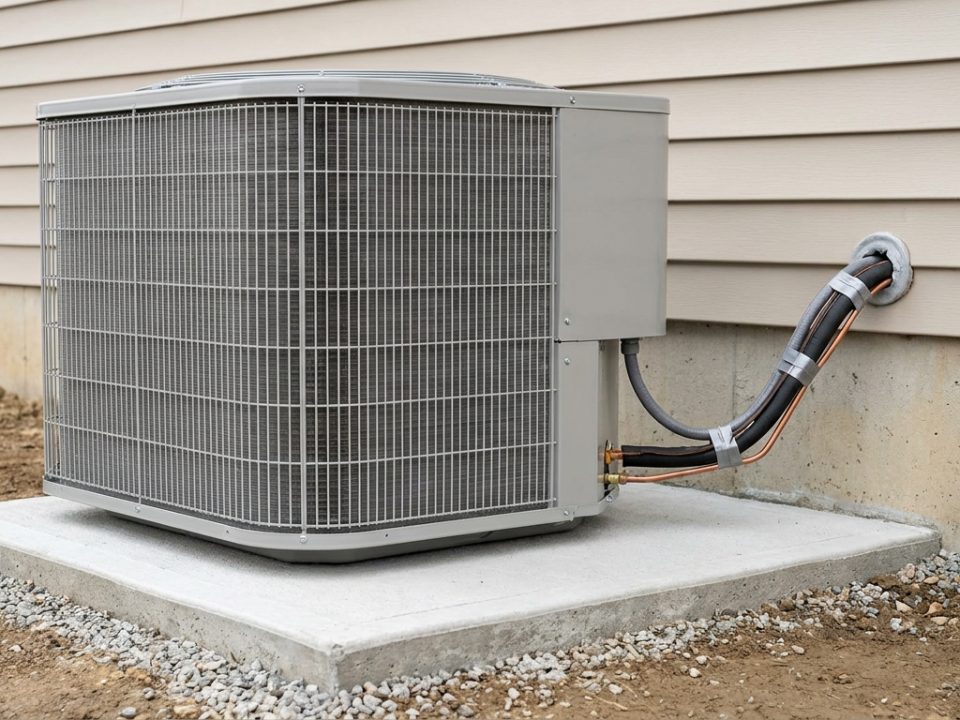
Illustrative examples of the work described here. More in our disclaimer.
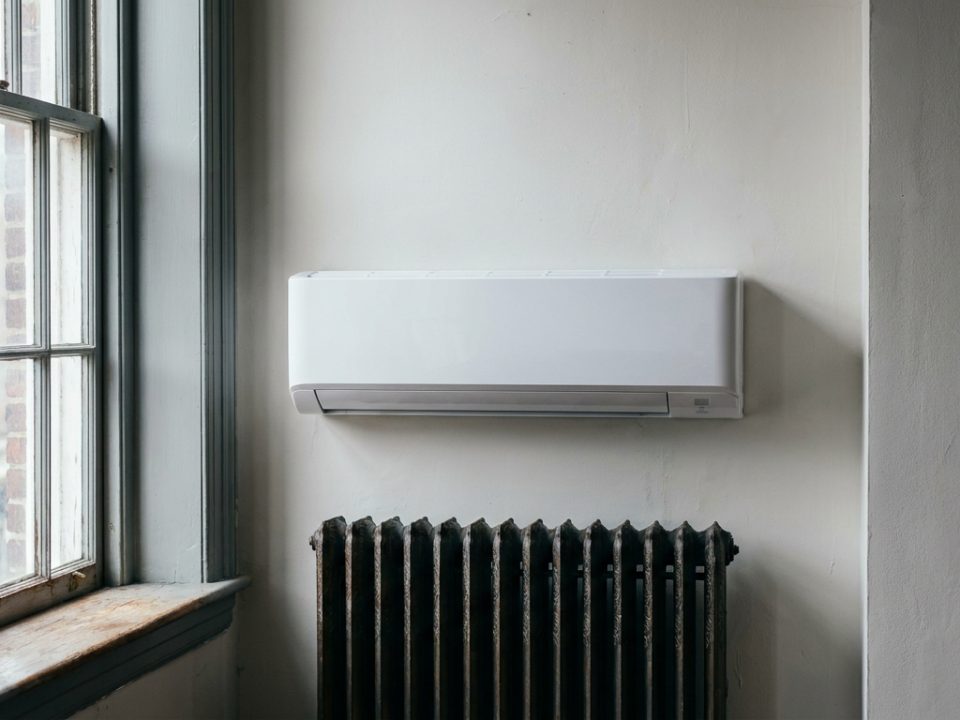
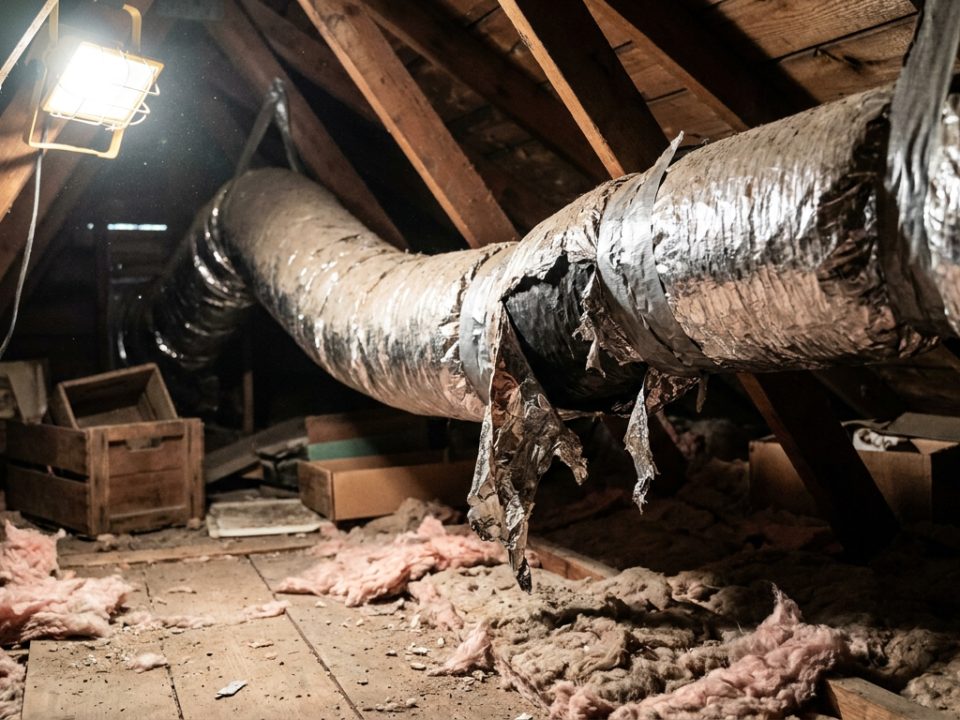
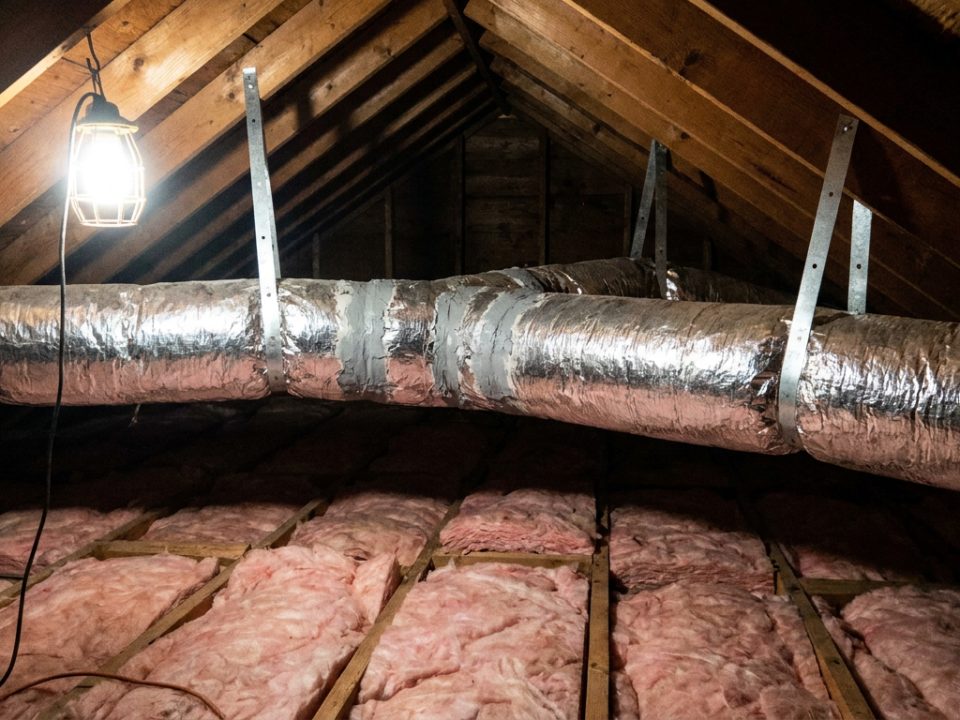
Why is my air conditioner running but not cooling?
The system is doing half its job: the indoor blower is moving air, but heat is not being moved out of the house. Four causes account for most of it, and it is worth knowing which are cheap.
A blocked filter, which is free to fix
Restricted airflow across the evaporator coil drops the coil temperature until it freezes, and a frozen coil moves no heat at all. The symptom is a system that ran fine for an hour and then stopped cooling, sometimes with ice visible on the copper line at the indoor unit. Change the filter, switch the system to FAN ONLY for two hours to thaw it, then try again. A surprising share of "broken" air conditioners are this.
A dirty condenser coil
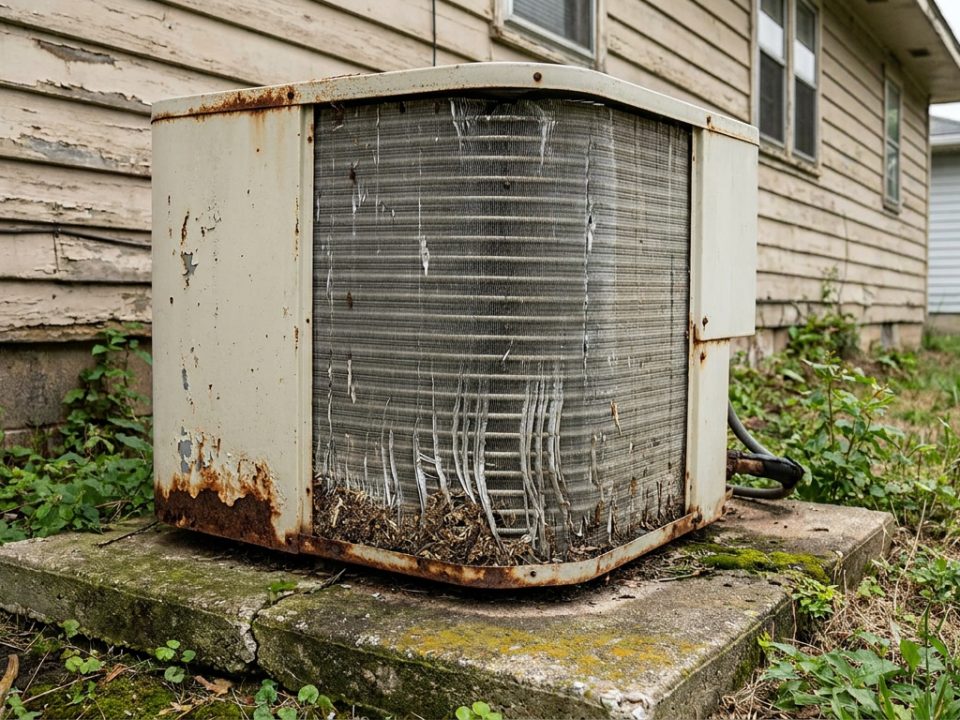
The outdoor unit rejects the heat, and it cannot do that through a coil packed with cottonwood seed, grass clippings and dust. Late June in New Jersey is peak cottonwood, and it mats onto a coil like felt. The system runs constantly, the house never quite reaches setpoint, and the electricity bill climbs. Switch the power off at the disconnect and rinse the coil from the inside outward with a garden hose — not a pressure washer, which folds the fins flat.
A failed capacitor or contactor
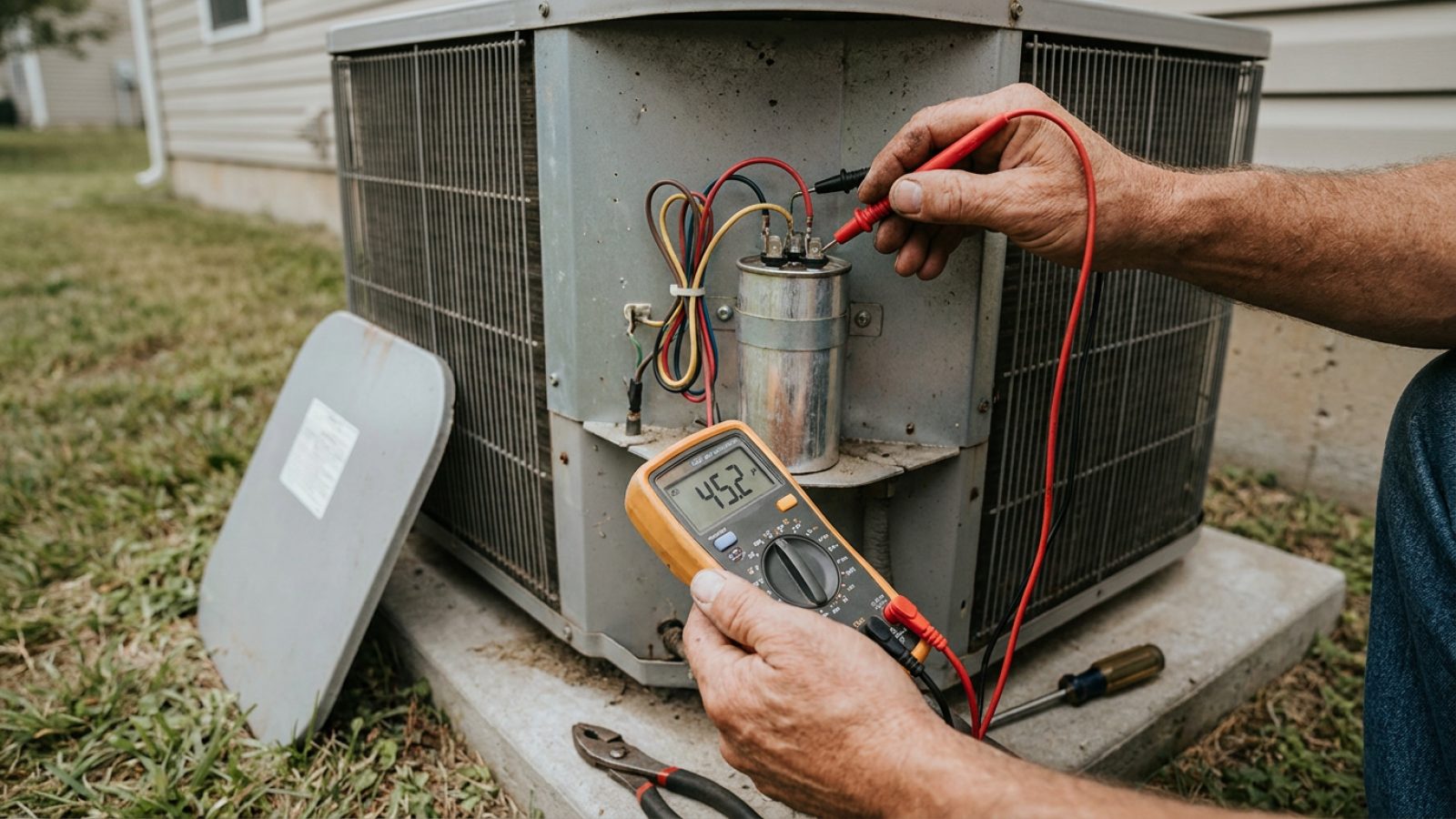
These are the cheap electrical parts that start and switch the compressor and fan. A failed run capacitor is the single most common genuine repair on a residential air conditioner. The tell is a humming outdoor unit whose fan is not turning, or a system that trips the breaker on start. Both parts are inexpensive and quick.
Low refrigerant, which means a leak
This is the one to understand properly. Refrigerant is not consumed — it circulates in a sealed system. A system that is low has a leak, and topping it up without finding that leak is buying the same repair again next summer, at the same price, plus the refrigerant. Anyone who adds refrigerant without proposing a leak search is selling you a temporary result.
Why New Jersey shore equipment fails early
This is the part that does not apply inland. Salt-laden air corrodes an outdoor condenser from the outside in, and the aluminum fins and copper tubing of the coil go first. A system in Ocean City or Long Branch routinely reaches end of life at eight to twelve years where the identical unit in Bridgewater runs past fifteen.
It presents as a refrigerant leak, because it is one
Corrosion eats through the thin aluminum at the fin-to-tube joint and the charge escapes. The homeowner experiences a system that gradually cools less well over a season, then stops. A technician finds it low on charge. The underlying cause is the air, and adding refrigerant to a corroded coil is money into a coil that will leak again within months.
What actually helps
Rinsing the coil with fresh water several times through the season genuinely extends its life, and it is the single most effective thing a shore homeowner can do. At replacement, specify a coated or corrosion-resistant coil — the uplift is small against the cost of replacing the system years early. What does not help is a fitted cover left on through the season, which traps moisture against the fins and accelerates exactly what it is meant to prevent.
Repair or replace?
The rough test is age against the cost of the repair, with two findings that settle it on their own.
Under about ten years
Repair almost always wins. The equipment has most of its life left and the repair is a fraction of replacement. The exception is a compressor failure, which on any system is expensive enough to reopen the question.
Past fifteen, or still running R-22
R-22 was phased out of production and import in the United States at the start of 2020. Systems using it still run legally on reclaimed stock, but that stock is finite and priced accordingly — a significant leak repair on an R-22 system frequently costs more than the system is worth. Check the data plate on the outdoor unit. If it says R-22 and the system is low on charge, replacement is usually the honest answer.
A cracked or corroded evaporator coil
On an older system this is close to a replacement decision by itself, because the coil is a substantial part of the cost and fitting a new one to ageing equipment rarely makes sense. Get it quoted both ways before deciding.
What else goes wrong
Beyond the four main causes, a handful of faults come up often enough to name.
Water where it should not be
Cooling produces condensate and it has to drain. A blocked drain line fills the pan until it overflows; most systems have a float switch that shuts the unit down first, so a system that has simply stopped in humid weather is often reporting this. It is a quick fix and a genuinely common one in New Jersey's humid summers.
Tripping the breaker
Never keep resetting it. A breaker trips because something is drawing more current than the circuit allows — a failing compressor, a shorted fan motor, or a failed capacitor making a motor work far harder than it should. All of those need a meter.
Cold but clammy
If the house hits temperature quickly and still feels damp, the system is very likely oversized. It satisfies the thermostat before it has run long enough to remove humidity. That is a sizing problem rather than a fault, and turning the thermostat down makes it worse.
AC Repair — frequently asked questions
Why is my AC blowing warm air?
First check the thermostat is on COOL and the fan on AUTO rather than ON — with the fan on ON the blower runs between cooling cycles and moves room-temperature air, which is a setting rather than a fault. If that is right, warm air usually means the outdoor unit is not running: a tripped breaker, a failed capacitor or contactor, or a safety cutting it out. Go and listen to the outdoor unit.
Why is water leaking from my air conditioner?
Cooling produces condensate and it has to drain. The usual cause is a blocked drain line, which fills the pan until it overflows. The other is a coil that froze and is now thawing faster than the pan can take, which traces back to a dirty filter or low refrigerant. Water at the outdoor unit in cooling weather is normal.
Can I add refrigerant myself?
No, and not only because it rarely helps. Handling refrigerant requires EPA Section 608 certification, which is federal law. More practically: a system low on charge has a leak, and adding refrigerant without finding it wastes the refrigerant and leaves the fault. Overcharging is its own expensive problem.
Is a refrigerant leak dangerous?
The health risk from a typical residential leak is low — these refrigerants are not acutely toxic at the concentrations a domestic system holds. The reasons to take it seriously are different: running low on charge destroys the compressor, the refrigerant is a potent greenhouse gas, and it is illegal to knowingly vent it.
Why does my AC freeze up in hot weather?
Counter-intuitive but common. Freezing needs either restricted airflow or low refrigerant, and hot weather makes the system run longer, which gives a marginal fault time to ice up. Change the filter, run the fan to thaw it, and if it recurs the charge needs checking.
How can I cut running costs through a New Jersey summer?
In order of what actually moves the bill: change the filter on schedule, clear two feet around the outdoor unit and rinse the coil each spring, close blinds on the sun side, and raise the setpoint a couple of degrees while letting a ceiling fan do the rest. If your ducts run through an unconditioned attic, sealing them returns more than any thermostat habit will.
How much does AC repair cost in New Jersey?
It depends entirely on which part failed, and the spread is wide. Capacitors, contactors, thermostats and blocked condensate drains are the inexpensive end and usually done in one visit. Compressors, control boards and refrigerant leak repairs are the expensive end, and on an older system are worth weighing against replacement. Ask for the diagnosis before the price, and for repair and replacement quoted side by side if the system is past fifteen.
Why is my AC making a buzzing or rattling noise?
Buzzing from the outdoor unit is usually electrical — a failing contactor chattering, or a capacitor on its way out. Rattling is usually mechanical: a loose panel, debris in the fan guard, or a fan blade out of balance. Grinding or screeching from the compressor is the serious one. Switch it off at the disconnect and have anything metallic-sounding looked at before running it again.
Can a technician repair a leaking AC coil?
Sometimes, and often it is not worth it. A single accessible pinhole can be repaired, but corrosion that has perforated a coil in one place has usually weakened it in others — particularly near the shore, where salt attacks the whole surface at once. On an older system a coil is a substantial share of the replacement cost, so get both options priced.
How quickly can someone attend during a New Jersey heat wave?
Honestly: slower than any other week of the year. The first sustained stretch above 90 degrees generates more calls in a few days than the preceding month, and every company in the state is committed. We reply the same day. Whether a technician can attend that day depends on the contractor and the week — anyone guaranteeing same-day attendance during a heat wave specifically is promising what nobody can hold to.
What should I check before calling an AC repair company?
Four things, and they solve a surprising share of calls. The filter — if you cannot see light through it, change it. The thermostat, set to COOL with the fan on AUTO. The breaker and the outdoor disconnect. And the outdoor unit itself: if it is packed with cottonwood or grass clippings, rinse it. Two minutes here can save an after-hours call-out.
AC Repair near you
We cover cities and towns across New Jersey.
AC Repair guides
Everything we have written on this job — costs, timing, and how to tell what you are actually looking at.