224 cities and towns covered
Ductwork Repair and Sealing in New Jersey
Air lost from supply runs in an unconditioned attic is air you paid to condition, and leaks on the return side pull dust and unconditioned air into the house. Sealing existing ducts is frequently better value than upgrading the equipment they feed.
Leave the building and call from outside — that is an emergency services call, not a service call. A yellow burner flame or headaches that clear when you leave the house point the same way. For no heat in freezing weather, call rather than read on: the risk there is frozen pipes rather than comfort, and it arrives within hours.
Call about ductwork
(949) 703-2282Free to use, and there is nothing to pay us. You are never committed to going ahead.
What happens when you call
- You describe the problem and where you are.
- We put you in touch with a licensed contractor covering that area.
- They arrange the visit and agree the price with you directly.
Worth having to hand
- Roughly how old the system is
- What it is doing — or not doing
- Your ZIP code
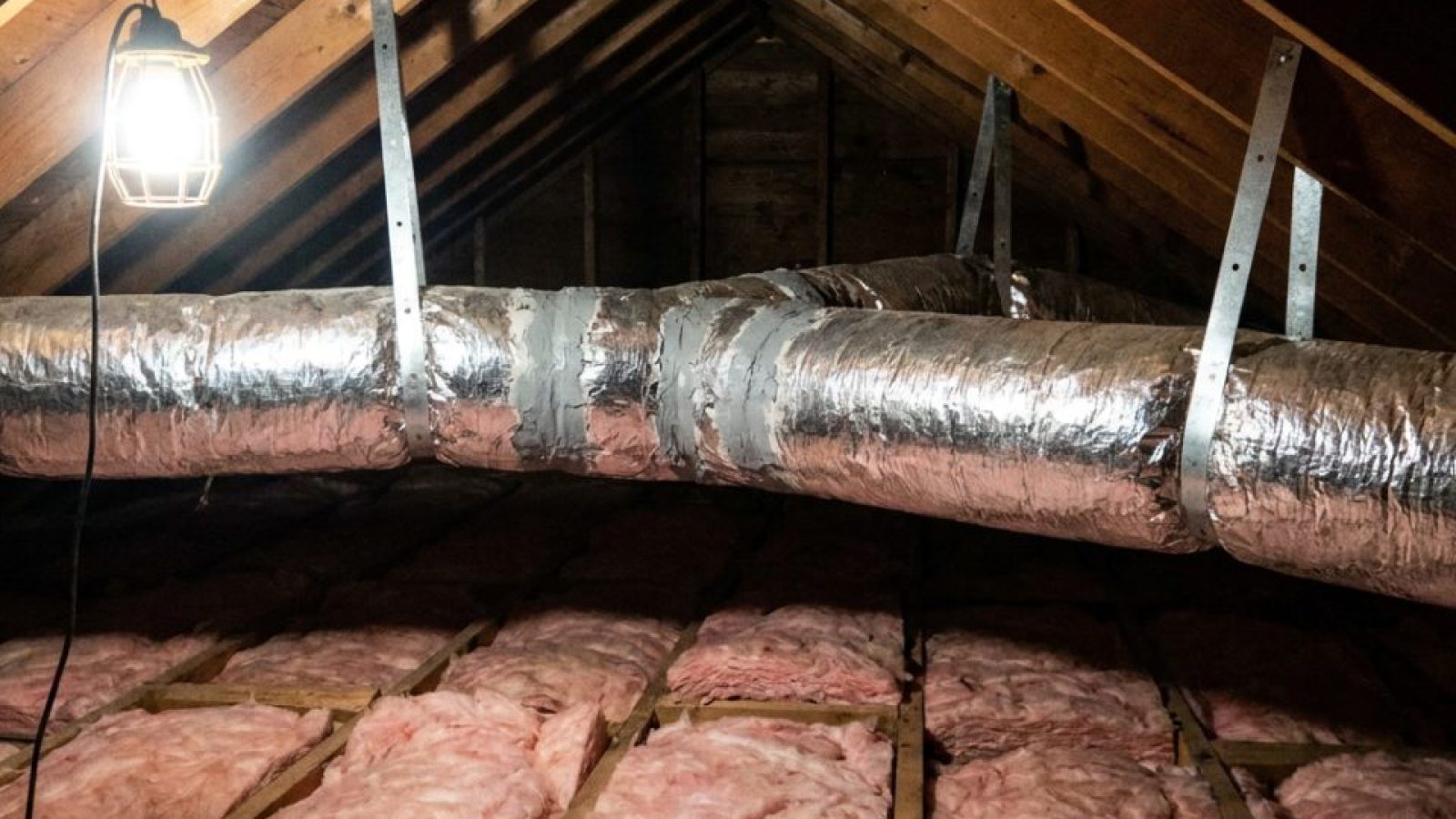
What to ask for on Ductwork Repair and Sealing
- One room that never matches is usually distribution, not capacity
- Return-side leaks are why the dust keeps coming back
- Ask for repair quoted against replacement so you can compare
- Sealing often beats a higher efficiency rating for the same money
- Licensed & insured We match you with contractors who hold current licensing and cover.
- Know what to ask Every page says what decides the price, so you can judge a quote.
- Free to use We never charge you. Compare quotes and walk away at any point.
- Same-day reply Inquiries answered the day they arrive, usually within a couple of hours.
How it works
Three steps, no obligation at any of them.
-
1
Call and tell us what is wrong
Describe the problem and give us your ZIP code. We match you with a licensed HVAC contractor covering your area — there is nothing to fill in and nothing to pay us.
-
2
A local contractor gets in touch
A licensed HVAC professional contacts you to discuss the problem and arrange a visit. What they charge to attend or diagnose is theirs to set, so agree it with them up front.
-
3
You decide
Book the work, wait a season, or get a second quote. There is no obligation to go ahead with the contractor we introduce you to, and nothing to pay us either way.
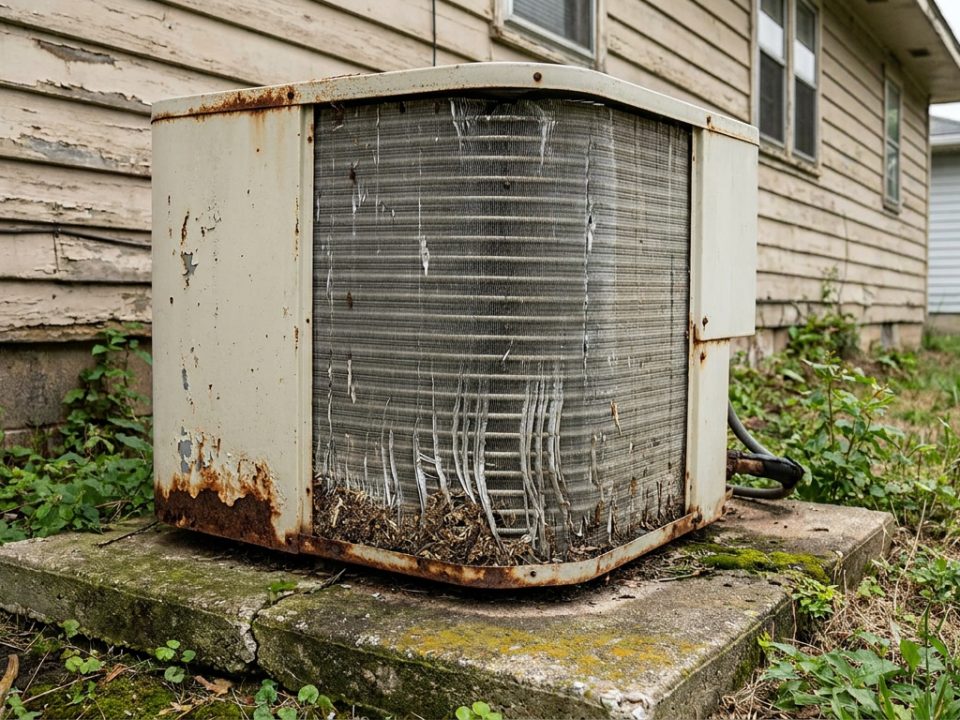
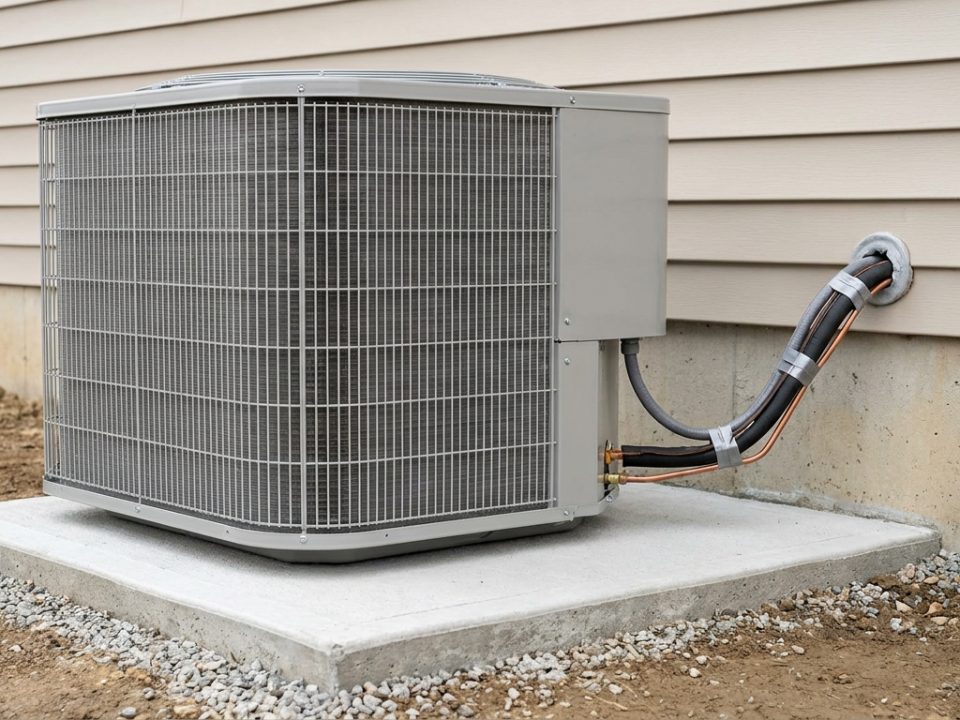
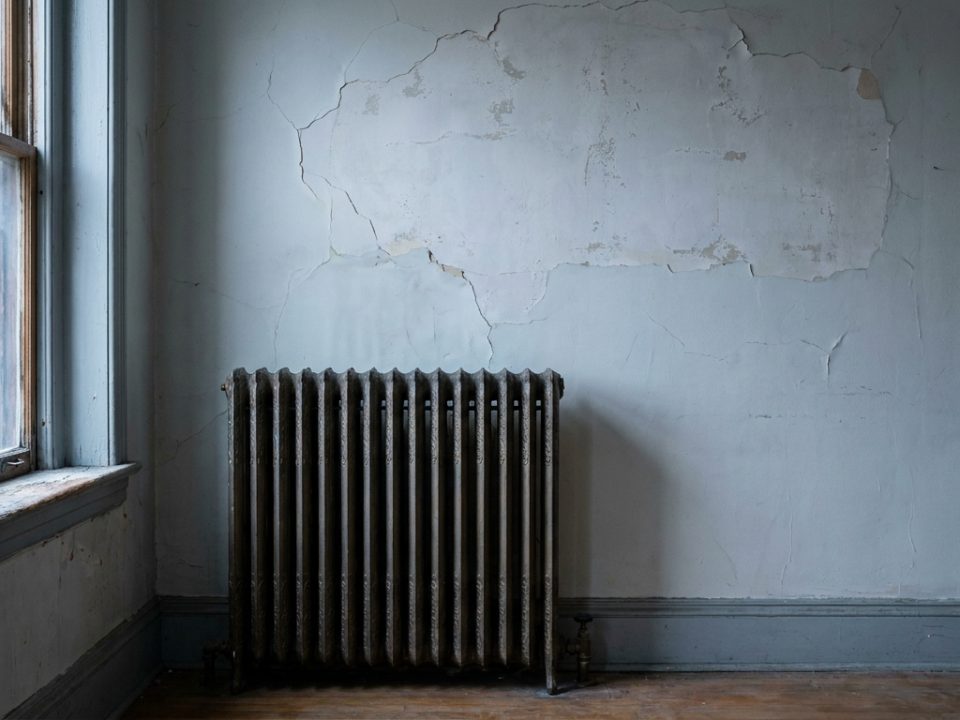
What these repairs look like
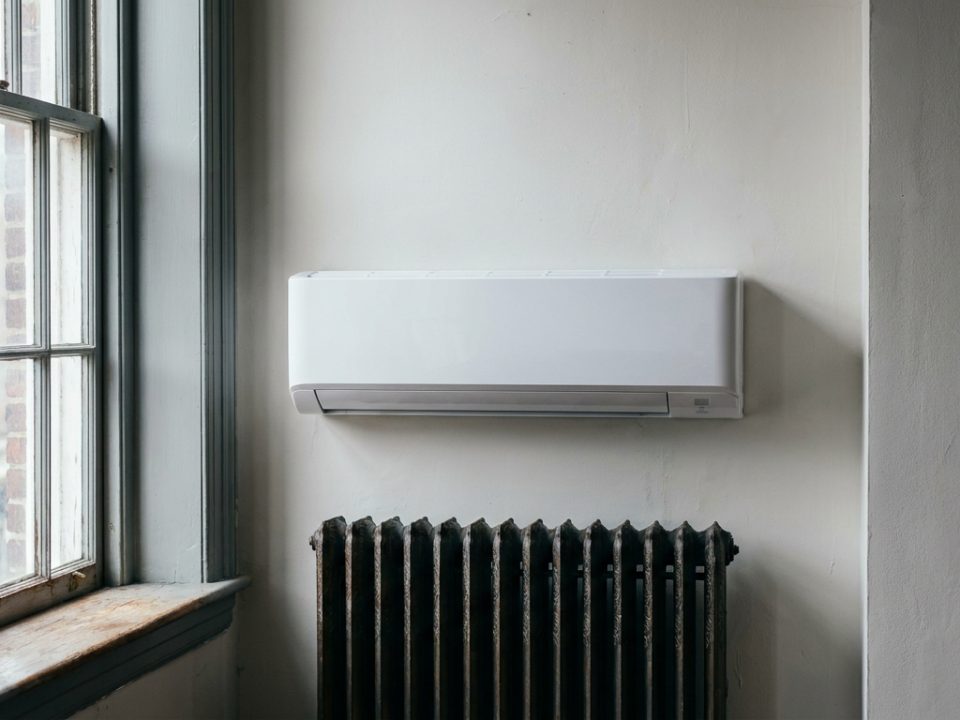
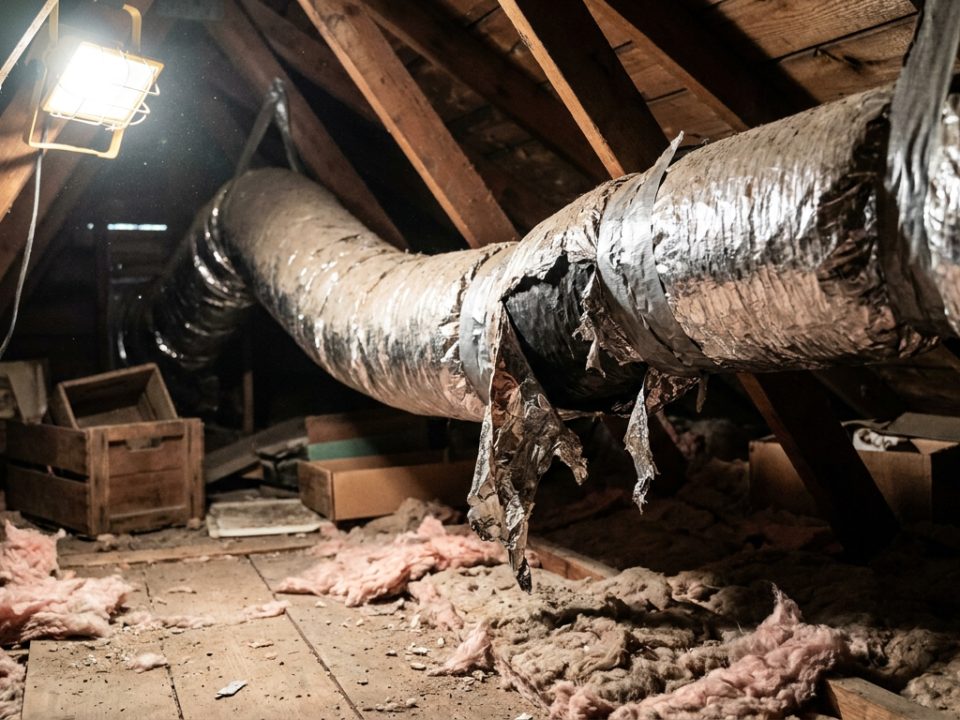
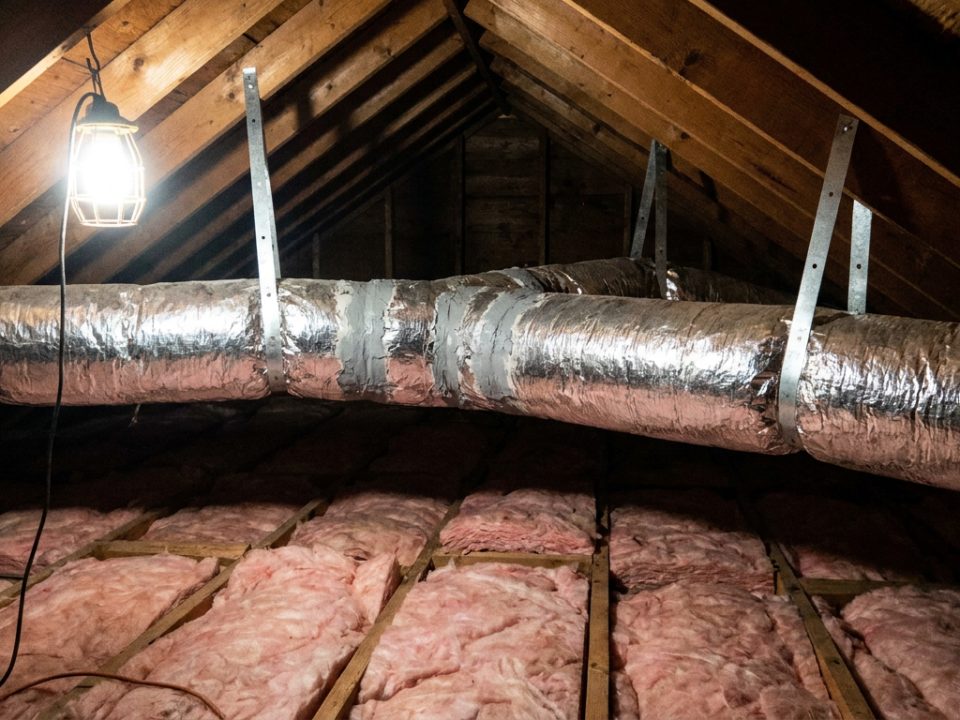
Illustrative examples of the work described here. More in our disclaimer.
How to tell it is the ducts and not the furnace
Three symptoms point at distribution rather than equipment, and all three are commonly misdiagnosed as a system too small for the house.
One or two rooms that never match
If the rest of the house is comfortable and the back bedroom is not, capacity is fine — the air is not getting there. Long runs, crushed flex duct, a damper closed years ago and forgotten, or a run added during a conversion that the trunk was never sized for.
High bills with equipment that tests healthy
A system in good order that runs constantly and costs a lot is usually losing conditioned air before it reaches the rooms. In a New Jersey house with ducts through an unconditioned attic, that loss can be substantial.
Dust that returns within days of cleaning
This one is nearly diagnostic. Leaks on the return side put the ductwork under negative pressure and draw air out of the attic, crawl space or wall cavities — along with everything in it. Cleaning the house does not help because the source is structural.
What repair actually involves
Less dramatic than it sounds, and usually a day or two.
Sealing joints properly
Mastic — a brushed-on compound — at every joint, boot and plenum connection. Cloth duct tape, despite the name, dries out and releases within a few years, and finding it hanging off a joint in an attic is routine. Foil tape is acceptable; mastic is better.
Insulating what runs through unconditioned space
A duct crossing a 130-degree attic in July, or a 20-degree crawl space in January, is losing energy through its walls even where it does not leak. Insulating those runs is cheap and immediately effective.
Fixing the flex duct problems
Flexible duct is fine installed properly and terrible installed badly. Sags, sharp bends and compression where it passes a joist all restrict airflow substantially. Supporting and straightening runs is unglamorous work that frequently solves the complaint on its own.
Balancing
Adjusting dampers so each branch gets its intended share. Free, if the dampers exist and someone takes the time.
Repair or replace the ductwork?
Replacement is occasionally right but it is proposed more often than it is warranted.
Repair, usually
Sealing, insulating and rehanging existing ducts addresses most complaints at a fraction of replacement cost, and it is far less disruptive.
Replace where the design is wrong
If the system was extended room by room over decades into additions and finished attics, the trunk may simply be too small for what now hangs off it. No amount of sealing fixes an undersized main. That is a design problem and it needs redesigning.
Ask for both, quoted
A contractor proposing full replacement should be willing to price the repair alternative and explain why it will not do. If they will not, get a second opinion — this is an area where the gap between the two options is large.
Ductwork Repair and Sealing — frequently asked questions
How do I know if my ducts are leaking?
Dust returning quickly after cleaning, rooms that never match, and running costs out of step with equipment that tests fine. A contractor can measure it properly with a duct blaster, which puts a number on the loss rather than guessing.
Is duct sealing worth the money?
In a house with ducts through an unconditioned attic or crawl space, usually yes — and frequently more so than spending the same money on higher-efficiency equipment, because there is no point making conditioned air more efficiently and then losing it.
Can I seal ducts myself?
The accessible joints in a basement, yes, with mastic and a brush. What you cannot do is find leaks you cannot see or reach, which is where most of the loss is. Do not use cloth duct tape.
Why is my upstairs always hotter than downstairs?
Partly physics — heat rises, and the upper floor takes the roof load. But it is worsened by duct runs that are longest to the top floor and by returns concentrated downstairs. Balancing, adding return capacity upstairs, or zoning are the usual answers.
Does duct sealing help with dust?
Return-side sealing does, markedly, because that is what stops the system drawing attic and crawl space air into the house. Supply-side sealing saves energy but does less for dust.
How much does ductwork replacement cost in New Jersey?
Considerably more than repair, which is why it should not be the first proposal. Sealing, insulating and rehanging existing ducts addresses most complaints at a fraction of the cost. Full replacement is genuinely warranted where the system was extended over decades into additions and the trunk is simply undersized — that is a design problem no amount of sealing fixes. Ask for both quoted.
Is duct sealing worth it in an older New Jersey home?
In a house with ducts running through an unconditioned attic, crawl space or garage, usually yes — and frequently more so than spending the same money on higher-efficiency equipment. There is little point conditioning air more efficiently and then losing a share of it before it reaches the rooms.
Can an HVAC company install zoned heating and cooling?
Yes. Zoning uses motorized dampers and multiple thermostats so areas of the house run independently, and it is the standard answer to an upstairs that never matches downstairs when the duct geometry cannot be fixed. It needs a system that can modulate or bypass properly — retrofitting zoning to a single-stage system needs care to avoid choking it.
How much does smart thermostat installation cost?
The thermostat is the larger part of it in most cases; fitting is usually straightforward. The complication in older New Jersey housing is the wiring — many smart thermostats need a common wire, and plenty of older installations do not have one running to the thermostat. That is the thing to establish before buying anything.
Why is my thermostat blank or not communicating with the system?
A blank screen is usually flat batteries or a lost common wire. A thermostat that is lit but not controlling anything often means a tripped safety has locked the equipment out — commonly a blocked condensate line on a high-efficiency furnace, or a float switch on the AC drain pan. Check the filter and the condensate drain before assuming the thermostat failed.
Ductwork Repair and Sealing near you
We cover cities and towns across New Jersey.
Ductwork Repair and Sealing guides
Everything we have written on this job — costs, timing, and how to tell what you are actually looking at.
Why Your Second Floor Will Not Cool in a New Jersey Summer
Upstairs hot while downstairs is fine? It is almost never a system too small. The five real causes, and whi…
Why Your New Jersey Heating Bill Jumped
A heating bill well above last year is rarely the thermostat. The causes worth checking, in order, and whic…
Smart Thermostats and Zoning in New Jersey Homes
What a smart thermostat can and cannot fix, the wiring problem in older New Jersey homes, and when zoning i…