224 cities and towns covered
Air Duct Cleaning in New Jersey
Worth being straight about, because this is the most oversold service in the trade. There are real cases where it makes a genuine difference, and there is a much larger business built on cleaning ducts that did not need it.
Leave the building and call from outside — that is an emergency services call, not a service call. A yellow burner flame or headaches that clear when you leave the house point the same way. For no heat in freezing weather, call rather than read on: the risk there is frozen pipes rather than comfort, and it arrives within hours.
Call about duct cleaning
(949) 703-2282Free to use, and there is nothing to pay us. You are never committed to going ahead.
What happens when you call
- You describe the problem and where you are.
- We put you in touch with a licensed contractor covering that area.
- They arrange the visit and agree the price with you directly.
Worth having to hand
- Roughly how old the system is
- What it is doing — or not doing
- Your ZIP code
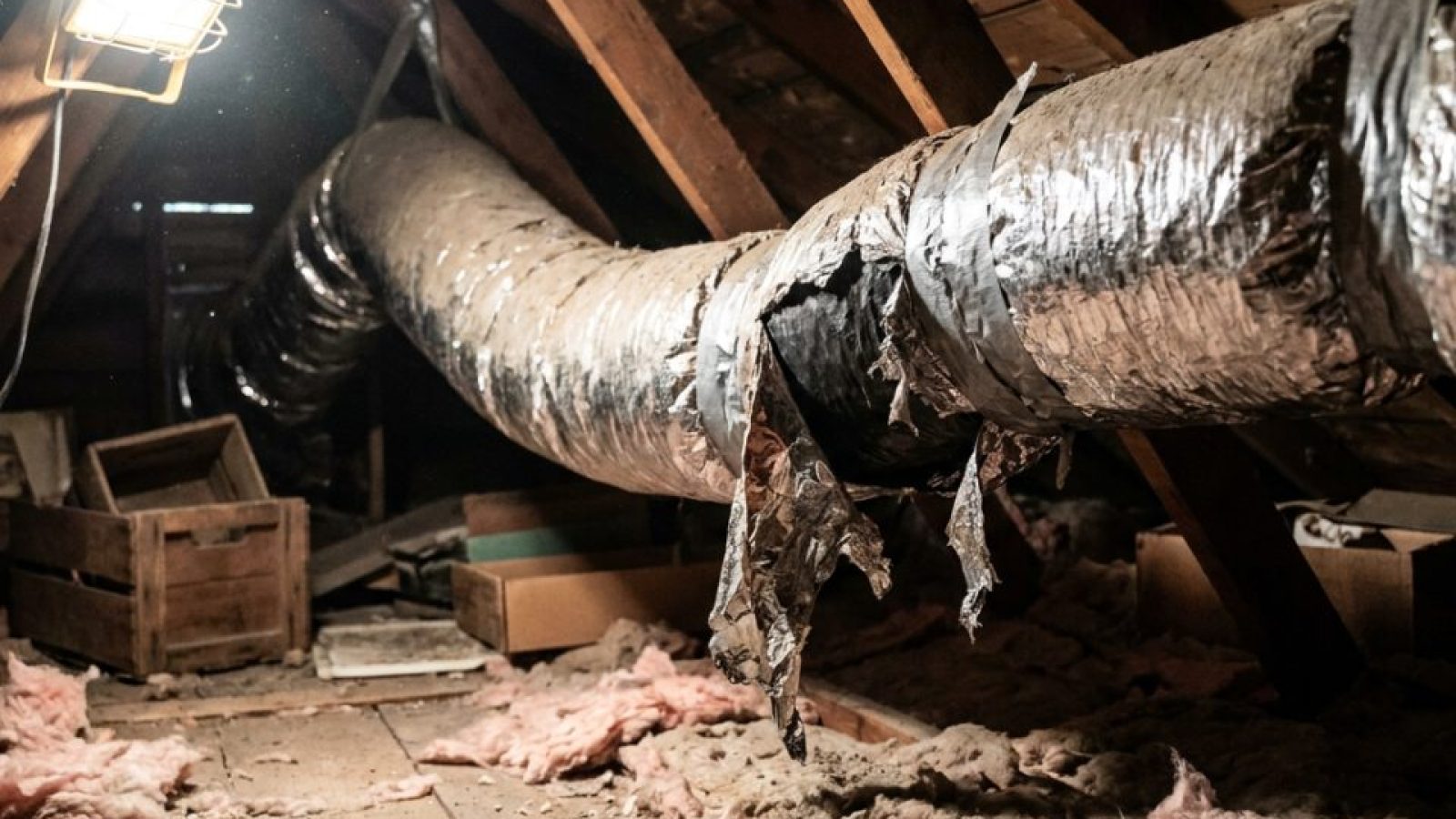
What to ask for on Air Duct Cleaning
- Genuinely warranted after renovation, vermin or visible contamination
- Not supported as routine annual maintenance on a clean system
- A very low advertised price is the warning sign, not the bargain
- Sealing leaky ducts usually does more than cleaning them
- Licensed & insured We match you with contractors who hold current licensing and cover.
- Know what to ask Every page says what decides the price, so you can judge a quote.
- Free to use We never charge you. Compare quotes and walk away at any point.
- Same-day reply Inquiries answered the day they arrive, usually within a couple of hours.
How it works
Three steps, no obligation at any of them.
-
1
Call and tell us what is wrong
Describe the problem and give us your ZIP code. We match you with a licensed HVAC contractor covering your area — there is nothing to fill in and nothing to pay us.
-
2
A local contractor gets in touch
A licensed HVAC professional contacts you to discuss the problem and arrange a visit. What they charge to attend or diagnose is theirs to set, so agree it with them up front.
-
3
You decide
Book the work, wait a season, or get a second quote. There is no obligation to go ahead with the contractor we introduce you to, and nothing to pay us either way.
What these repairs look like
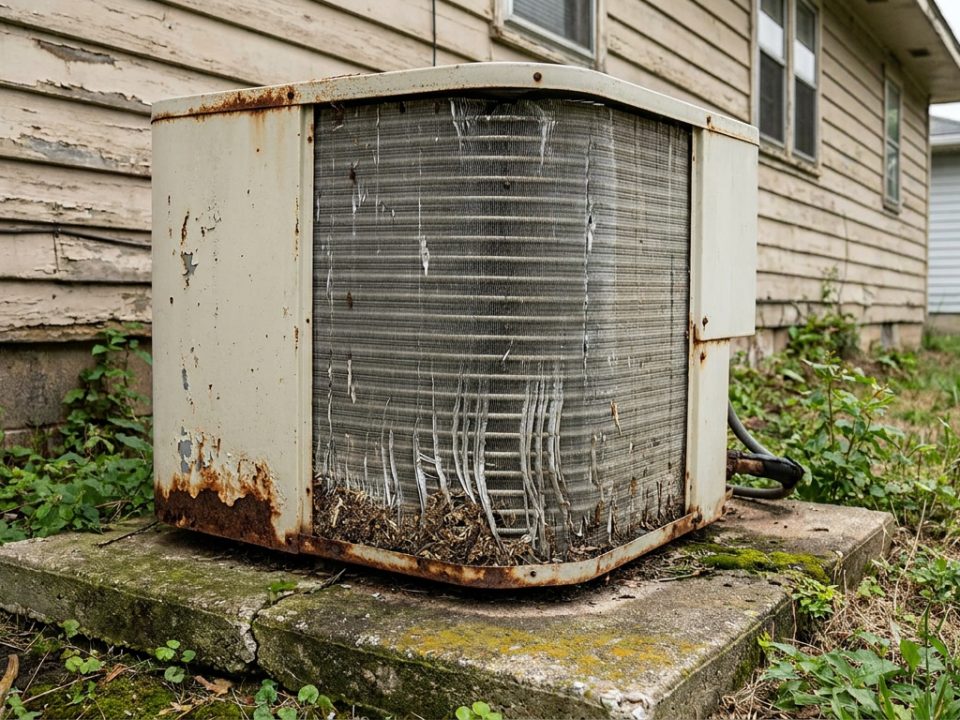
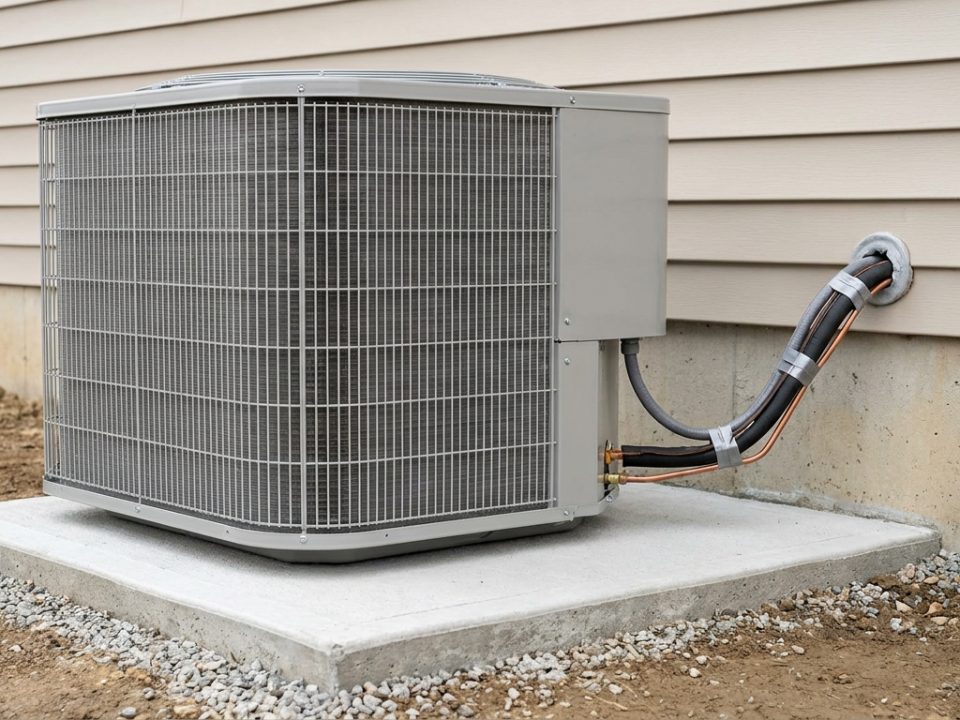
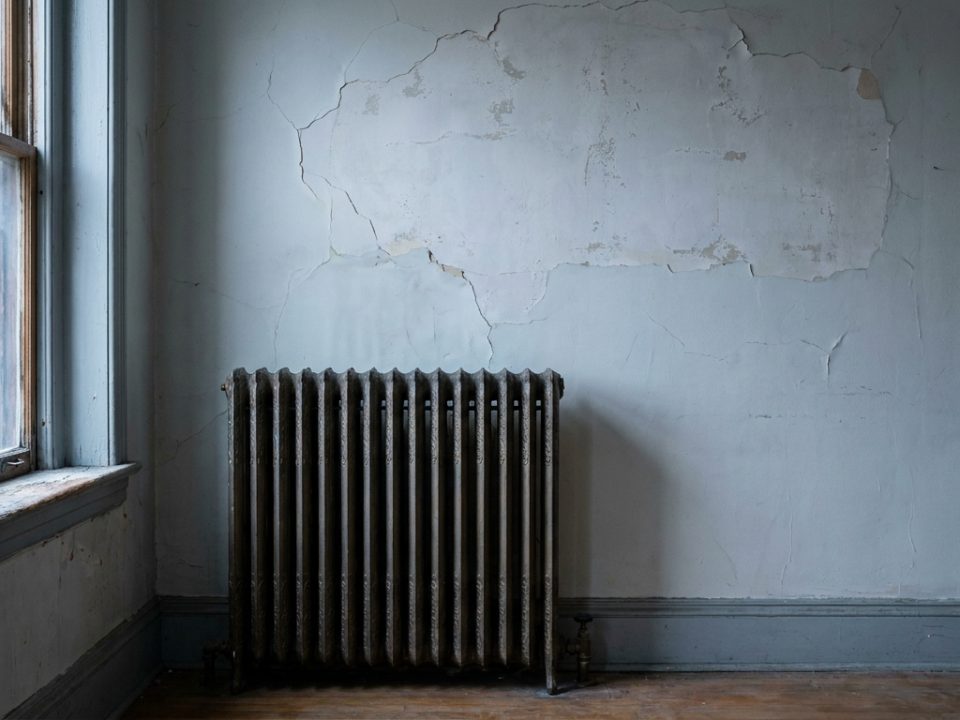
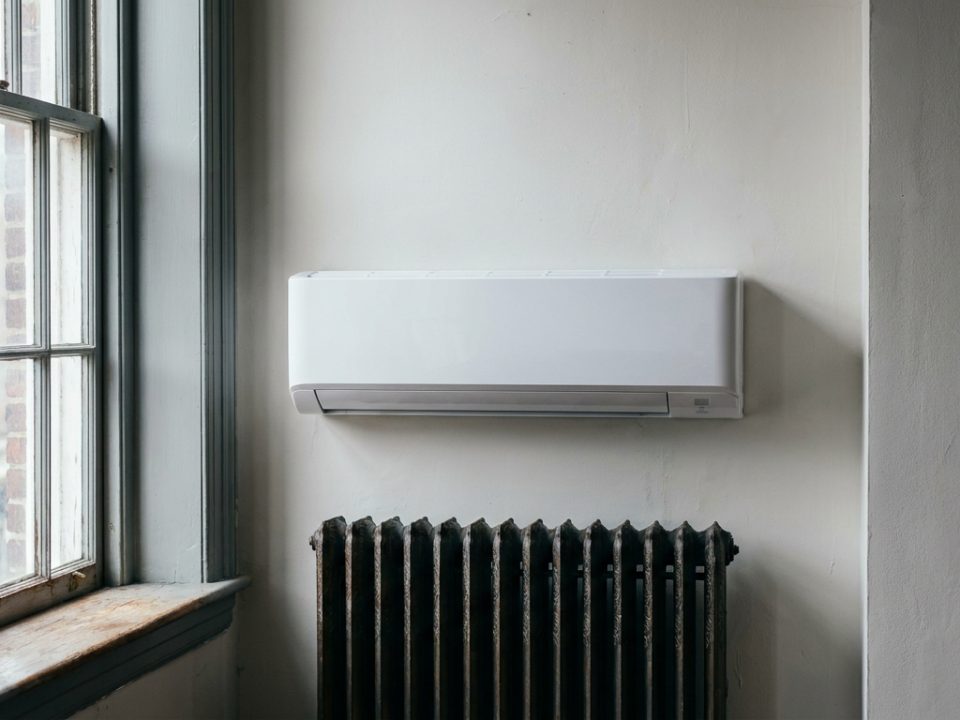
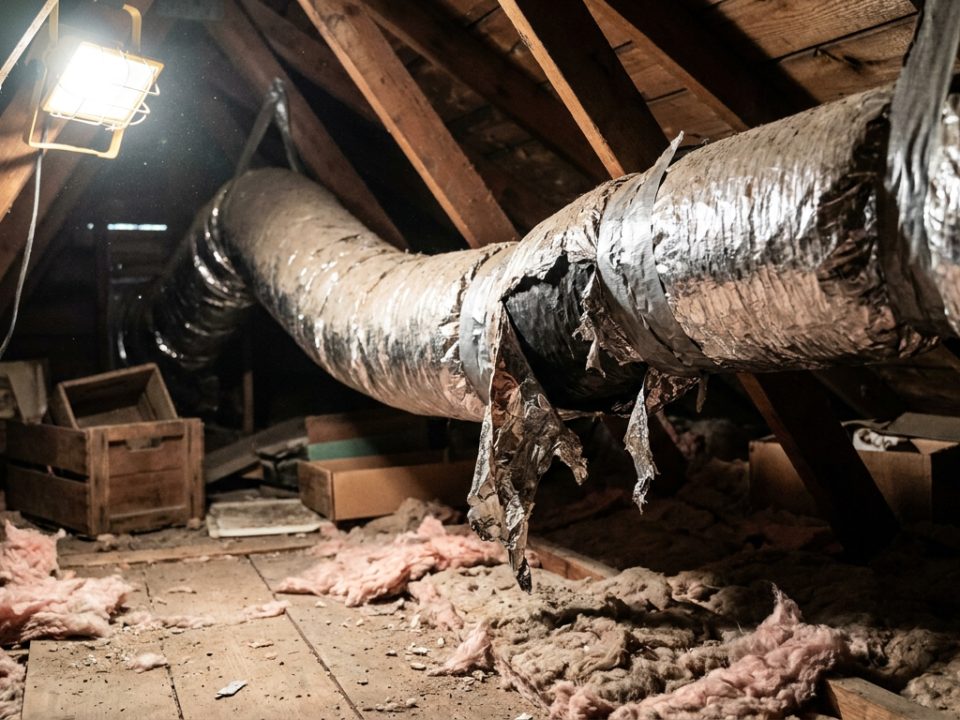
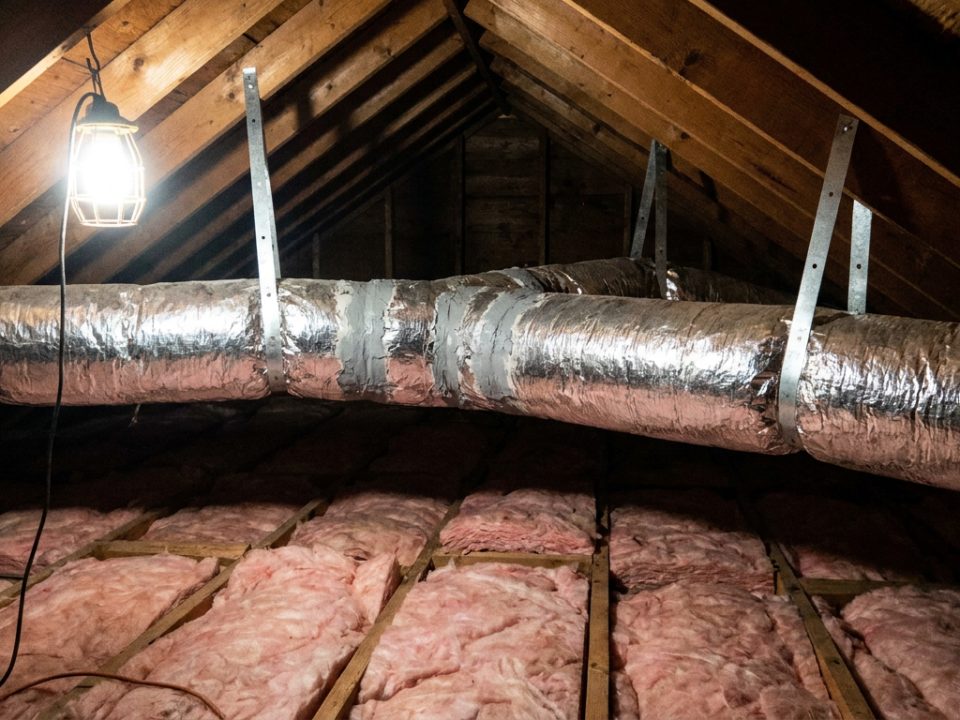
Illustrative examples of the work described here. More in our disclaimer.
When it is genuinely worth doing
Four situations where the answer is clearly yes.
After construction or renovation
Drywall dust is fine, abrasive and gets everywhere, and if the system ran during the work it is now distributed through the ductwork. This is the most clear-cut case.
Vermin
Rodents or insects nesting in ductwork leave droppings and nesting material that then circulates. Not a comfort issue — a hygiene one. Deal with the access point at the same time or it recurs.
Visible mold
Actual visible growth on duct surfaces or on the coil. The important part is finding the moisture that allowed it, because cleaning without fixing that is a temporary result.
Substantial visible debris
If you pull a register cover and there is a visible accumulation, or debris is being blown out when the system starts, it is warranted.
When it is not
The EPA does not recommend duct cleaning on a routine schedule, and says the benefits have not been demonstrated for a system with no identified problem. That is worth knowing before paying for it annually.
As yearly maintenance on a clean system
Some dust settling in ductwork is normal and it largely stays put. There is no established benefit to removing it on a schedule.
As a cure for allergies
Frequently sold this way and rarely the answer. Filtration grade, humidity control and sealing the return side do more. If dust returns days after a clean, the source is a leak rather than the ducts themselves.
As a substitute for changing the filter
A filter changed on schedule prevents far more accumulation than any amount of periodic cleaning removes.
How to avoid the bait and switch
This trade has a well-documented pattern and it is worth recognizing.
The very low advertised price
A whole-house special at a startlingly low number is a foot in the door. The technician arrives, finds urgent additional work — mold treatment, sanitizing, extra vents charged individually — and the total multiplies. If a price seems impossible for a day of skilled work with truck-mounted equipment, it is.
What proper cleaning involves
Negative pressure on the system with truck-mounted vacuum, agitation of every run with brushes or air whips, access openings cut and properly sealed afterwards, and the blower and coil cleaned too. Not one person with a shop vacuum at each register.
Sanitizing and fogging
Generally not worth paying for. The EPA notes that chemical biocides and sealants inside ductwork have not been fully researched and are not appropriate for most residential systems. Where there is genuine mold, find the moisture source and clean or replace the affected material rather than spraying it.
Ask about NADCA
The industry association sets a standard for how this work is done. Membership is not a guarantee, but it is a reasonable filter and the standard gives you something to hold a quote against.
Air Duct Cleaning — frequently asked questions
How often should air ducts be cleaned?
There is no recommended interval, because it is condition-based rather than scheduled. Clean when there is a reason — renovation, vermin, visible mold or debris. The EPA specifically does not recommend routine cleaning of a system with no identified problem.
Will duct cleaning help my allergies?
Rarely the main answer. Filter grade, humidity control and sealing return-side leaks generally do more. Where there is genuine contamination in the ducts it helps, but as a general allergy measure the evidence is weak.
Does duct cleaning lower energy bills?
Not meaningfully, in most cases. Sealing leaky ducts does — that is a different job with a measurable return, and if you are choosing between them on the same budget, sealing is usually the better spend.
How long does it take?
A typical house is three to five hours done properly. If someone quotes forty-five minutes for a whole system, they are not doing what is described above.
Should I clean the dryer vent too?
Yes, and this one is genuinely worth doing on a schedule — lint accumulation in a dryer vent is a real fire risk. It is a separate job from HVAC ductwork, but most companies that do one will do the other, and it is worth asking while someone is there.
How much does air duct cleaning cost in New Jersey?
The number to be wary of is a very low one. A whole-house special at a startlingly cheap price is a foot in the door, and the total multiplies once a technician is on site and finds urgent extras. Proper cleaning takes three to five hours with truck-mounted vacuum equipment, and it is priced accordingly.
How can I tell if there is mold inside my HVAC system?
Visible growth on duct surfaces or on the evaporator coil, and a musty smell strongest when the system first starts. The coil and drain pan are where it usually is, because they are permanently damp. The important step is finding the moisture that allowed it — cleaning without fixing that is temporary.
Air Duct Cleaning near you
We cover cities and towns across New Jersey.