224 cities and towns covered
HVAC Maintenance and Tune-Ups in New Jersey
The visit that prevents the emergency call. The first hard freeze and the first heat wave produce most of the year's no-heat and no-cool calls, almost all on systems that had been sitting idle — which is exactly what a pre-season check catches.
Leave the building and call from outside — that is an emergency services call, not a service call. A yellow burner flame or headaches that clear when you leave the house point the same way. For no heat in freezing weather, call rather than read on: the risk there is frozen pipes rather than comfort, and it arrives within hours.
Call about maintenance
(949) 703-2282Free to use, and there is nothing to pay us. You are never committed to going ahead.
What happens when you call
- You describe the problem and where you are.
- We put you in touch with a licensed contractor covering that area.
- They arrange the visit and agree the price with you directly.
Worth having to hand
- Roughly how old the system is
- What it is doing — or not doing
- Your ZIP code
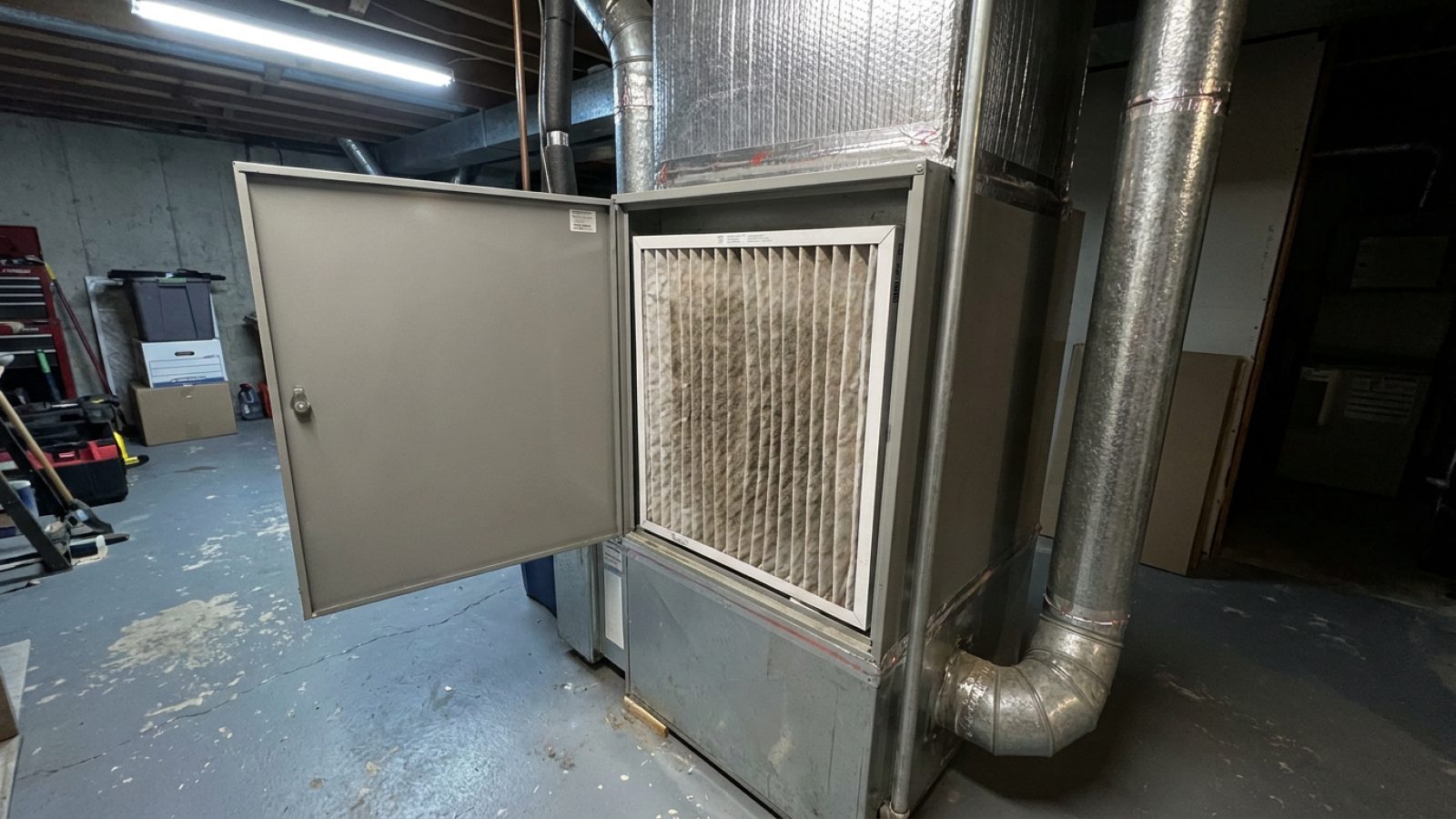
What to ask for on HVAC Maintenance and Tune-Ups
- Cooling checked in spring, heating in fall
- Book before the season, not during it
- Keep the invoice — most warranties require documented annual service
- A filter you change yourself is the cheapest maintenance there is
- Licensed & insured We match you with contractors who hold current licensing and cover.
- Know what to ask Every page says what decides the price, so you can judge a quote.
- Free to use We never charge you. Compare quotes and walk away at any point.
- Same-day reply Inquiries answered the day they arrive, usually within a couple of hours.
How it works
Three steps, no obligation at any of them.
-
1
Call and tell us what is wrong
Describe the problem and give us your ZIP code. We match you with a licensed HVAC contractor covering your area — there is nothing to fill in and nothing to pay us.
-
2
A local contractor gets in touch
A licensed HVAC professional contacts you to discuss the problem and arrange a visit. What they charge to attend or diagnose is theirs to set, so agree it with them up front.
-
3
You decide
Book the work, wait a season, or get a second quote. There is no obligation to go ahead with the contractor we introduce you to, and nothing to pay us either way.
What these repairs look like
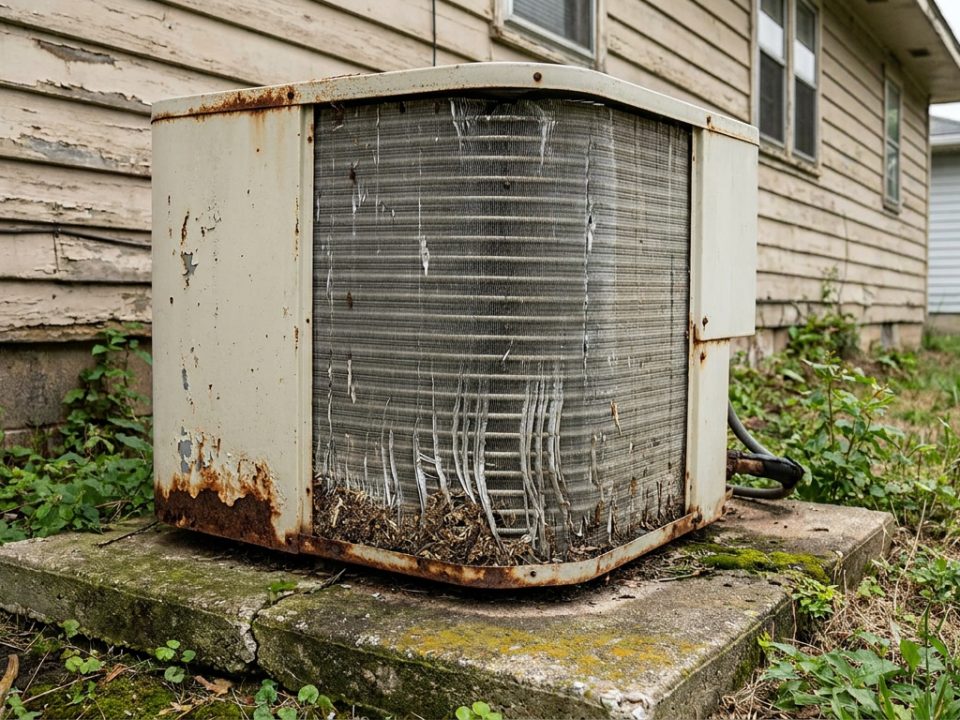
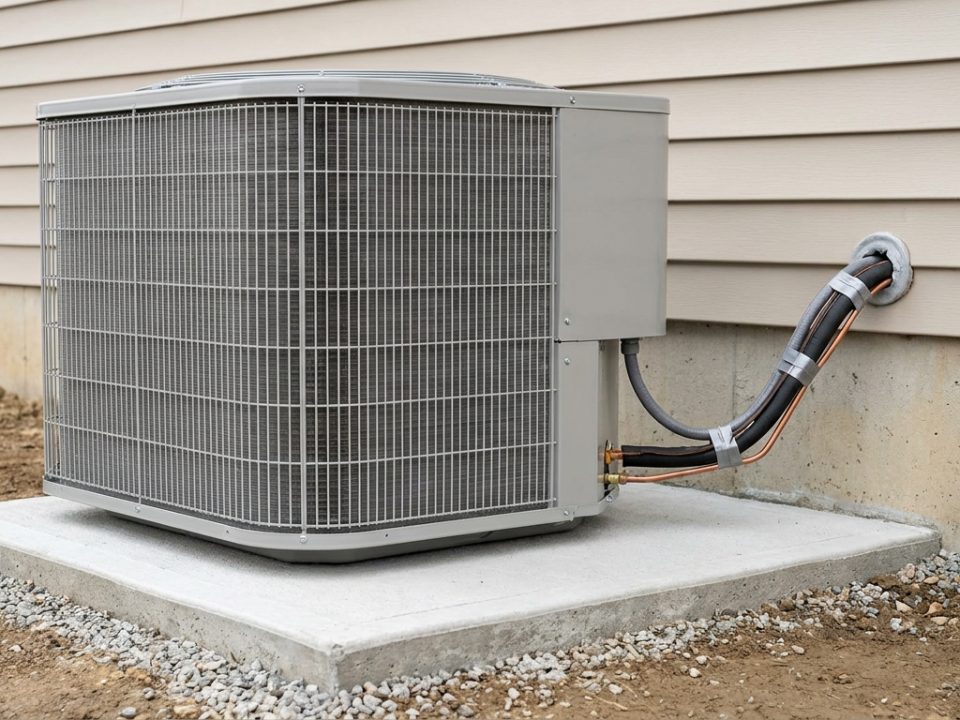
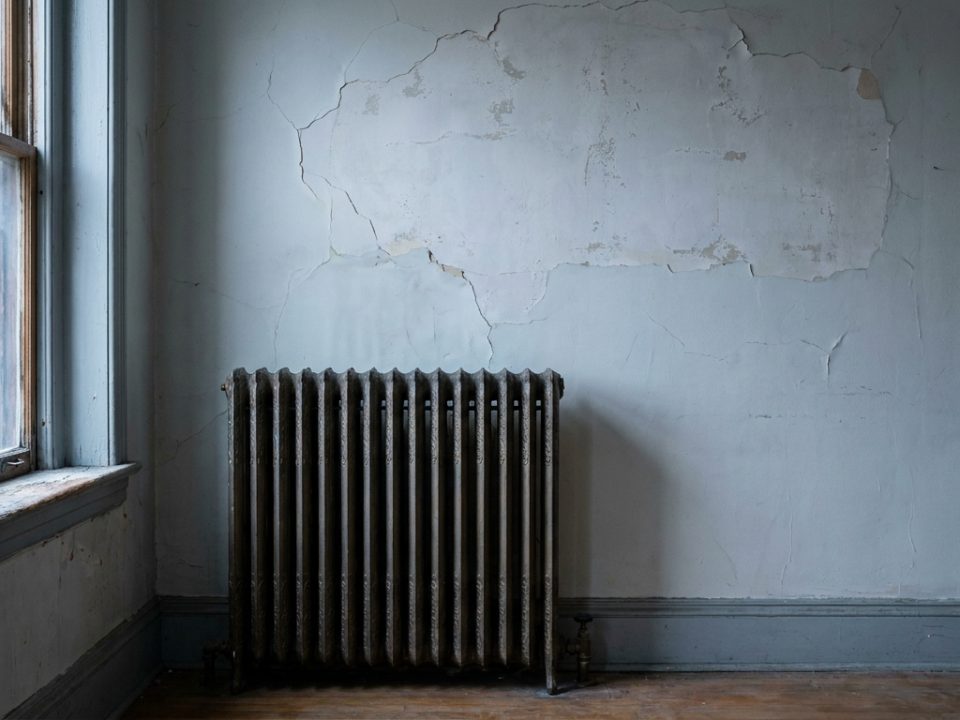
Illustrative examples of the work described here. More in our disclaimer.
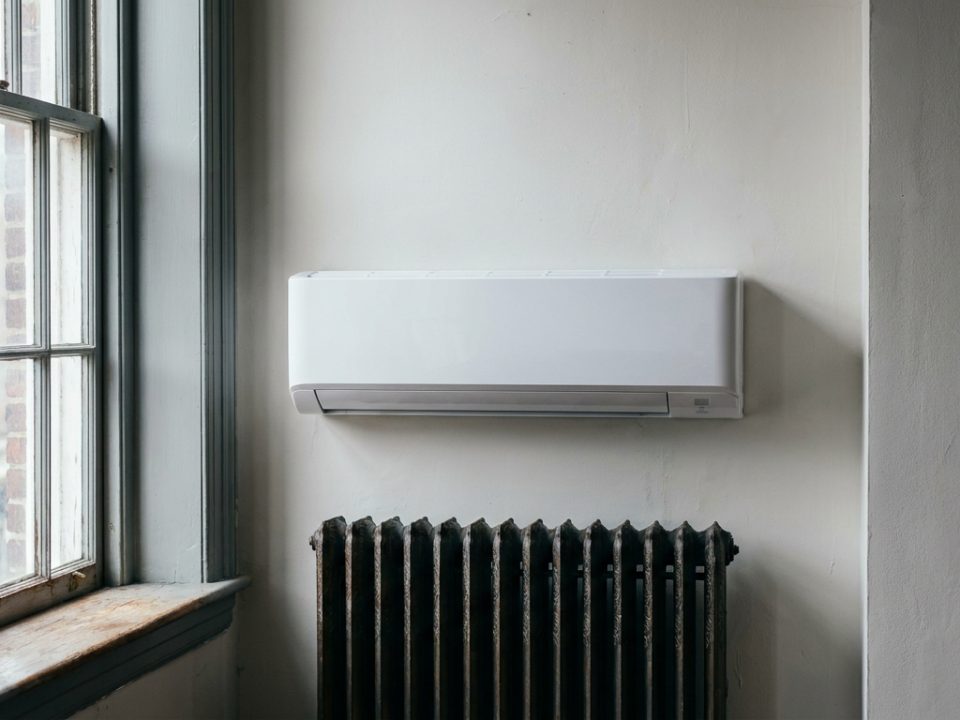
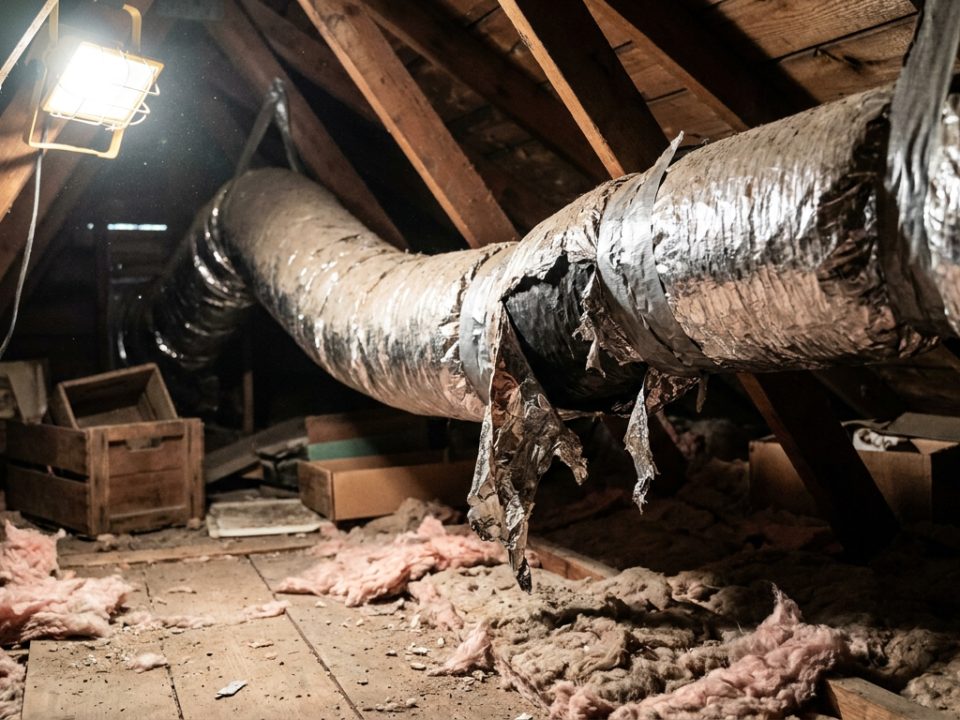
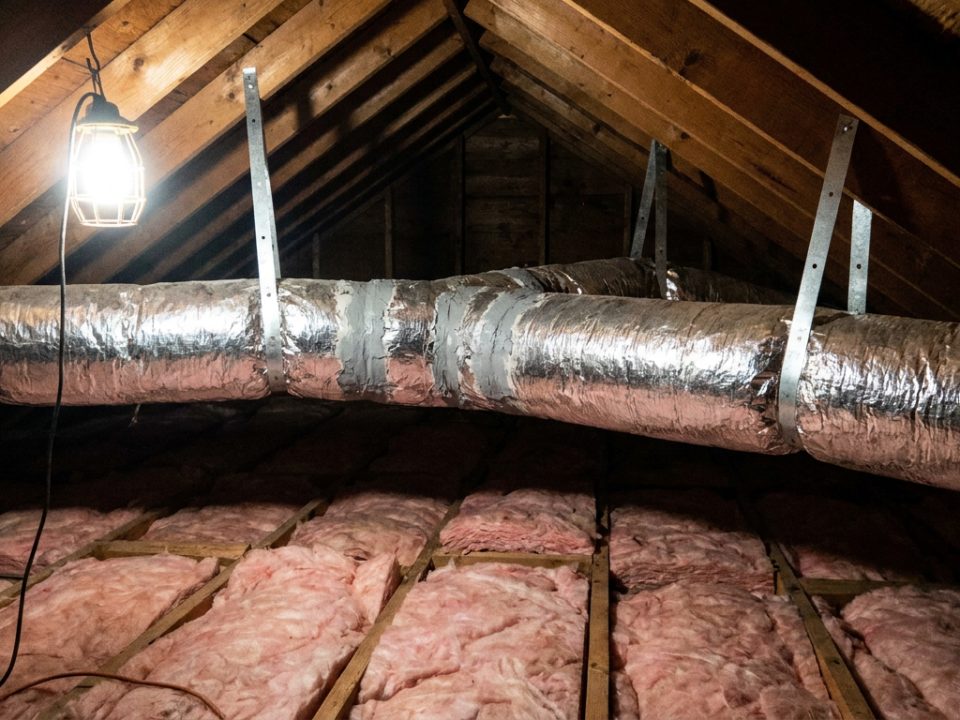
What a real service visit includes
Tune-up prices vary widely and so does what you get for them. These are the checks that distinguish a genuine service from a fifteen-minute look.
On heating
Combustion analysis — measuring what is actually coming out of the flue — plus a heat exchanger inspection, flame sensor clean, igniter check, gas pressure, safety and limit switch testing, condensate drain and trap on a high-efficiency unit, blower cleaning and amp draw, and venting. The combustion analysis is the one that cannot be faked and the one worth asking about specifically.
On cooling
Refrigerant charge verified by superheat or subcooling rather than by pressure alone, condenser coil cleaned, evaporator coil and drain checked, capacitor tested against its rated value, contactor inspected, blower and amp draws, and temperature split across the coil. A capacitor measured before it fails is the cheapest repair on the site.
On boilers
Combustion and efficiency, safety controls and low-water cutoff, pressure and expansion tank, circulators or venting depending on system type, and on steam the water level controls and a blowdown. Steam systems benefit more from annual attention than almost anything else in this list.
When to book it in New Jersey
Timing is most of the value, and the mistake is universal: people book when it breaks.
Cooling in April and May
Ahead of the first real heat, while contractors have capacity. A system checked in April gets fixed in April; the same fault found on the first 95-degree day in July puts you in a queue behind everyone else in the state.
Heating in September and October
Same logic in reverse. The first cold snap generates an enormous volume of no-heat calls, most of them on systems that were fine in March and have sat untouched since.
Shore properties get a start-up, not just a service
A house shut from October to May needs a proper start-up before the season rather than a mid-season check. Systems fail on the first hot weekend precisely because nothing has run in eight months.
What you can do yourself, and what you cannot
A meaningful share of service calls are things a homeowner could have handled. An equally meaningful share are things nobody should attempt.
Change the filter
The single highest-value thing you can do, and the cause of a startling proportion of no-heat and no-cool calls. Monthly to quarterly depending on the filter, pets and occupancy. Note the size on the frame and keep spares.
Keep the outdoor unit clear
Two feet of clearance, no shrubs growing into it, no debris on top. Rinse the coil each spring — power off at the disconnect, garden hose from inside outward, never a pressure washer.
Leave the rest alone
Anything involving refrigerant, fuel gas, combustion or line-voltage electrics needs a licensed technician, and in New Jersey refrigerant handling additionally requires EPA Section 608 certification. The failure modes here are carbon monoxide, fire and a destroyed compressor.
Maintenance plans, and whether they are worth it
Most contractors offer one. They are worth reading rather than assuming.
What they usually include
Two visits a year, priority scheduling when everyone else is queuing, and a discount on repairs. The priority scheduling is often the real value — in a heat wave or a hard freeze, being on a plan is the difference between today and next week.
What to check before signing
Whether it auto-renews, what the cancellation terms are, whether the discount applies to parts as well as labor, and whether after-hours calls are covered or merely discounted. Also whether the plan transfers if you sell the house.
The warranty condition nobody reads
Most manufacturer warranties require documented annual servicing, and that condition is enforced more often than people expect — a compressor claim on a system with no service history can be refused. Keep the invoices. They are the documentation.
HVAC Maintenance and Tune-Ups — frequently asked questions
How often should an HVAC system be serviced?
Annually at minimum, and twice a year where the same system heats and cools — cooling checked in spring, heating in fall. Heat pumps run year-round and genuinely benefit from both visits.
Is a tune-up actually worth the money?
The case is not really about efficiency gains, which are modest. It is about catching a $200 capacitor before it strands you at $600 on a Sunday, keeping the warranty valid, and finding combustion problems that are a safety matter rather than a comfort one.
My system is new. Does it still need servicing?
Yes, and more pointedly than an old one — because the manufacturer warranty protecting that new equipment almost certainly requires it. Skipping years on a system still under warranty is the most expensive saving available.
How often should I change the filter?
A one-inch filter roughly monthly to quarterly; thicker media filters every six to twelve months. Pets, allergies and construction dust shorten all of those. Hold it up to a light — if you cannot see through it, change it.
What is included in a maintenance visit?
On heating: combustion analysis, heat exchanger inspection, flame sensor, gas pressure, safeties, condensate, blower. On cooling: refrigerant charge verified properly, both coils, capacitor tested, contactor, amp draws, temperature split. Ask specifically whether combustion analysis is included — that is what separates a real service from a look.
Do maintenance plans include repairs?
Usually not — they typically include the visits plus a discount on repairs and priority scheduling. Read whether the discount covers parts as well as labor, and whether after-hours calls are included or just discounted.
How much does HVAC maintenance cost in New Jersey?
Less than the emergency call it prevents, which is the honest framing. What varies is what is included — a visit with a combustion analysis and a properly verified refrigerant charge is a different product from a filter change and a look. Ask specifically what the visit covers rather than comparing headline prices.
Is an annual maintenance plan worth it?
The visits themselves are worth having. The part people underrate is priority scheduling — during a heat wave or a hard freeze, being on a plan is the difference between today and next week. Before signing, check whether it auto-renews, whether the repair discount covers parts as well as labor, and whether after-hours calls are included or merely discounted.
Can HVAC maintenance lower my energy bills?
Modestly and reliably — clean coils, correct refrigerant charge and good combustion all matter. But in most New Jersey houses the larger savings are duct sealing and attic insulation rather than the equipment itself, so do not expect servicing alone to explain a high bill.
HVAC Maintenance and Tune-Ups near you
We cover cities and towns across New Jersey.
HVAC Maintenance and Tune-Ups guides
Everything we have written on this job — costs, timing, and how to tell what you are actually looking at.
How to Check an HVAC Contractor Is Licensed in New Jersey
New Jersey licenses HVAC at state level with a verifiable number. How to check it, and the questions worth …
Commercial HVAC in New Jersey: What Businesses Need to Know
Rooftop units, restaurant kitchens, retail and office HVAC across New Jersey — how commercial work differs …
Getting a New Jersey Home Ready for Winter
What to do in September and October so the first hard freeze is not the first time you find out something i…