224 cities and towns covered
AC Installation in New Jersey
A replacement is a sizing exercise before it is a shopping exercise. Get the capacity wrong and no brand rescues it — an oversized system cools fast, shuts off before it has removed any humidity, and leaves a house that is cold and clammy.
Leave the building and call from outside — that is an emergency services call, not a service call. A yellow burner flame or headaches that clear when you leave the house point the same way. For no heat in freezing weather, call rather than read on: the risk there is frozen pipes rather than comfort, and it arrives within hours.
Call about AC installation
(949) 703-2282Free to use, and there is nothing to pay us. You are never committed to going ahead.
What happens when you call
- You describe the problem and where you are.
- We put you in touch with a licensed contractor covering that area.
- They arrange the visit and agree the price with you directly.
Worth having to hand
- Roughly how old the system is
- What it is doing — or not doing
- Your ZIP code
What to ask for on AC Installation
- Capacity from a load calculation, not the old nameplate
- Existing ductwork should be assessed before equipment is quoted
- Ask for repair and replacement quoted side by side
- Permits are the contractor's to pull where the town requires one
- Licensed & insured We match you with contractors who hold current licensing and cover.
- Know what to ask Every page says what decides the price, so you can judge a quote.
- Free to use We never charge you. Compare quotes and walk away at any point.
- Same-day reply Inquiries answered the day they arrive, usually within a couple of hours.
How it works
Three steps, no obligation at any of them.
-
1
Call and tell us what is wrong
Describe the problem and give us your ZIP code. We match you with a licensed HVAC contractor covering your area — there is nothing to fill in and nothing to pay us.
-
2
A local contractor gets in touch
A licensed HVAC professional contacts you to discuss the problem and arrange a visit. What they charge to attend or diagnose is theirs to set, so agree it with them up front.
-
3
You decide
Book the work, wait a season, or get a second quote. There is no obligation to go ahead with the contractor we introduce you to, and nothing to pay us either way.
What these repairs look like
Illustrative examples of the work described here. More in our disclaimer.
Why sizing decides everything
Capacity is measured in tons, and more is not better. An oversized air conditioner satisfies the thermostat quickly and shuts down — which sounds efficient and is the opposite. Removing humidity takes run time, and a system that runs in short bursts never gets there.
The result is a house at 72 degrees that feels clammy and smells faintly damp, and an occupant who turns the thermostat down, which makes it worse. In New Jersey's humid summers this is the most common complaint after a bad replacement.
What a load calculation actually is
A room-by-room assessment of how much heat the house gains — square footage, insulation levels, window area and orientation, air-tightness, occupancy. The industry standard for residential work is Manual J. It produces a number specific to your house rather than to houses of roughly that size.
Why matching the old system is usually wrong
Much of New Jersey's postwar housing had oversized equipment installed originally, and those houses have since been insulated, had windows replaced and been air-sealed. Matching the nameplate carries the original error forward and adds the improvements on top of it. A properly sized replacement is frequently smaller than what it replaces, and that is a good sign rather than a cost-cutting one.
What to ask for
Ask whether a load calculation was performed and to see the result. A quote produced from a walk-round and the existing nameplate is a guess. This is a reasonable request and any established firm expects it.
Can central air go into an older New Jersey home?
It depends almost entirely on whether there is a route for ductwork, and in much of the state there is not.
Where it works
Postwar Central and South Jersey housing was frequently built with forced-air heating from the start, so the ducts exist and adding or replacing cooling is straightforward. Houses with a full attic and a basement can usually be ducted even if they were not originally, because there is somewhere for trunk lines to run.
Where it does not
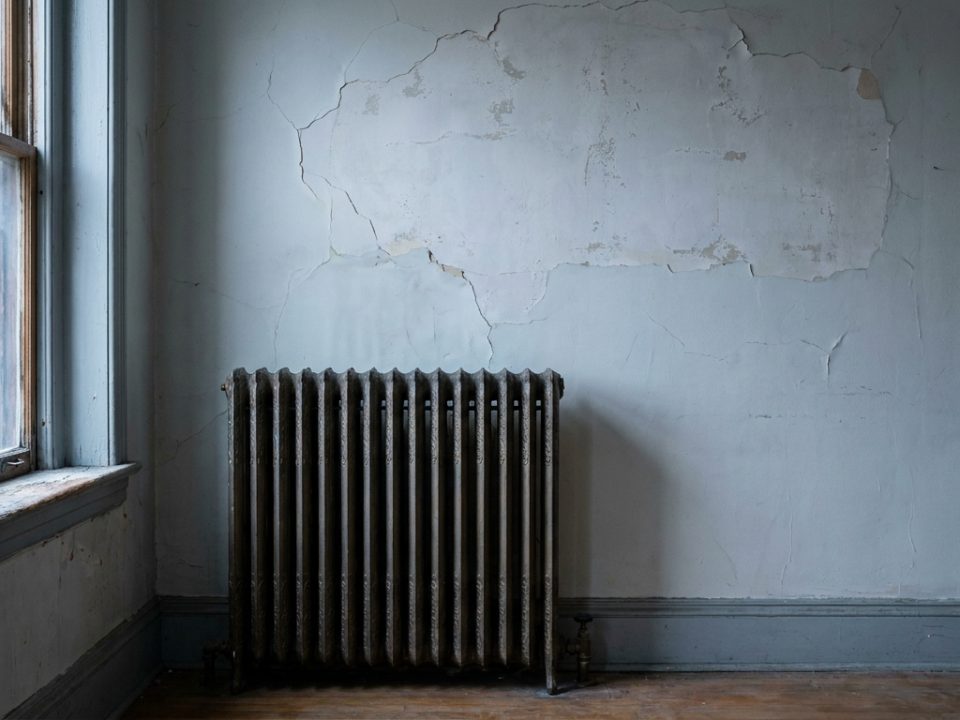
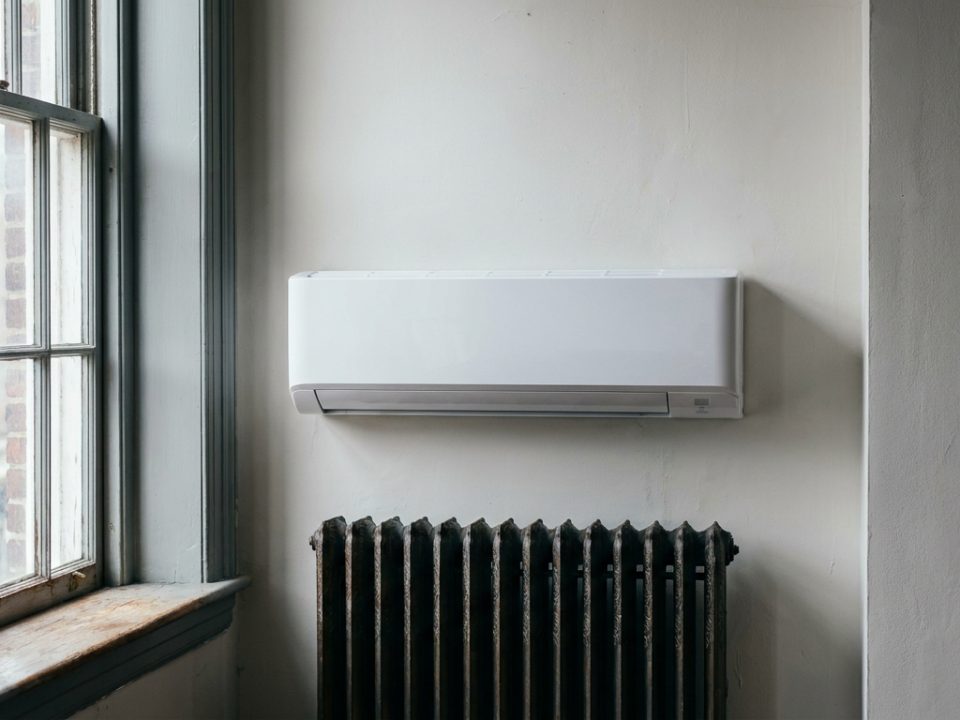
Pre-war housing heated by radiators — most of Hudson, Essex and the older Bergen and Passaic stock — has no ducts and often nowhere to put them without losing closets and ceiling height. Retrofitting ducts into a finished period house is expensive and destructive, and ductless is usually the better answer rather than a compromise.
The high-velocity option
Small-diameter high-velocity systems can be threaded through existing wall cavities where conventional ducts will not fit. They cost more and they are noisier, but in a house where preserving plaster and trim matters, they are a genuine third option worth asking about.
What else moves the price
Beyond capacity, a handful of things reliably change the number.
The condition of the existing ductwork
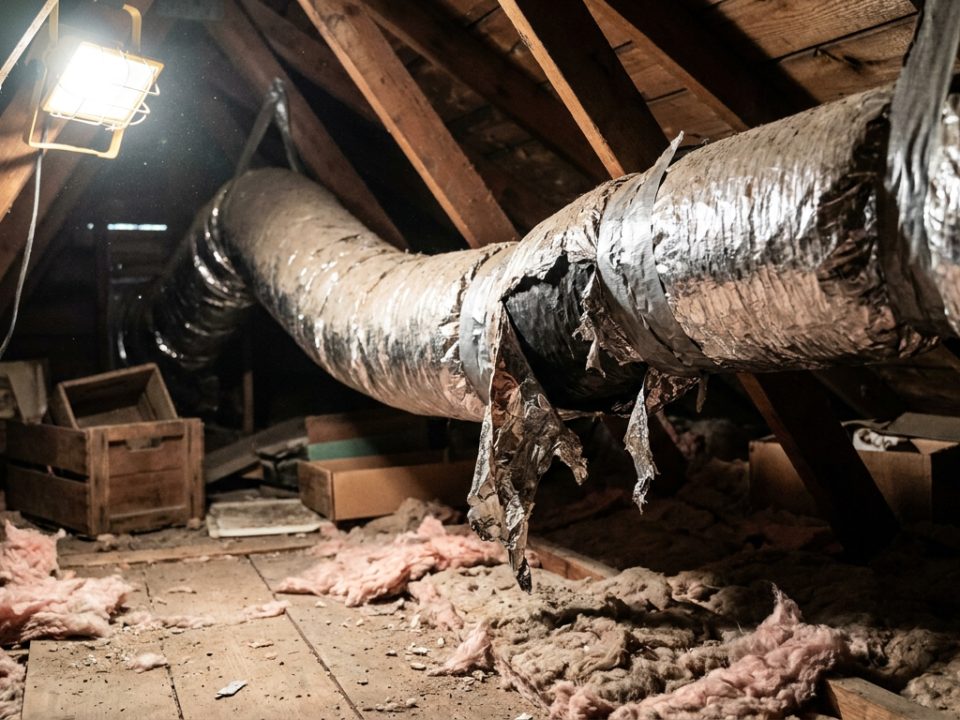
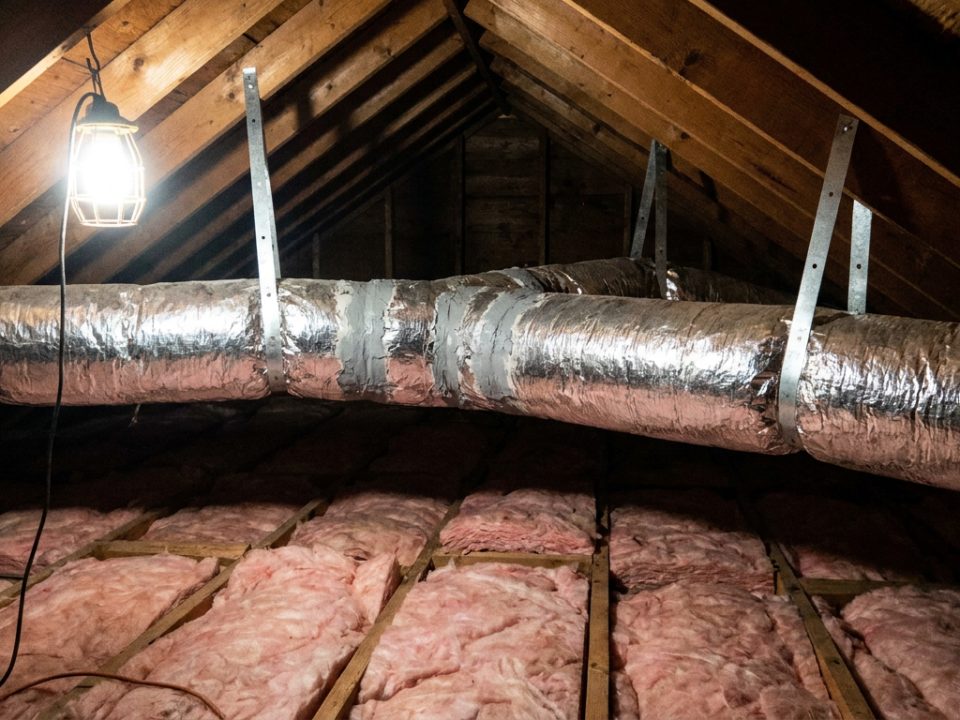
Ducts sized for an old system may not carry the airflow a new one needs, and leaky ducts in an unconditioned attic waste a meaningful share of what you paid to cool. Sealing and repair frequently returns more than a higher efficiency rating on the equipment would.
Efficiency rating
SEER2 is the current measure. Higher costs more up front and returns it over years — how many years depends on how much you run it, which in New Jersey means a real but not enormous cooling season. Mid-range is the sensible default for most houses; the top of the range makes sense where the system runs hard.
Where the condenser goes
It needs clearance to breathe and access to be serviced. A unit squeezed into a three-foot side yard between two houses will never reach its rated efficiency. Near the shore, add corrosion-resistant specification to the list.
AC Installation — frequently asked questions
Is a bigger air conditioner better?
No, and this is the most common and most expensive misunderstanding in the trade. Oversized equipment short-cycles: it drops the temperature quickly, shuts off before it has removed humidity, and leaves a house that is cold and clammy. It also wears faster, because starting is what stresses a compressor.
Can I install central air in a house with no ducts?
Sometimes, and often you should not. Where there is an attic and a basement to run trunk lines through, ducting is feasible. In a finished pre-war house with radiators, it is expensive and destructive, and a ductless system usually delivers a better result for less money and less disruption.
How long does a new AC system last in New Jersey?
Twelve to eighteen years inland with annual servicing. Near the shore, expect the shorter end — salt corrosion regularly takes shore condensers at eight to twelve years unless the coil was specified for it and rinsed regularly.
Do I need a permit to replace an air conditioner?
In most New Jersey municipalities, yes — mechanical and often electrical. Permits are the contractor's to pull, and a quote that skips them is not cheaper, it is incomplete. Unpermitted work also surfaces awkwardly at resale.
What does SEER2 mean?
The current efficiency rating for cooling equipment, replacing the older SEER measure with a test method closer to real installed conditions. Higher is more efficient. Because the test changed, a SEER2 figure is not directly comparable with an older SEER number on your existing unit.
Should I replace the furnace at the same time?
Often worth doing if both are of an age, because they share the indoor cabinet and the labor overlaps — doing them together costs less than doing them two years apart. It is also the natural moment to price a heat pump instead of both.
What size HVAC system do I need for a 2,000 square foot New Jersey home?
There is no answer from square footage alone, and any contractor who gives you one from that number is guessing. Insulation levels, window area and orientation, ceiling height, air-tightness and how many people live there all change the answer, and two 2,000 square foot houses in the same town can need meaningfully different capacity. Ask for a Manual J load calculation and to see the result.
How long does HVAC installation take?
A straightforward like-for-like changeover is usually a day. Two to three where venting changes, ductwork is modified, or a water heater needs re-venting after a condensing furnace moves off the shared flue. Ductless with several heads runs longer because each head needs its own line set. Permit and inspection steps can add calendar time even when the work itself is short.
Does a new HVAC system increase home value in New Jersey?
It helps at sale more than it adds a line of value. Buyers and inspectors notice ageing equipment, and a system near end of life becomes a negotiating point. New efficient equipment removes that objection and is worth mentioning in a listing. Treat it as protecting the sale price rather than raising it.
What HVAC system is best for a townhouse or condo in New Jersey?
It depends on what the building allows more than on what performs best. Many condos and townhouses have no route for ductwork and restrict what can be attached outside, which points at ductless or through-wall equipment. Check the rules and any alteration agreement before pricing anything — approval, not engineering, is usually the constraint.
How do I compare HVAC replacement estimates?
Make sure they are quoting the same scope, because that is where the differences usually come from rather than the equipment price. Check each includes permits, disposal, any venting changes, electrical work, the thermostat, and — on a condensing furnace — what happens to the water heater on the old flue. A quote that is thousands cheaper has usually left something out rather than found a saving.
How do I know if an HVAC quote is too expensive?
Compare three quotes for identical scope, and ask each what a load calculation produced. The signals that a number is inflated are: no load calculation, pressure to decide today, a large deposit, and reluctance to itemize. The signals it is too cheap are the same missing items — no permit, no disposal, no venting work.
Are HVAC financing options available in New Jersey?
Commonly, through contractors and manufacturers, and New Jersey has also offered zero-interest financing on qualifying efficiency work through state programs. Terms move from year to year, so ask what is current rather than assuming. If a heat pump is in scope, ask about the state route specifically — it is usually the better rate.
What warranties should come with a new system?
Two separate things: a manufacturer warranty on the equipment, and a labor warranty from the installer. Ask the length of each, and ask what conditions apply — most manufacturer warranties require registration within a window of installation and documented annual servicing thereafter, and both are enforced more often than people expect.
AC Installation near you
We cover cities and towns across New Jersey.
AC Installation guides
Everything we have written on this job — costs, timing, and how to tell what you are actually looking at.
Repair or Replace? Deciding on an Older HVAC System in New Jersey
When repairing an older furnace, boiler or air conditioner makes sense in New Jersey, and the four findings…
What Size HVAC System Does a New Jersey Home Need?
Why a contractor cannot size your system from square footage, what a load calculation involves, and why ove…