224 cities and towns covered
Boiler Installation in New Jersey
The most expensive item in residential heating and the one where sizing errors cost most. Old boilers were routinely oversized for buildings that have since been insulated — so matching the existing output usually buys too much boiler.
Leave the building and call from outside — that is an emergency services call, not a service call. A yellow burner flame or headaches that clear when you leave the house point the same way. For no heat in freezing weather, call rather than read on: the risk there is frozen pipes rather than comfort, and it arrives within hours.
Call about boiler installation
(949) 703-2282Free to use, and there is nothing to pay us. You are never committed to going ahead.
What happens when you call
- You describe the problem and where you are.
- We put you in touch with a licensed contractor covering that area.
- They arrange the visit and agree the price with you directly.
Worth having to hand
- Roughly how old the system is
- What it is doing — or not doing
- Your ZIP code
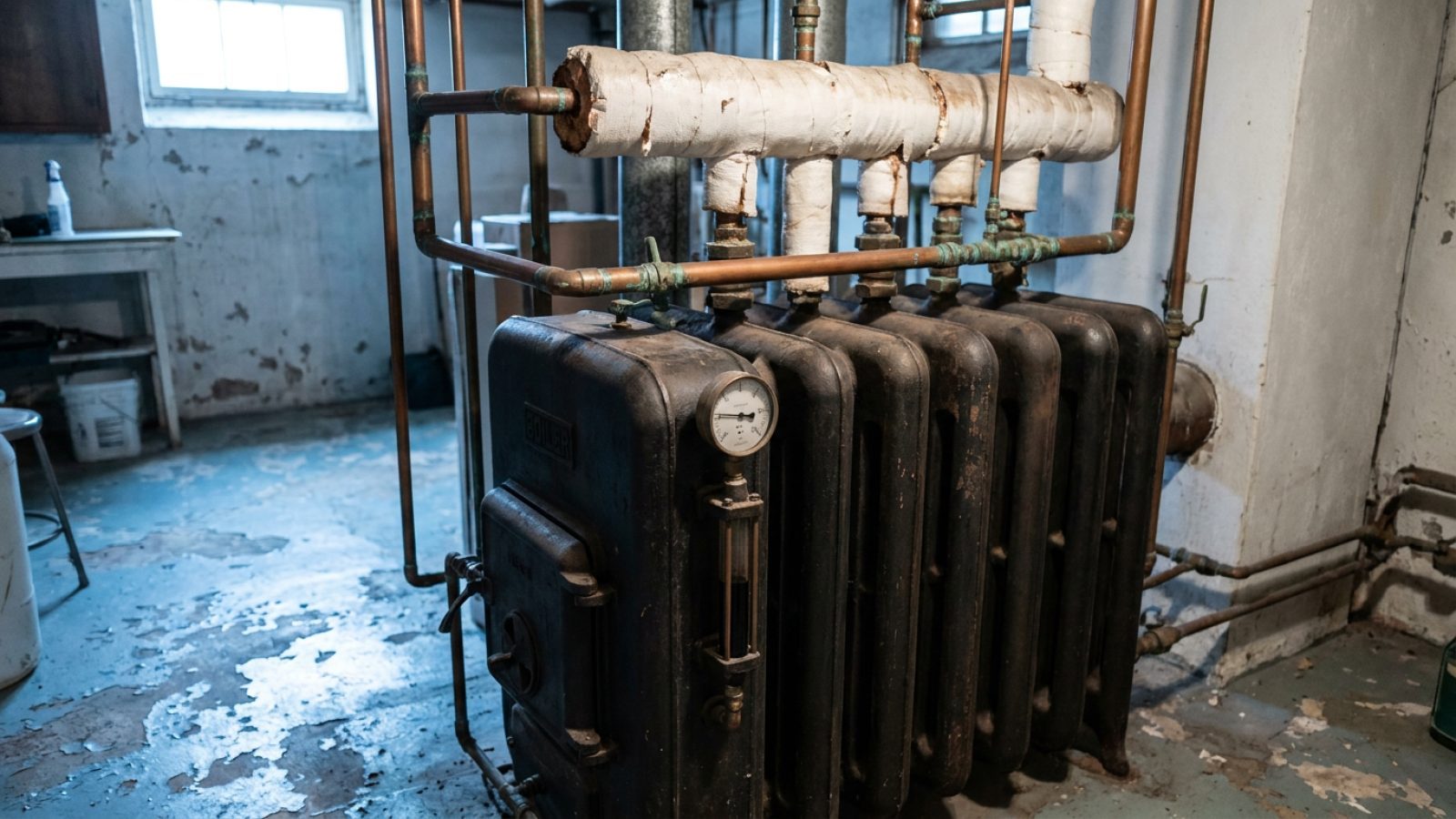
What to ask for on Boiler Installation
- Steam is sized from connected radiation, not heat loss
- Near-boiler piping follows the manufacturer diagram or it carries water
- Venting, condensate and orphaned water heaters belong on the quote
- Ask whether the contractor actually works on steam
- Licensed & insured We match you with contractors who hold current licensing and cover.
- Know what to ask Every page says what decides the price, so you can judge a quote.
- Free to use We never charge you. Compare quotes and walk away at any point.
- Same-day reply Inquiries answered the day they arrive, usually within a couple of hours.
How it works
Three steps, no obligation at any of them.
-
1
Call and tell us what is wrong
Describe the problem and give us your ZIP code. We match you with a licensed HVAC contractor covering your area — there is nothing to fill in and nothing to pay us.
-
2
A local contractor gets in touch
A licensed HVAC professional contacts you to discuss the problem and arrange a visit. What they charge to attend or diagnose is theirs to set, so agree it with them up front.
-
3
You decide
Book the work, wait a season, or get a second quote. There is no obligation to go ahead with the contractor we introduce you to, and nothing to pay us either way.
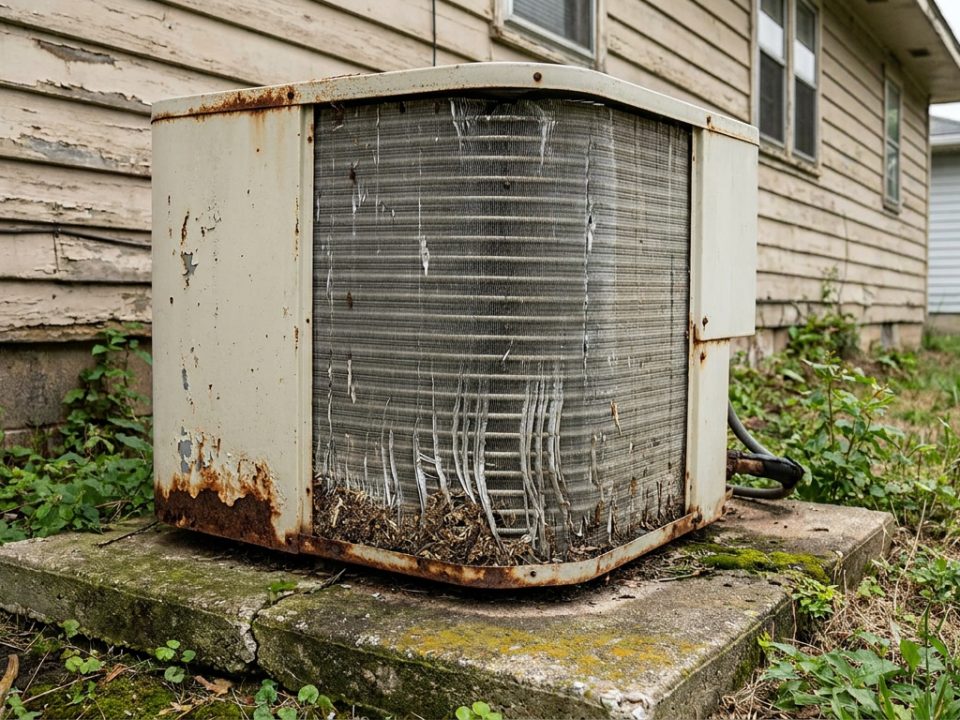
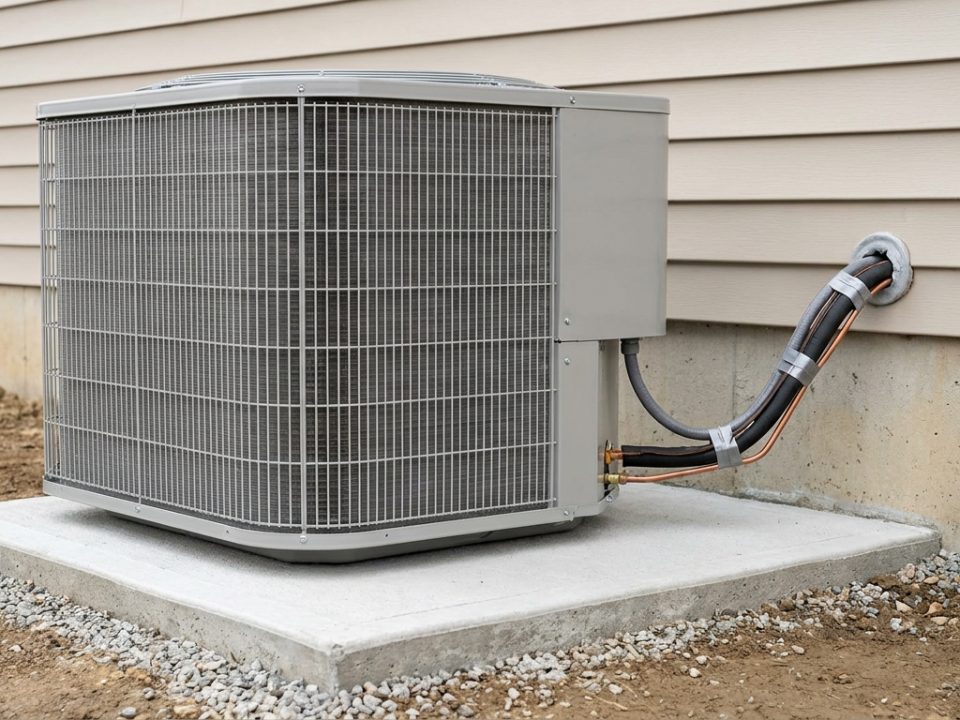
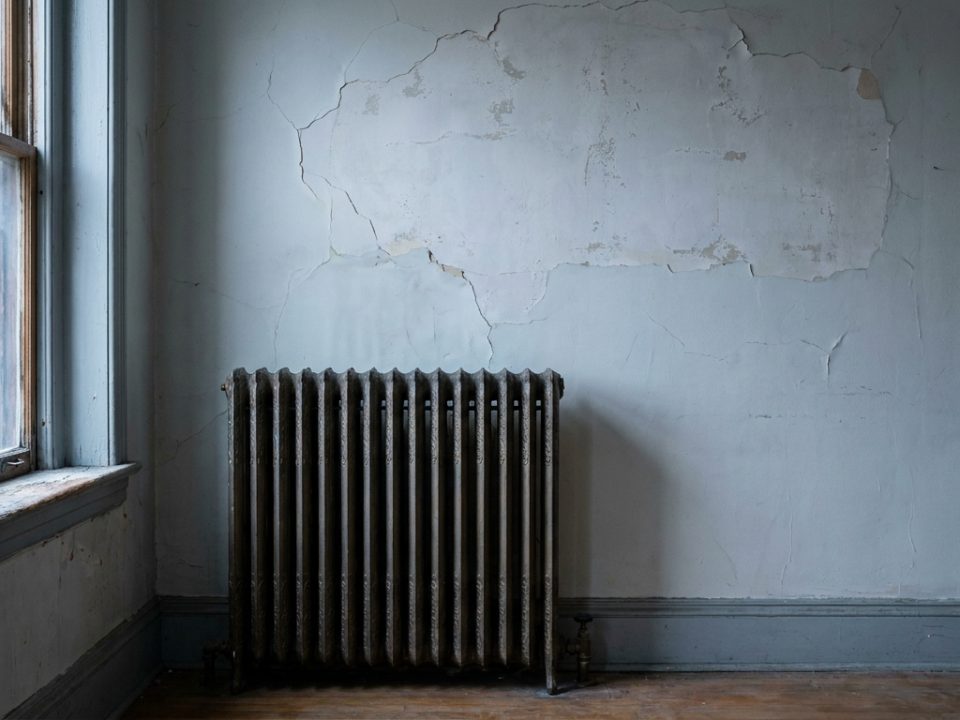
What these repairs look like
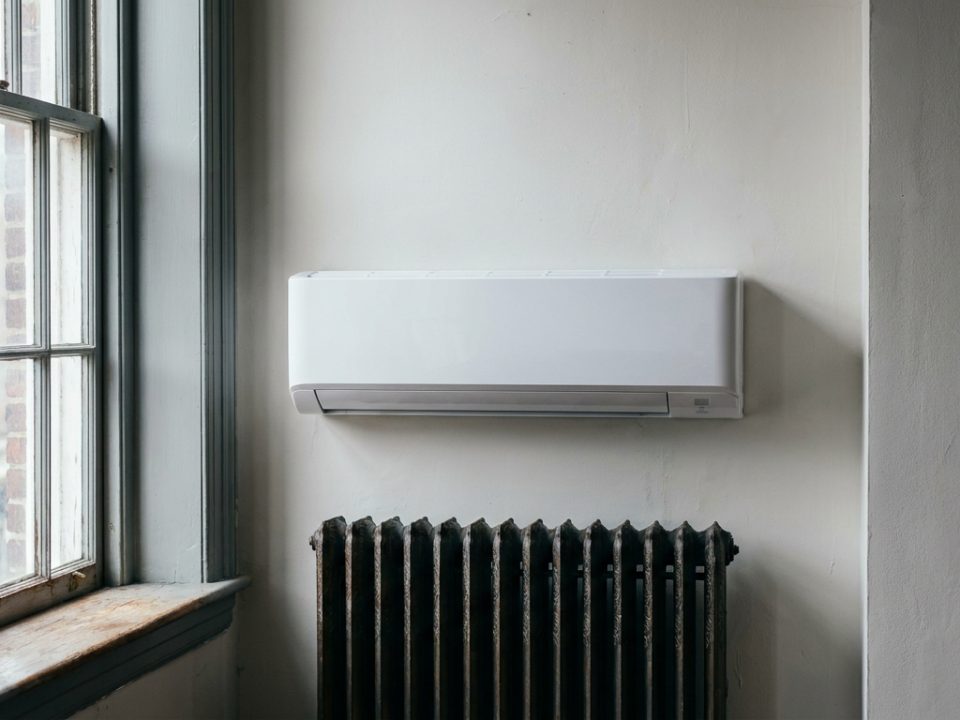
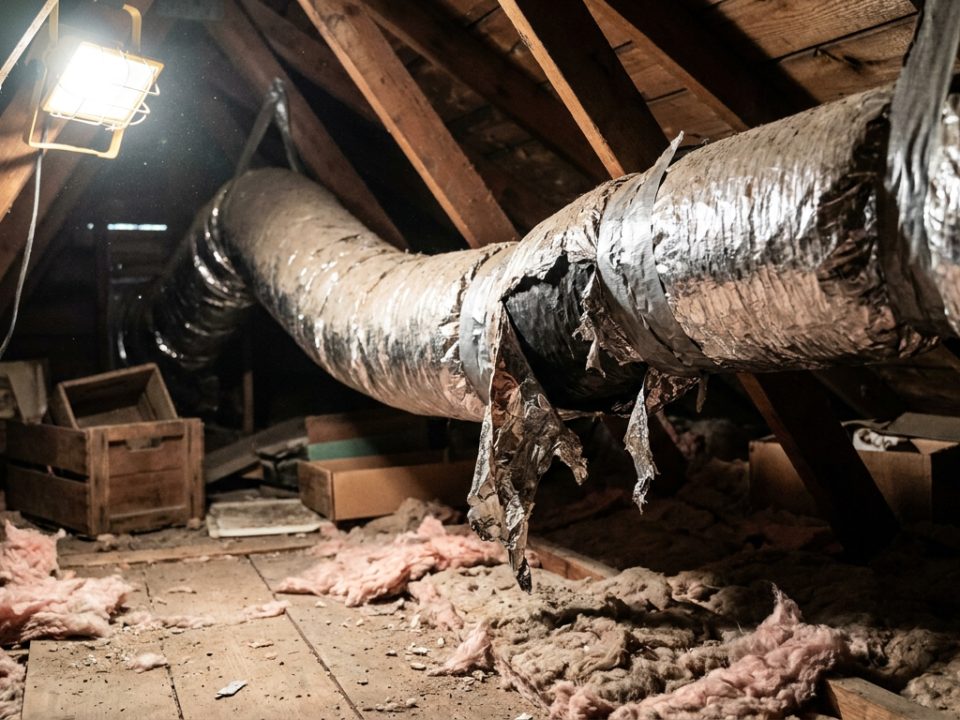
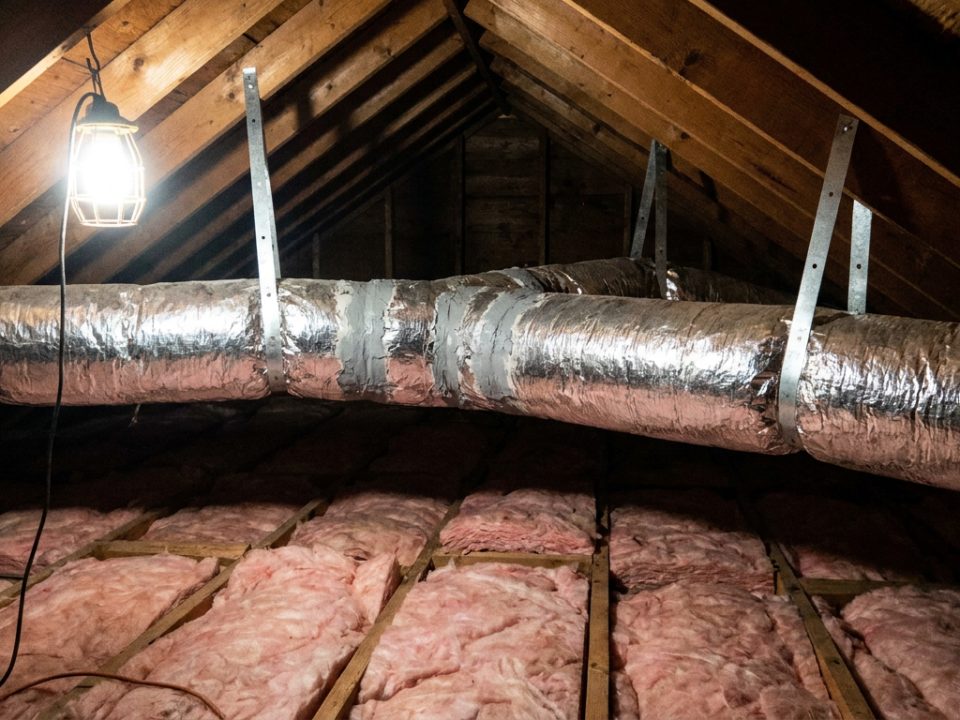
Illustrative examples of the work described here. More in our disclaimer.
Steam is sized differently, and this is where installs fail
On a hot water system you size to the building's heat loss, as you would a furnace. On steam you do not. You size to the connected radiation — the total surface area of every radiator the boiler has to fill with steam.
This is not a technicality. A steam boiler sized by heat loss will be too small to fill the system, and no amount of running it harder fixes that.
Why oversizing is just as bad
Too large and it makes steam faster than the radiators can condense it, which produces short cycling, wasted fuel and pressure that the system was never meant to see. Steam heating runs at ounces of pressure, not pounds. A contractor proposing to raise pressure to cure uneven heat has misunderstood the system.
Near-boiler piping decides whether it works
The pipework immediately above the boiler separates water from steam. Manufacturers publish an exact diagram — header height, riser count, equalizer. Installers who treat it as a suggestion produce boilers that throw water into the mains, which causes hammering, wet steam and poor heat. It is the most common serious defect in a steam replacement and it is entirely avoidable.
Ask the question directly
Steam is a specialism. Ask how many steam systems the contractor installed last year. A firm that mostly fits forced air and takes steam work occasionally is not the same proposition, and on this system type the difference shows.
Hot water: sizing, condensing and controls
A more forgiving system, and one with more room to improve on what you had.
Size to heat loss, not to the old nameplate
The same argument as everywhere else, and it bites hard on boilers because they were so often massively oversized. A house that has been insulated and reglazed since 1975 may need half what is currently sitting in the basement.
Condensing boilers and return temperature
A modern condensing boiler only reaches its rated efficiency when the water coming back to it is cool enough to condense the flue gases. Fitted to a system designed for high temperatures and run at those temperatures, it will never condense and you have paid for efficiency you cannot access. Outdoor reset controls, which lower the water temperature in milder weather, are what make it work.
Zoning
Replacement is the natural moment to add zones, so bedrooms and living areas can run at different temperatures. Retrofitting it later means opening things up again.
What else comes with the job
Boiler replacements have a longer tail of associated work than furnace ones.
Getting the old one out
Cast iron sectional boilers are extremely heavy and frequently have to be broken up in place to leave a basement. On the tight urban housing across Hudson and Essex, access is a genuine line item.
The flue, again
A condensing boiler vents through plastic out a side wall, which raises the same orphaned water heater problem a condensing furnace does. Where the boiler stays conventional, the existing flue still needs checking against the new appliance.
Water quality and system cleaning
Decades of debris in an old system will find its way into a new boiler. Flushing, and a proper strainer, protect what you have just paid for.
Boiler Installation — frequently asked questions
Can I put a smaller boiler in after insulating the house?
On hot water, yes — and you usually should, because the original was sized for the building as it was. On steam, no: sizing follows the connected radiation regardless of how well insulated the house now is, unless radiators are being removed too.
How long does a boiler replacement take?
Two to four days is typical. Longer where the old boiler has to be broken up to get it out, where near-boiler piping is being redone properly, or where venting changes.
How long will a new boiler last?
Cast iron commonly reaches twenty-five to thirty years and often more with annual servicing. Modern condensing units are typically rated lower — fifteen to twenty — because the heat exchanger works harder in a more aggressive environment.
Is a high-efficiency boiler worth it?
Only if the system lets it condense. On a low-temperature system with outdoor reset, yes clearly. Bolted onto a high-temperature system and run flat out, you have bought a rating you will never see. Ask specifically how the installer intends to make it condense.
Why is my new boiler banging when the old one did not?
On steam, almost always near-boiler piping that does not follow the manufacturer diagram, so water is carrying into the mains. It is a correctable installation defect and it is the installer's to put right — not something to live with.
Do I need a permit for a boiler replacement?
Yes in most New Jersey municipalities, and inspection with it. Given that this is fuel-gas work with combustion venting attached, it is one of the last places to accept a quote that skips the permit.
Boiler Installation near you
We cover cities and towns across New Jersey.