Covering 12 ZIP codes
Boiler Installation in Jersey City, NJ
The most expensive item in residential heating and the one where sizing errors cost most. Old boilers were routinely oversized for buildings that have since been insulated — so matching the existing output usually buys too much boiler.
- Covering 12 Jersey City ZIP codes
- Free to use, no obligation
Leave the building and call from outside — that is an emergency services call, not a service call. A yellow burner flame or headaches that clear when you leave the house point the same way. For no heat in freezing weather, call rather than read on: the risk there is frozen pipes rather than comfort, and it arrives within hours.
Call about boiler installation in Jersey City
(949) 703-2282Free to use, and there is nothing to pay us. You are never committed to going ahead.
What happens when you call
- You describe the problem and where you are.
- We put you in touch with a licensed contractor covering that area.
- They arrange the visit and agree the price with you directly.
Worth having to hand
- Roughly how old the system is
- What it is doing — or not doing
- Your ZIP code
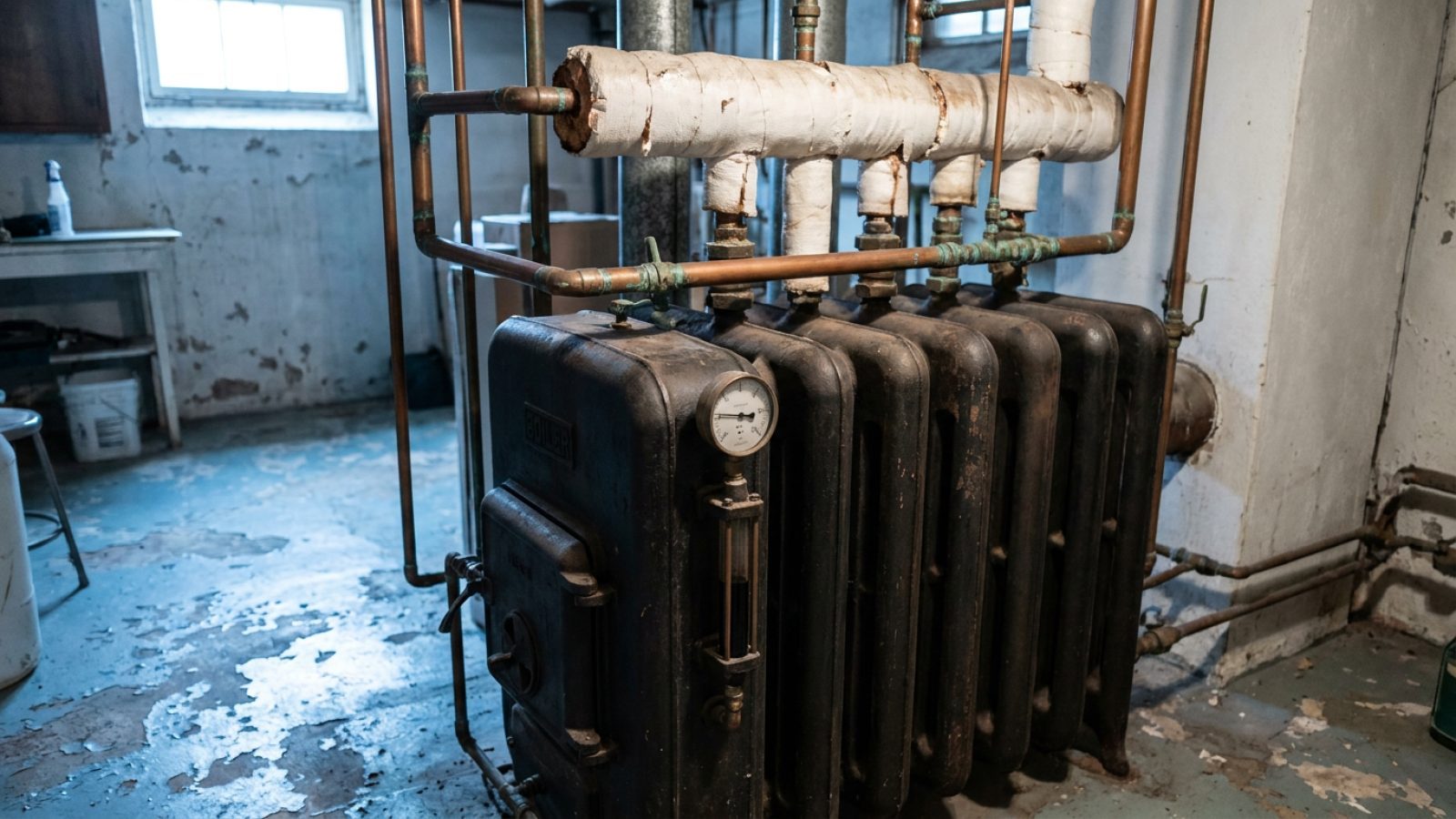
What to ask for on Boiler Installation in Jersey City
- Steam is sized from connected radiation, not heat loss
- Near-boiler piping follows the manufacturer diagram or it carries water
- Venting, condensate and orphaned water heaters belong on the quote
- Ask whether the contractor actually works on steam
- Licensed & insured We match you with contractors who hold current licensing and cover.
- Know what to ask Every page says what decides the price, so you can judge a quote.
- Free to use We never charge you. Compare quotes and walk away at any point.
- Same-day reply Inquiries answered the day they arrive, usually within a couple of hours.
How it works
Three steps, no obligation at any of them.
-
1
Call and tell us what is wrong
Describe the problem and give us your ZIP code. We match you with a licensed HVAC contractor covering your area — there is nothing to fill in and nothing to pay us.
-
2
A local contractor gets in touch
A licensed HVAC professional contacts you to discuss the problem and arrange a visit in Jersey City. What they charge to attend or diagnose is theirs to set, so agree it with them up front.
-
3
You decide
Book the work, wait a season, or get a second quote. There is no obligation to go ahead with the contractor we introduce you to, and nothing to pay us either way.
What these repairs look like
Illustrative examples of the work described here. More in our disclaimer.
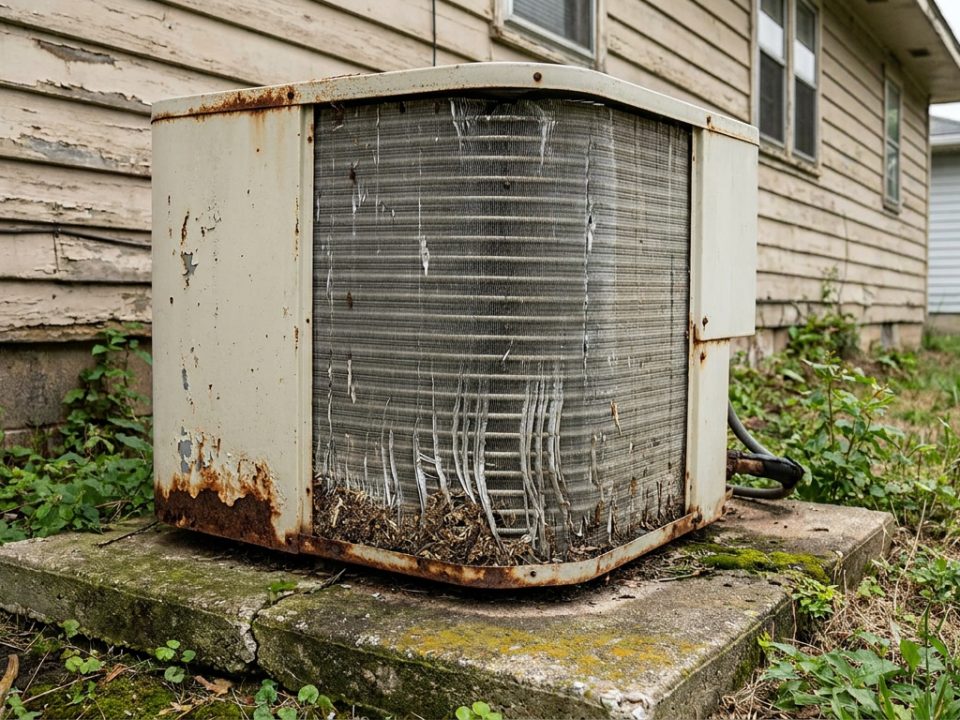
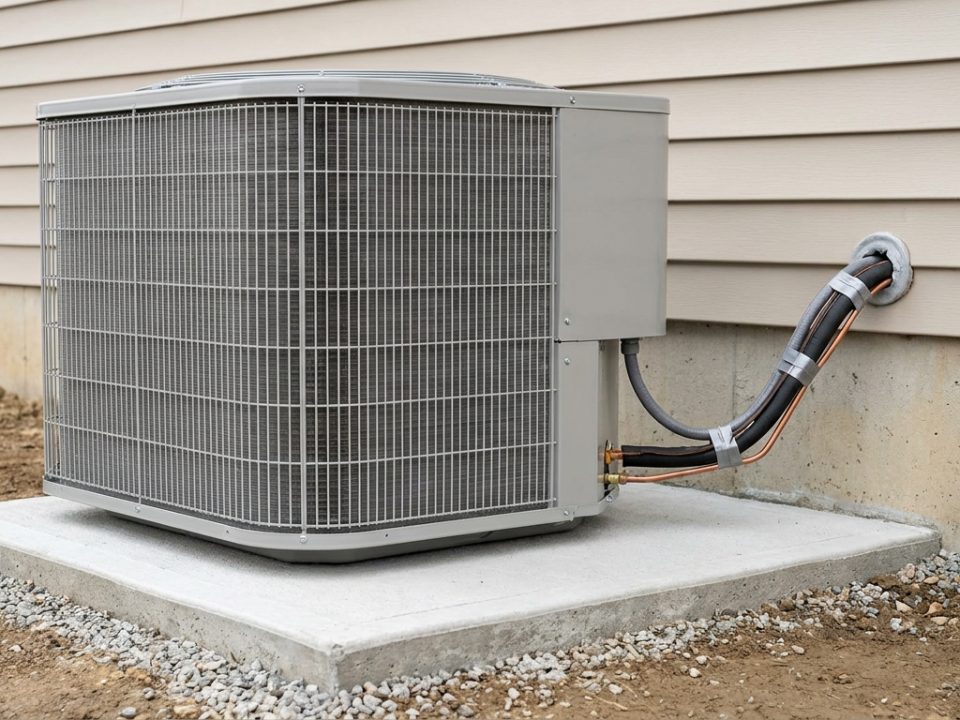
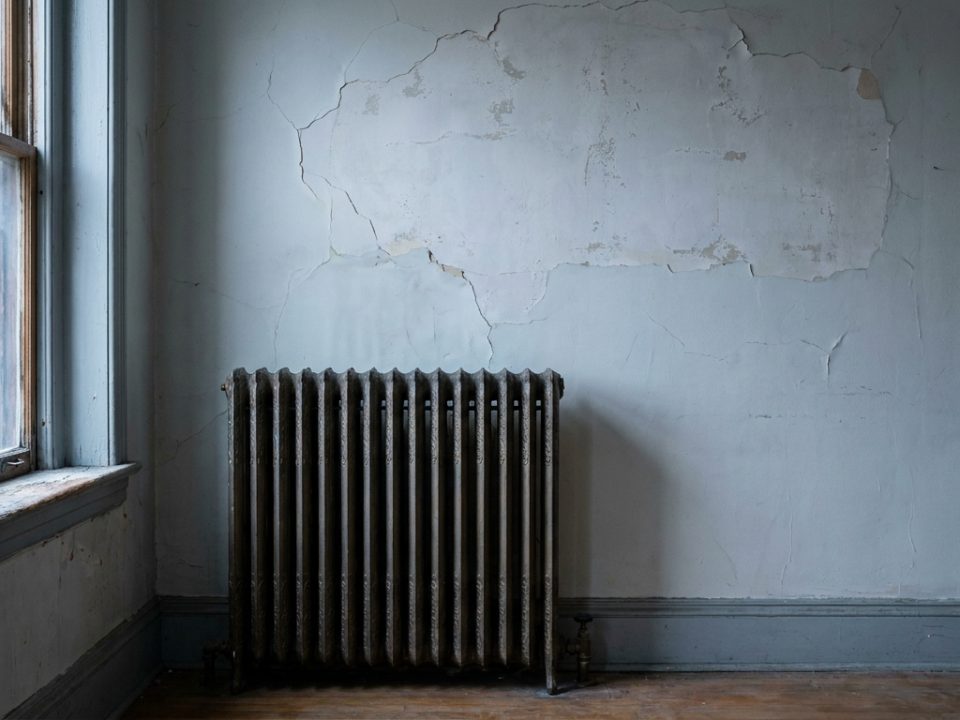
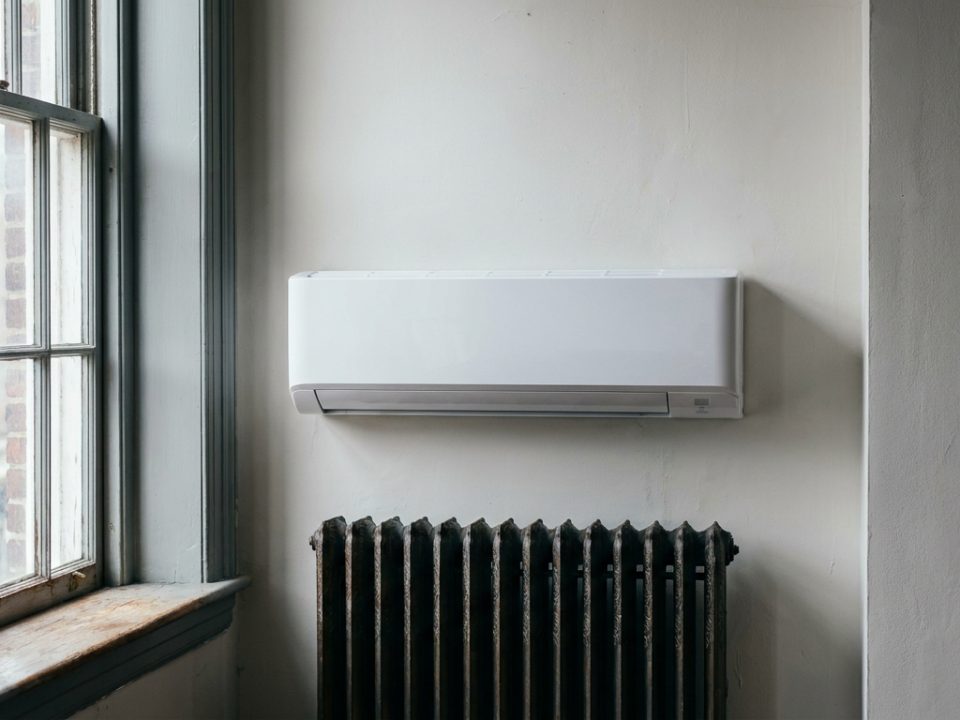
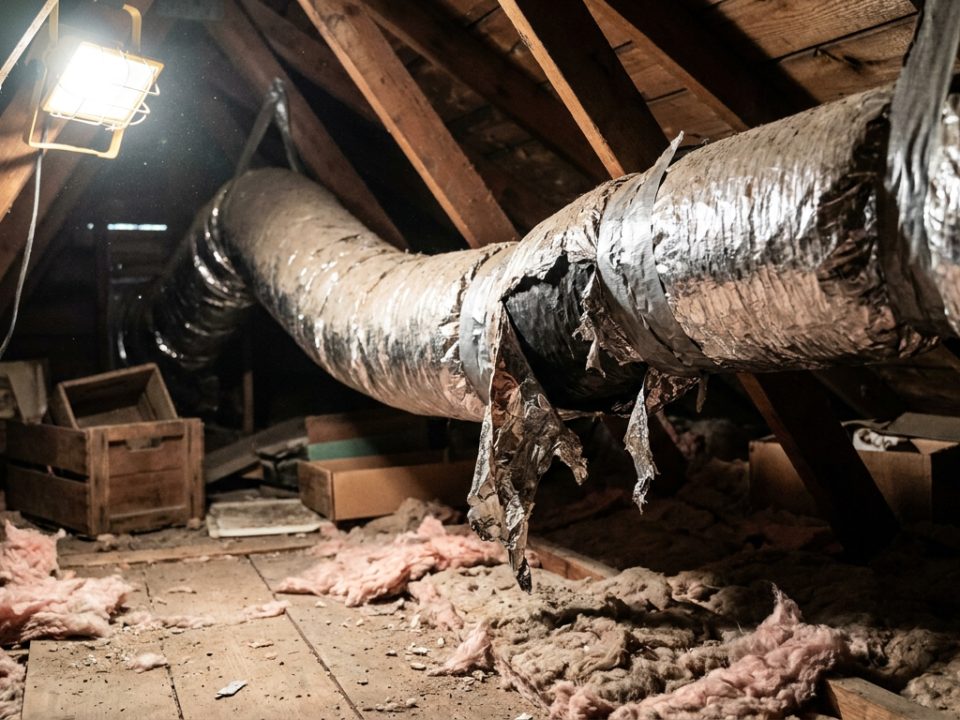
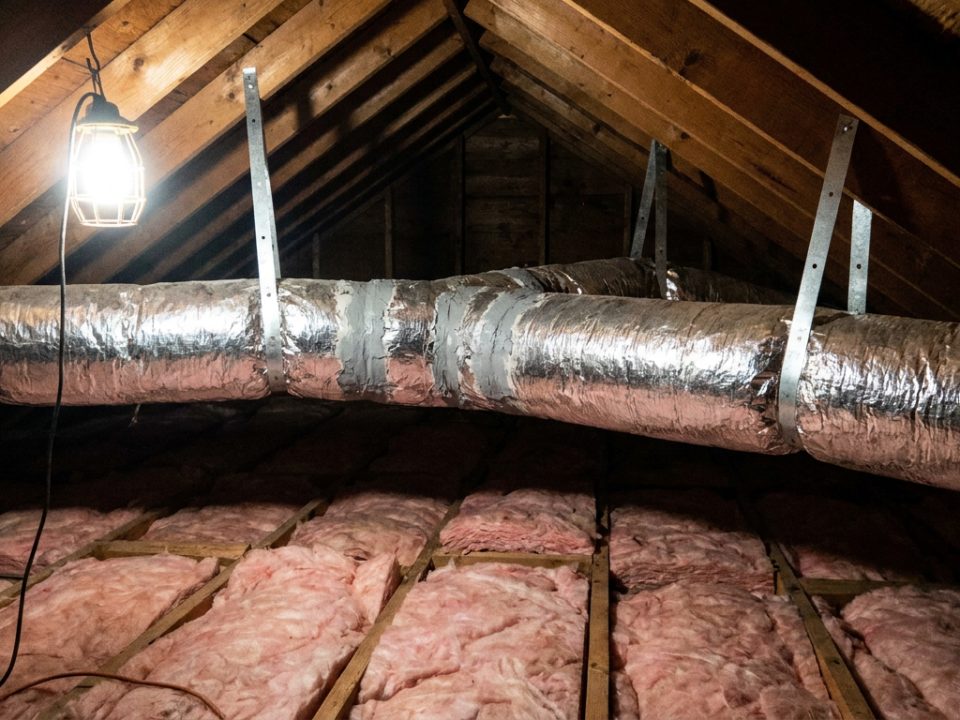
Boiler Installation in Jersey City
Two things shape HVAC work in Jersey City: the age of the building stock, and a climate that swings far enough to make both halves of the system work hard. Equipment is rarely the constraint here — fitting it to a house that was not designed for it is.
About 30% of homes in Jersey City were built before 1940 — old enough to have been built with radiators and no ductwork at all; 64% of them heat with natural gas, so furnace and boiler work is the bulk of what comes up here. (US Census ACS 2022)
Steam is sized differently, and this is where installs fail
On a hot water system you size to the building's heat loss, as you would a furnace. On steam you do not. You size to the connected radiation — the total surface area of every radiator the boiler has to fill with steam.
This is not a technicality. A steam boiler sized by heat loss will be too small to fill the system, and no amount of running it harder fixes that.
Why oversizing is just as bad
Too large and it makes steam faster than the radiators can condense it, which produces short cycling, wasted fuel and pressure that the system was never meant to see. Steam heating runs at ounces of pressure, not pounds. A contractor proposing to raise pressure to cure uneven heat has misunderstood the system.
Near-boiler piping decides whether it works
The pipework immediately above the boiler separates water from steam. Manufacturers publish an exact diagram — header height, riser count, equalizer. Installers who treat it as a suggestion produce boilers that throw water into the mains, which causes hammering, wet steam and poor heat. It is the most common serious defect in a steam replacement and it is entirely avoidable.
Ask the question directly
Steam is a specialism. Ask how many steam systems the contractor installed last year. A firm that mostly fits forced air and takes steam work occasionally is not the same proposition, and on this system type the difference shows.
Hot water: sizing, condensing and controls
A more forgiving system, and one with more room to improve on what you had.
Size to heat loss, not to the old nameplate
The same argument as everywhere else, and it bites hard on boilers because they were so often massively oversized. A house that has been insulated and reglazed since 1975 may need half what is currently sitting in the basement.
Condensing boilers and return temperature
A modern condensing boiler only reaches its rated efficiency when the water coming back to it is cool enough to condense the flue gases. Fitted to a system designed for high temperatures and run at those temperatures, it will never condense and you have paid for efficiency you cannot access. Outdoor reset controls, which lower the water temperature in milder weather, are what make it work.
Zoning
Replacement is the natural moment to add zones, so bedrooms and living areas can run at different temperatures. Retrofitting it later means opening things up again.
The full guide: everything about boiler installation — how the job works, what decides the price, and the questions worth asking before you book — is on the service page. This page covers what is different about it in Jersey City.
Areas we cover in Jersey City
That includes properties near Apple Tree House, Barrow Mansion, Bergen-Lafayette and Central Railroad of New Jersey Terminal, and everywhere else in Jersey City.
Boiler Installation in Jersey City — FAQs
What size system does my Jersey City house need?
That comes from a load calculation on your actual house — floor area, insulation, window area and orientation, ceiling height, air leakage. It does not come from matching the old unit, which was frequently oversized when it was installed. Oversized cooling short-cycles and leaves a house cold and clammy rather than cool and dry.
Do heat pumps work through a Jersey City winter?
Cold-climate models do, holding useful output well below freezing, and most installations here keep a backup for the coldest stretches. What decides it is your current fuel cost against your electricity rate, and which New Jersey incentives you qualify for — the state Whole Home program and your electric utility stack, and the amounts change from year to year.
What qualifications should a Jersey City HVAC company have?
Ask for three things and check them: current liability insurance, the appropriate license for your municipality, and EPA Section 608 certification for anyone handling refrigerant. Ask to see the documents rather than taking the logo on the van as proof. For gas work in particular, licensing exists because the failure modes are carbon monoxide and fire.
Can you work on a rental or multi-family property in Jersey City?
Yes. Ask the contractor for the findings in writing so a landlord or managing agent can act on them. In apartment buildings the usual complication is what the building permits — which equipment, mounted where, and by whose contractor — so that is worth establishing before anything is ordered.
My Jersey City house is pre-war — what does that change?
A good deal. About 30% of homes in Jersey City were built before 1940 (US Census ACS 2023), which usually means radiators rather than ducts, and that decides most of what follows. Heating is a boiler question — venting, balancing, cold radiators — rather than a furnace one. Cooling has to arrive without ductwork, so ductless heads, PTACs or window units are the realistic options. And a high-efficiency replacement often leaves the water heater alone on a flue that is now far too large for it, which needs addressing at the same time rather than later.
My Jersey City home has electric heat — is a heat pump worth it?
Almost certainly, and this is the clearest case of the lot. Around 28% of Jersey City homes heat with electricity (US Census ACS 2023), and where that means resistance baseboards or wall heaters, a heat pump delivers several times as much heat for the same electricity — because it moves heat rather than making it. It also adds cooling, which baseboards do not. New Jersey stacks a state rebate with a utility one on this swap, and it is worth establishing which utility serves you before you price anything.
Can I put a smaller boiler in after insulating the house?
On hot water, yes — and you usually should, because the original was sized for the building as it was. On steam, no: sizing follows the connected radiation regardless of how well insulated the house now is, unless radiators are being removed too.
How long does a boiler replacement take?
Two to four days is typical. Longer where the old boiler has to be broken up to get it out, where near-boiler piping is being redone properly, or where venting changes.
Neighborhoods we cover in Jersey City
HVAC work across Jersey City and the areas around it.
- Apple Tree House
- Bergen-Lafayette
- Colgate Clock Landmark
- Empty Sky Memorial
- Grove Street PATH Station
- Harsimus Cemetery
- Historic Albuquerque Old Town
- Historic Sandia Peak Tramway
- Hudson River Waterfront Plaza
- Jersey City Waterfront Walkway
- Journal Square
- Katyn Memorial
- Liberty State Park Boarding Ground
- Mana Contemporary
- Newport
- Petroglyph National Monument
- Powerhouse Arts
- The Waterfront
Other HVAC services in Jersey City
- Emergency HVAC Repair
- AC Repair
- AC Installation
- Ductless Mini-Split Installation
- PTAC Repair and Replacement
- Through-the-Wall AC Installation
- Furnace Repair
- Furnace Installation
- Boiler Repair
- Heat Pump Installation
- Oil to Gas Conversion
- HVAC Maintenance and Tune-Ups
- Ductwork Repair and Sealing
- Air Duct Cleaning
- Indoor Air Quality
- Coastal HVAC Corrosion Protection