224 cities and towns covered
Coastal HVAC Corrosion Protection at the Jersey Shore
A condenser two blocks from the ocean fails at eight to twelve years where the identical unit twenty miles inland runs past fifteen. The countermeasures are unglamorous, cheap, and they work — and one popular one makes it worse.
Leave the building and call from outside — that is an emergency services call, not a service call. A yellow burner flame or headaches that clear when you leave the house point the same way. For no heat in freezing weather, call rather than read on: the risk there is frozen pipes rather than comfort, and it arrives within hours.
Call about coastal protection
(949) 703-2282Free to use, and there is nothing to pay us. You are never committed to going ahead.
What happens when you call
- You describe the problem and where you are.
- We put you in touch with a licensed contractor covering that area.
- They arrange the visit and agree the price with you directly.
Worth having to hand
- Roughly how old the system is
- What it is doing — or not doing
- Your ZIP code
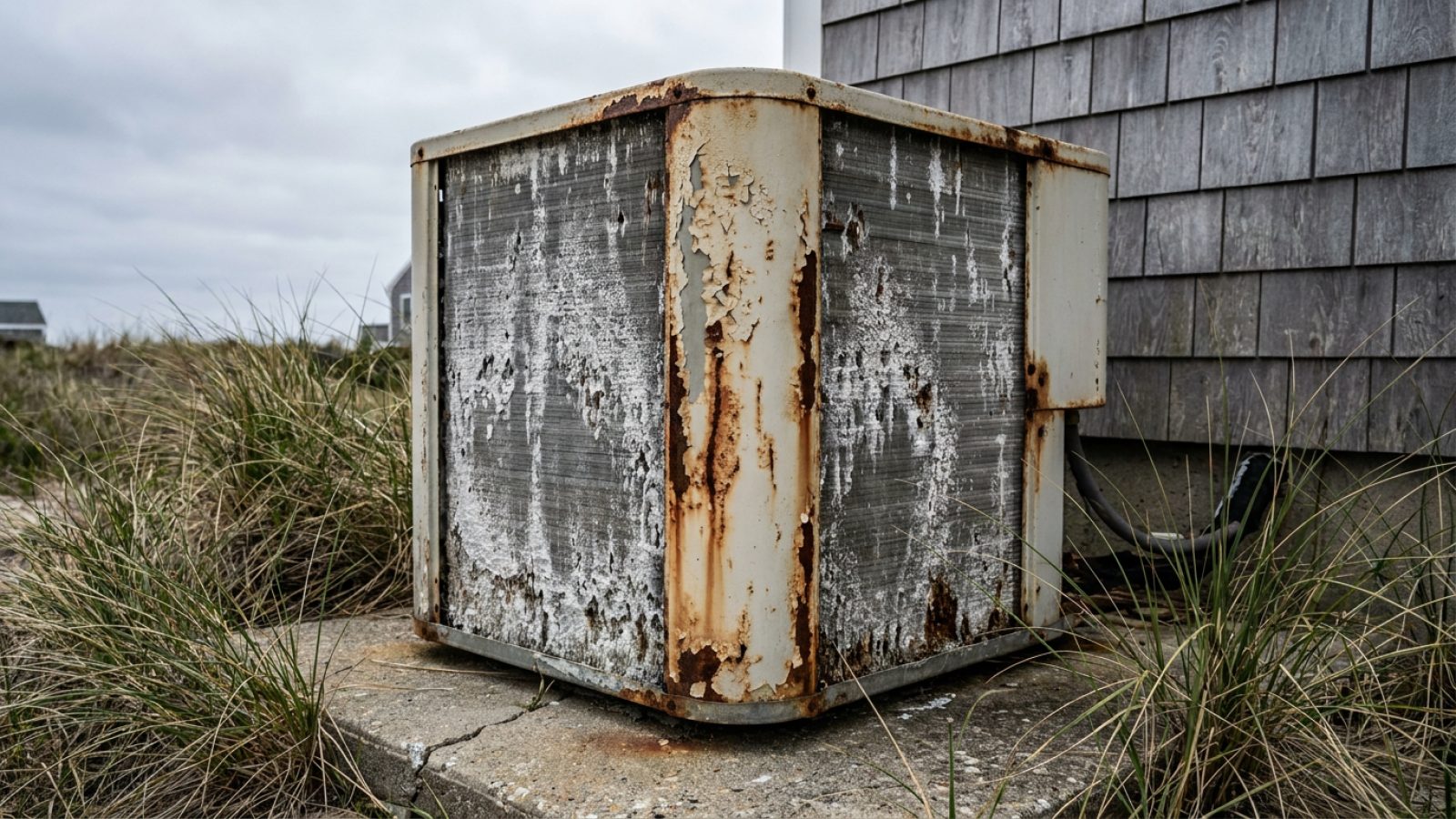
What to ask for on Coastal HVAC Corrosion Protection
- Salt attacks the coil first, and it presents as a refrigerant leak
- A freshwater rinse a few times a season genuinely extends life
- Specify a coated or corrosion-resistant coil at replacement
- A fitted cover left on traps moisture against the fins
- Licensed & insured We match you with contractors who hold current licensing and cover.
- Know what to ask Every page says what decides the price, so you can judge a quote.
- Free to use We never charge you. Compare quotes and walk away at any point.
- Same-day reply Inquiries answered the day they arrive, usually within a couple of hours.
How it works
Three steps, no obligation at any of them.
-
1
Call and tell us what is wrong
Describe the problem and give us your ZIP code. We match you with a licensed HVAC contractor covering your area — there is nothing to fill in and nothing to pay us.
-
2
A local contractor gets in touch
A licensed HVAC professional contacts you to discuss the problem and arrange a visit. What they charge to attend or diagnose is theirs to set, so agree it with them up front.
-
3
You decide
Book the work, wait a season, or get a second quote. There is no obligation to go ahead with the contractor we introduce you to, and nothing to pay us either way.
What these repairs look like
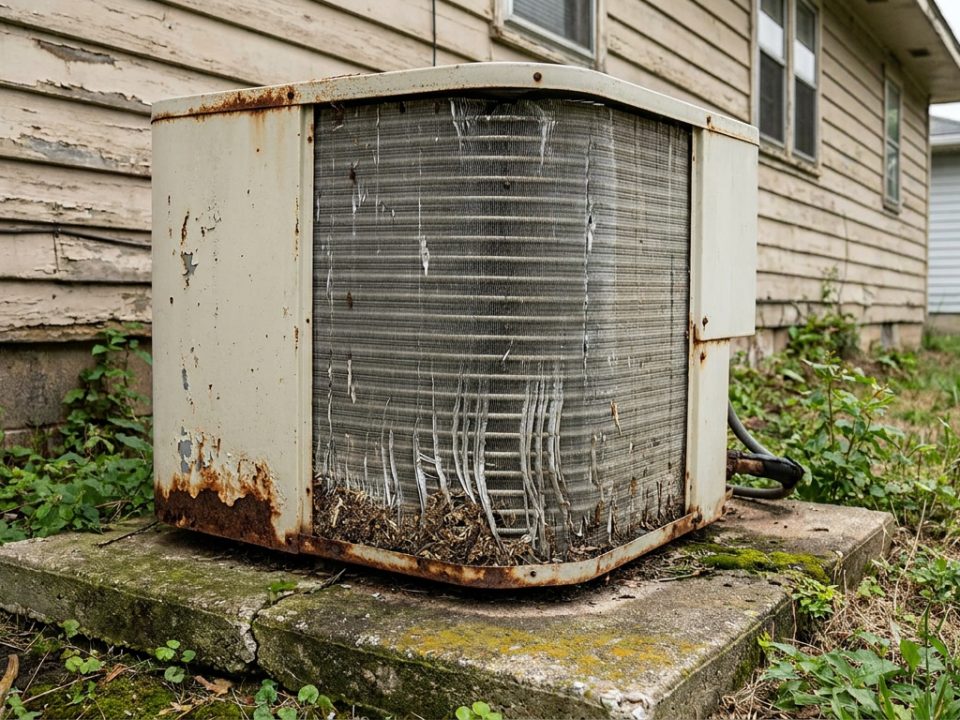
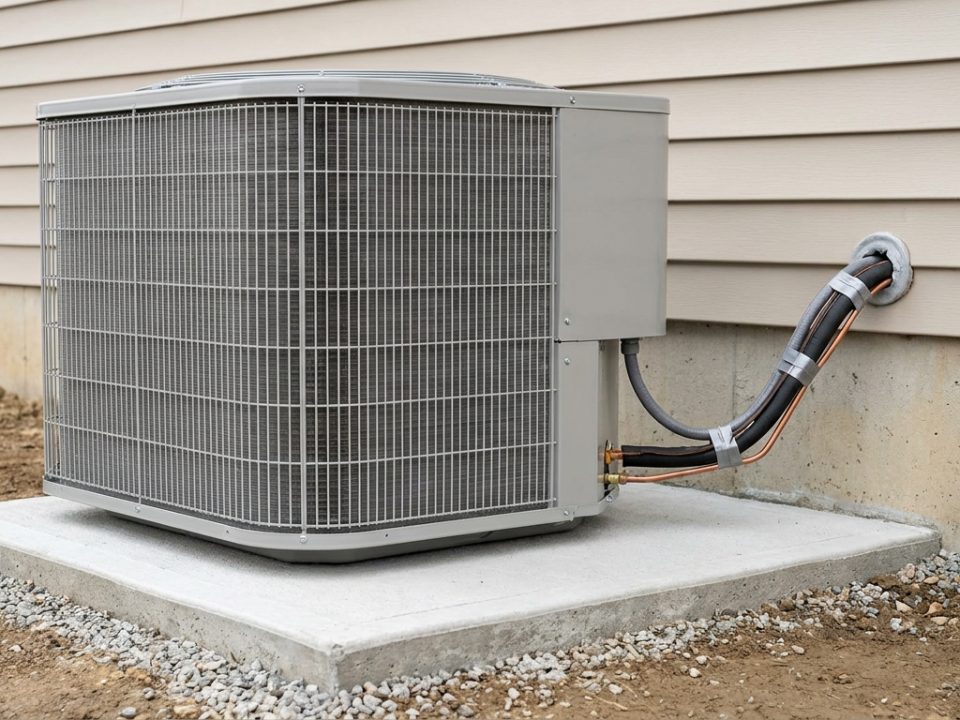
Illustrative examples of the work described here. More in our disclaimer.
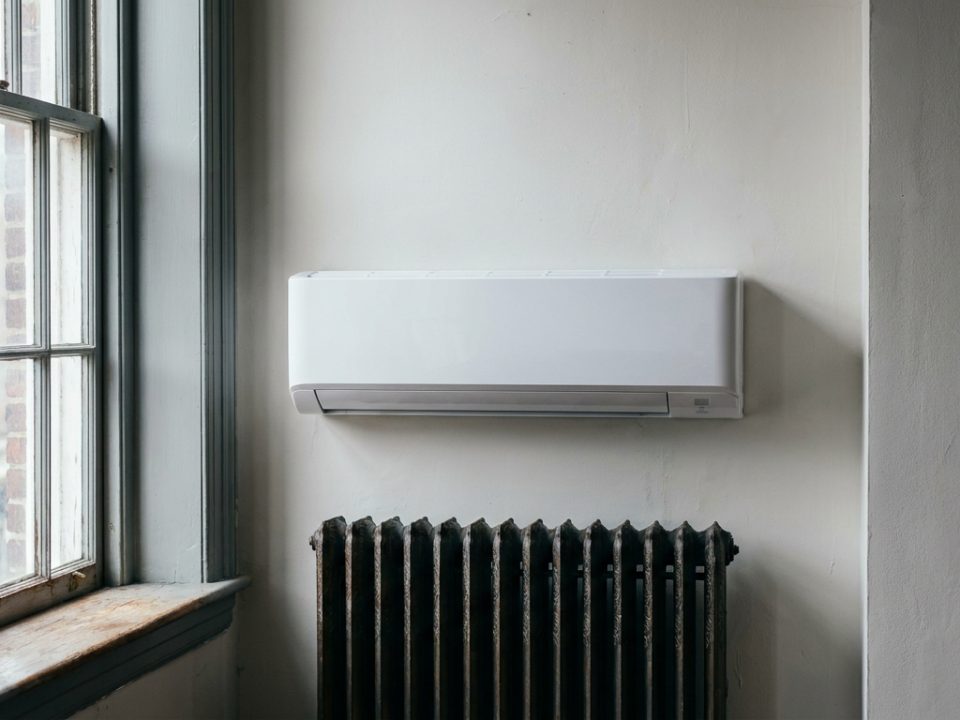
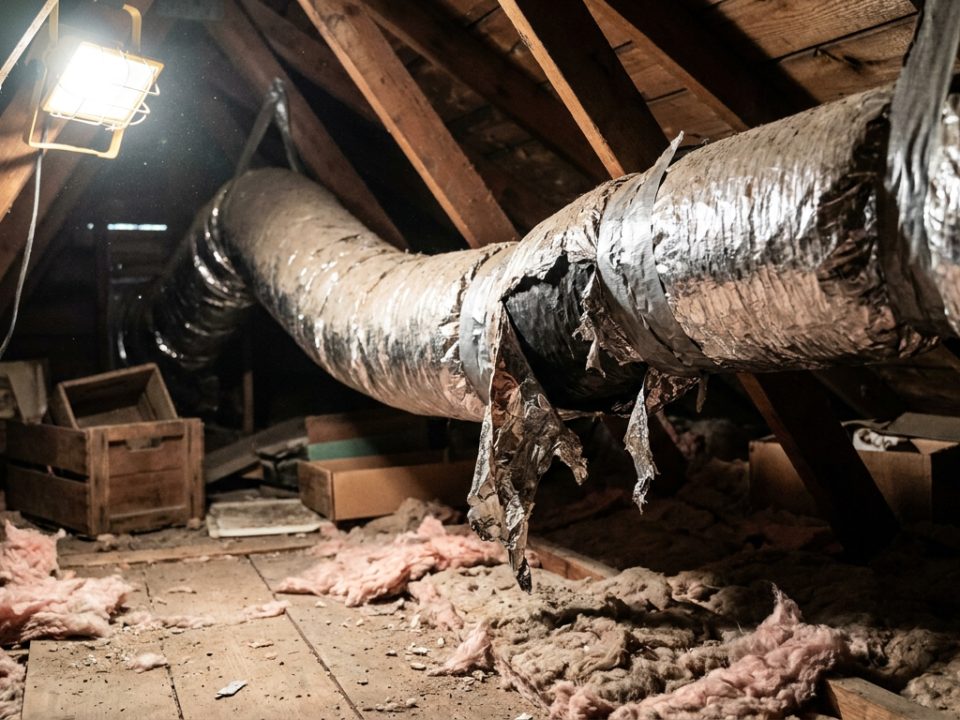
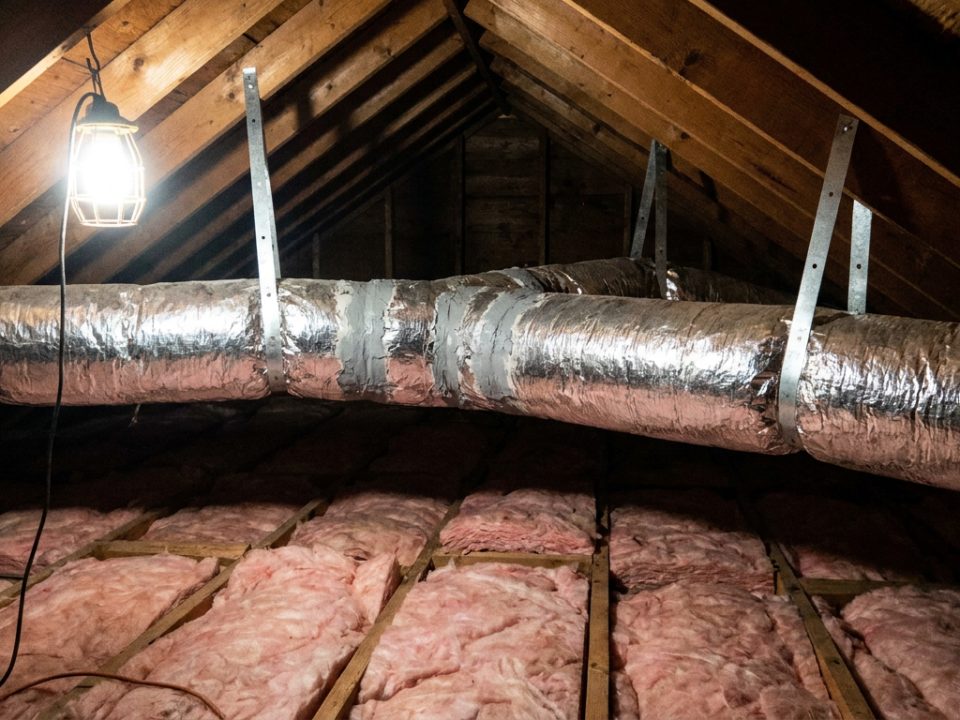
What salt actually does to a condenser
Sea air carries chloride, and chloride is aggressive toward the aluminum fins and copper tubing that make up a condenser coil. It attacks the joint between them preferentially — galvanic corrosion between two dissimilar metals in the presence of salt and moisture.
The coil is the part that fails, and it fails from the outside in, which is why a shore system can look fine and still be finished.
Why it presents as a refrigerant leak
Corrosion eventually perforates the thin aluminum at the fin-to-tube joint and the charge escapes. The owner experiences a system that cools progressively less well through a season and then stops. A technician finds it low on charge. Both are true, but the cause is the air — and adding refrigerant to a corroded coil is money into something that will leak again within months.
How close is close
Exposure falls off with distance from the water but not sharply, and prevailing wind matters as much as raw distance. On the barrier islands — Ocean City, the Wildwoods, Long Beach Island, Brigantine — assume heavy exposure. Along the bayfront and within a couple of miles inland, assume moderate. Manufacturers publish corrosion warranties that quietly reflect this.
What actually helps
Three things make a measurable difference, and none of them are expensive.
Rinse the coil with fresh water
The single most effective thing a shore homeowner can do. Salt deposits accumulate on the fins and stay there, working continuously. Rinsing them off several times through the season interrupts that. Switch the power off at the disconnect first, then use a garden hose from the inside of the coil outward — never a pressure washer, which folds the fins flat and does more harm than the salt.
Specify the coil properly at replacement
Coated coils, and all-aluminum microchannel designs that remove the dissimilar-metal joint entirely, both resist chloride attack far better than a standard copper-aluminum coil. The uplift at purchase is small measured against replacing a whole system years early. Ask specifically; it is rarely the default on a quote unless the contractor works the shore routinely.
Keep it clear, and keep it up
Clearance for airflow, and elevation where flooding is a risk. A unit that has sat in salt water once is compromised regardless of what it looks like afterwards.
The cover that makes it worse
This is the most common well-intentioned mistake at the shore, and it is worth being blunt about.
A full wrap traps moisture
A fitted vinyl cover pulled over the whole unit through the off-season keeps rain out and keeps humidity in. The fins stay permanently damp, salt already on them stays wet and active, and corrosion accelerates rather than pausing. It also makes an excellent winter home for rodents, which chew wiring.
If you cover anything, cover the top only
A lid that keeps leaves and debris out of the fan while leaving the sides completely open is the sensible version. Manufacturers generally say the unit does not need covering at all — it was designed to sit outside.
Seasonal properties need a start-up, not a wrap
A house shut from October to May is better served by a proper start-up before the season than by anything done to it over winter. Systems fail on the first hot weekend precisely because nothing has run since September, and that is a bad weekend to be looking for a technician on the shore.
Coastal HVAC Corrosion Protection — frequently asked questions
How much shorter is the life of a shore system?
Commonly eight to twelve years against fifteen-plus inland, though the spread is wide and depends heavily on how close you are, prevailing wind, and whether anyone ever rinsed it. A well-specified and maintained coastal unit can do considerably better than a neglected standard one.
Is a coated coil worth the extra?
At the shore, generally yes. The uplift is modest against the cost of replacing a system several years early, and it is the difference between a coil that survives the environment and one that is slowly consumed by it. Inland it is not worth paying for.
Should I cover my condenser over winter?
Not with a full wrap — it traps moisture against the fins and accelerates the corrosion it is meant to prevent, as well as inviting rodents. A top-only cover that leaves the sides open is fine. Most manufacturers say no cover is needed at all.
How often should I rinse it?
Several times through the season is a reasonable habit — more if you are on a barrier island or exposed to onshore wind. Power off at the disconnect first, garden hose from inside the coil outward, never a pressure washer.
My system flooded in a storm. Is it repairable?
Usually not, and it should not simply be dried out and restarted. Salt water in an outdoor unit or an indoor air handler compromises electrical components and bearings even when it runs afterwards. Have it assessed before it is powered up — and photograph everything for insurance before anything is moved.
Does salt air affect indoor equipment too?
Far less than the outdoor unit, which takes the brunt of it, but it is not zero — air handlers in unconditioned crawl spaces and garages near the water see salt-laden humid air as well. The coil and the electrical contacts are what to watch. The outdoor condenser is still where 90% of coastal corrosion failures happen.
Coastal HVAC Corrosion Protection near you
We cover cities and towns across New Jersey.
Coastal HVAC Corrosion Protection guides
Everything we have written on this job — costs, timing, and how to tell what you are actually looking at.