224 cities and towns covered
Heat Pump Installation in New Jersey
One system that heats and cools, and the one New Jersey subsidises hardest — the state Whole Home program and your electric utility stack by design. What decides whether it works is the specification, and that changes between Cape May and Sussex.
Leave the building and call from outside — that is an emergency services call, not a service call. A yellow burner flame or headaches that clear when you leave the house point the same way. For no heat in freezing weather, call rather than read on: the risk there is frozen pipes rather than comfort, and it arrives within hours.
Call about heat pump
(949) 703-2282Free to use, and there is nothing to pay us. You are never committed to going ahead.
What happens when you call
- You describe the problem and where you are.
- We put you in touch with a licensed contractor covering that area.
- They arrange the visit and agree the price with you directly.
Worth having to hand
- Roughly how old the system is
- What it is doing — or not doing
- Your ZIP code
What to ask for on Heat Pump Installation
- Ask which state and utility rebates you qualify for — they stack
- Cold-climate rating matters more in the northwest than at the shore
- A load calculation, not a match to the old nameplate
- Worth pricing against a like-for-like replacement every time
- Licensed & insured We match you with contractors who hold current licensing and cover.
- Know what to ask Every page says what decides the price, so you can judge a quote.
- Free to use We never charge you. Compare quotes and walk away at any point.
- Same-day reply Inquiries answered the day they arrive, usually within a couple of hours.
How it works
Three steps, no obligation at any of them.
-
1
Call and tell us what is wrong
Describe the problem and give us your ZIP code. We match you with a licensed HVAC contractor covering your area — there is nothing to fill in and nothing to pay us.
-
2
A local contractor gets in touch
A licensed HVAC professional contacts you to discuss the problem and arrange a visit. What they charge to attend or diagnose is theirs to set, so agree it with them up front.
-
3
You decide
Book the work, wait a season, or get a second quote. There is no obligation to go ahead with the contractor we introduce you to, and nothing to pay us either way.
What these repairs look like
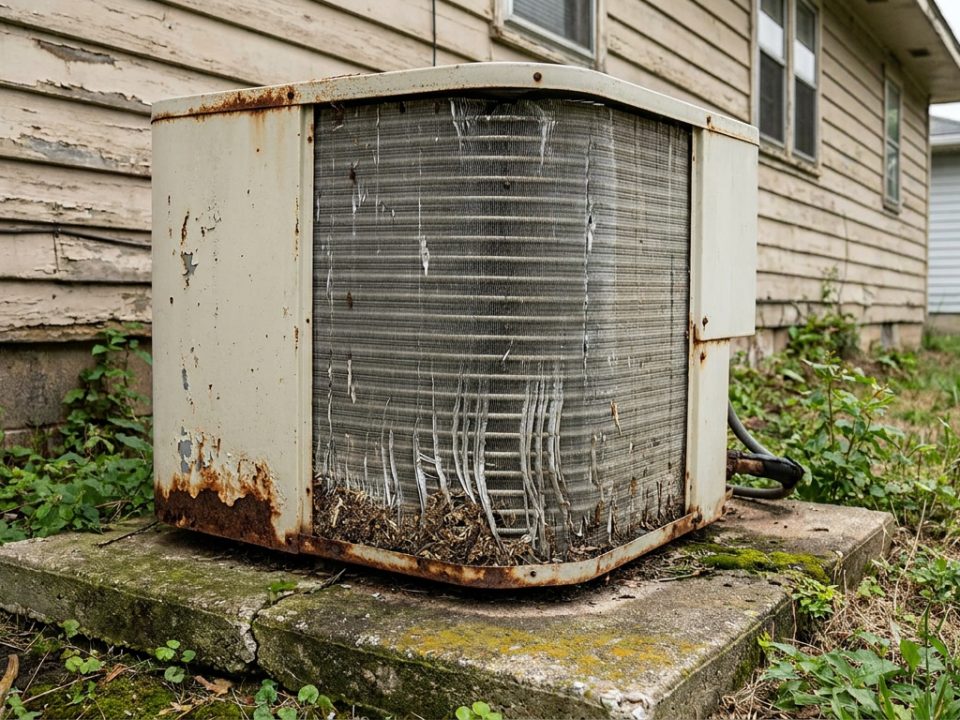
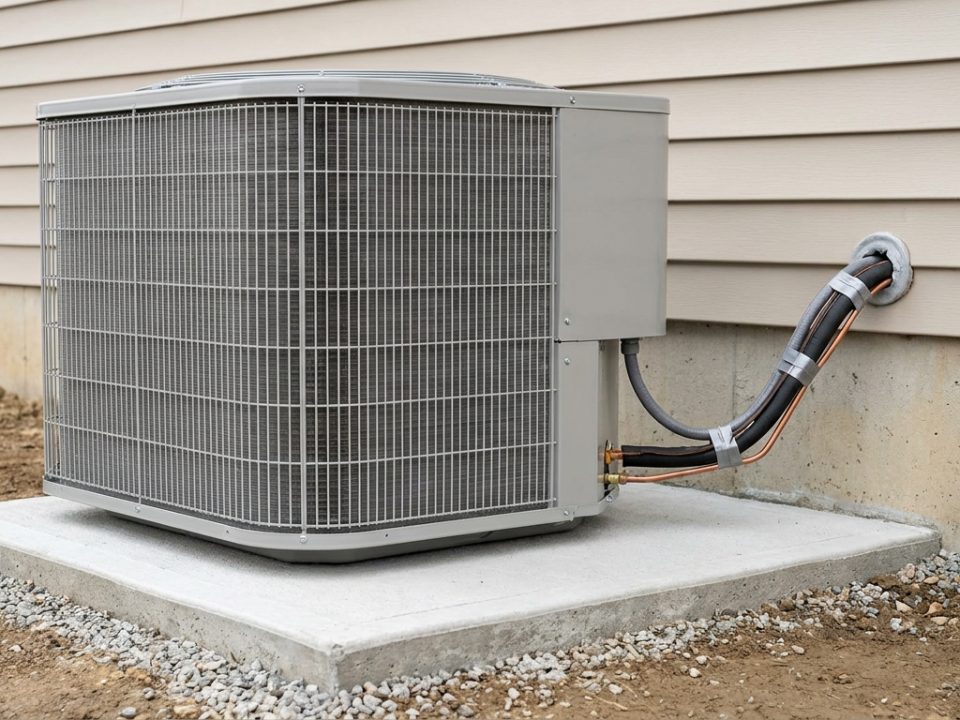
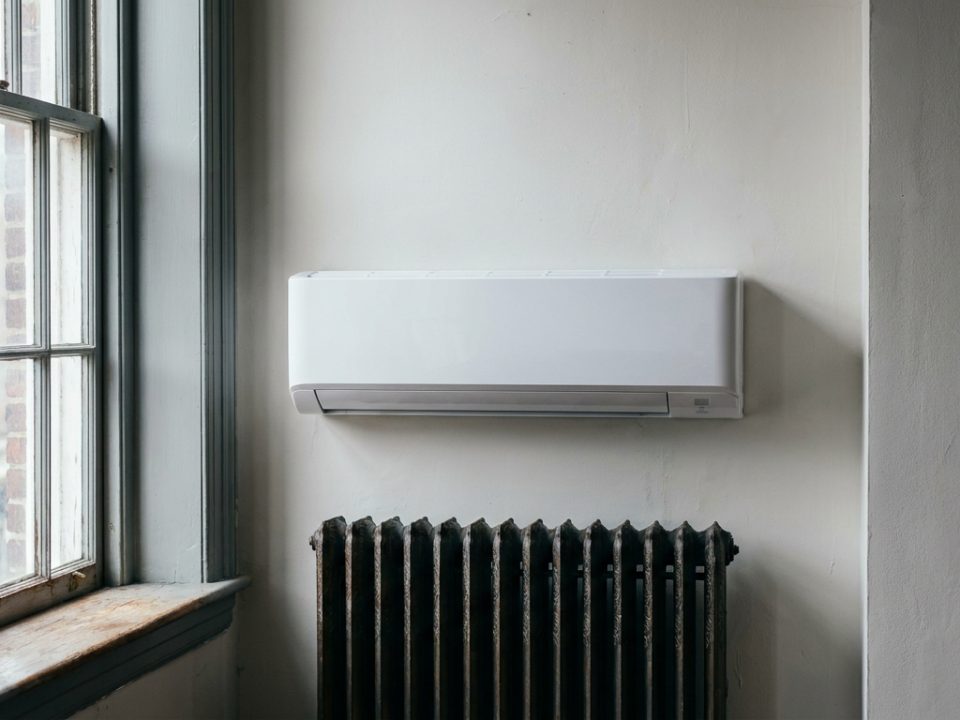
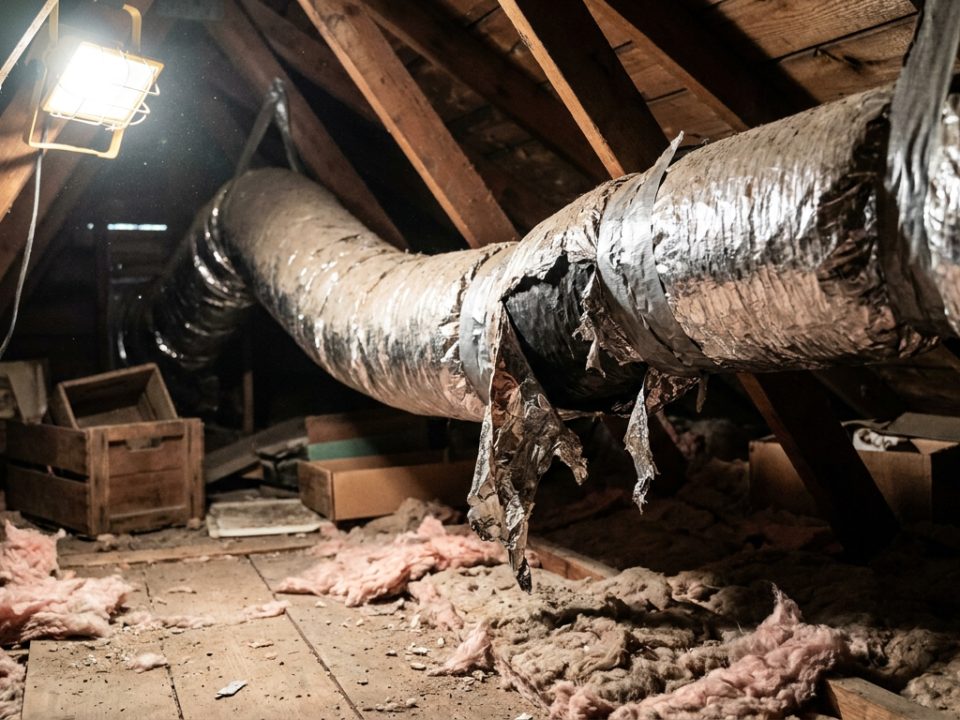
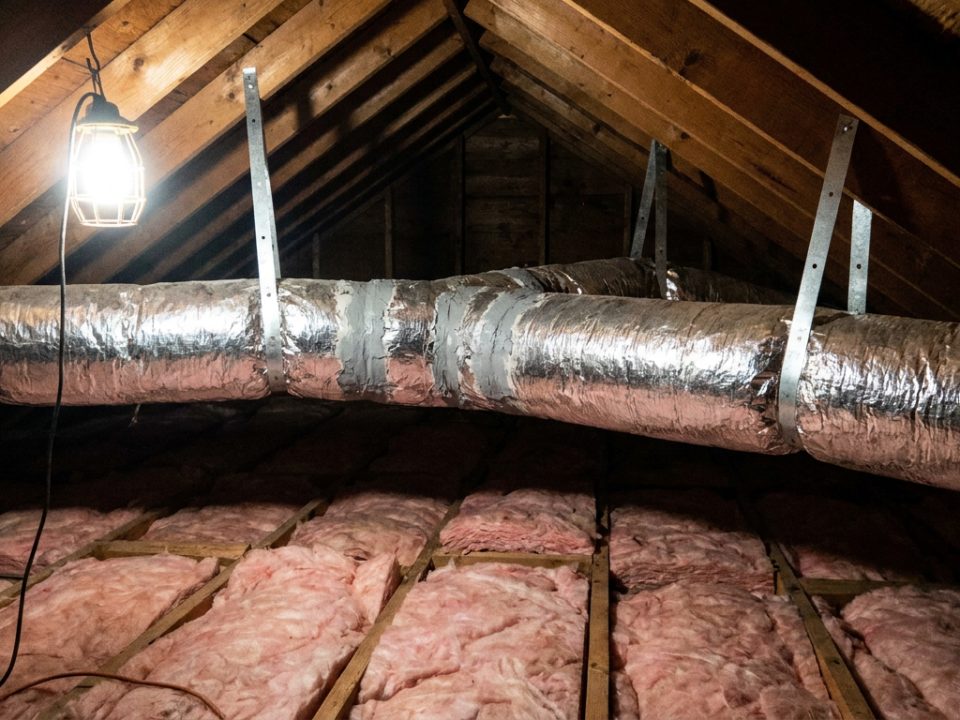
Illustrative examples of the work described here. More in our disclaimer.
What a heat pump actually is
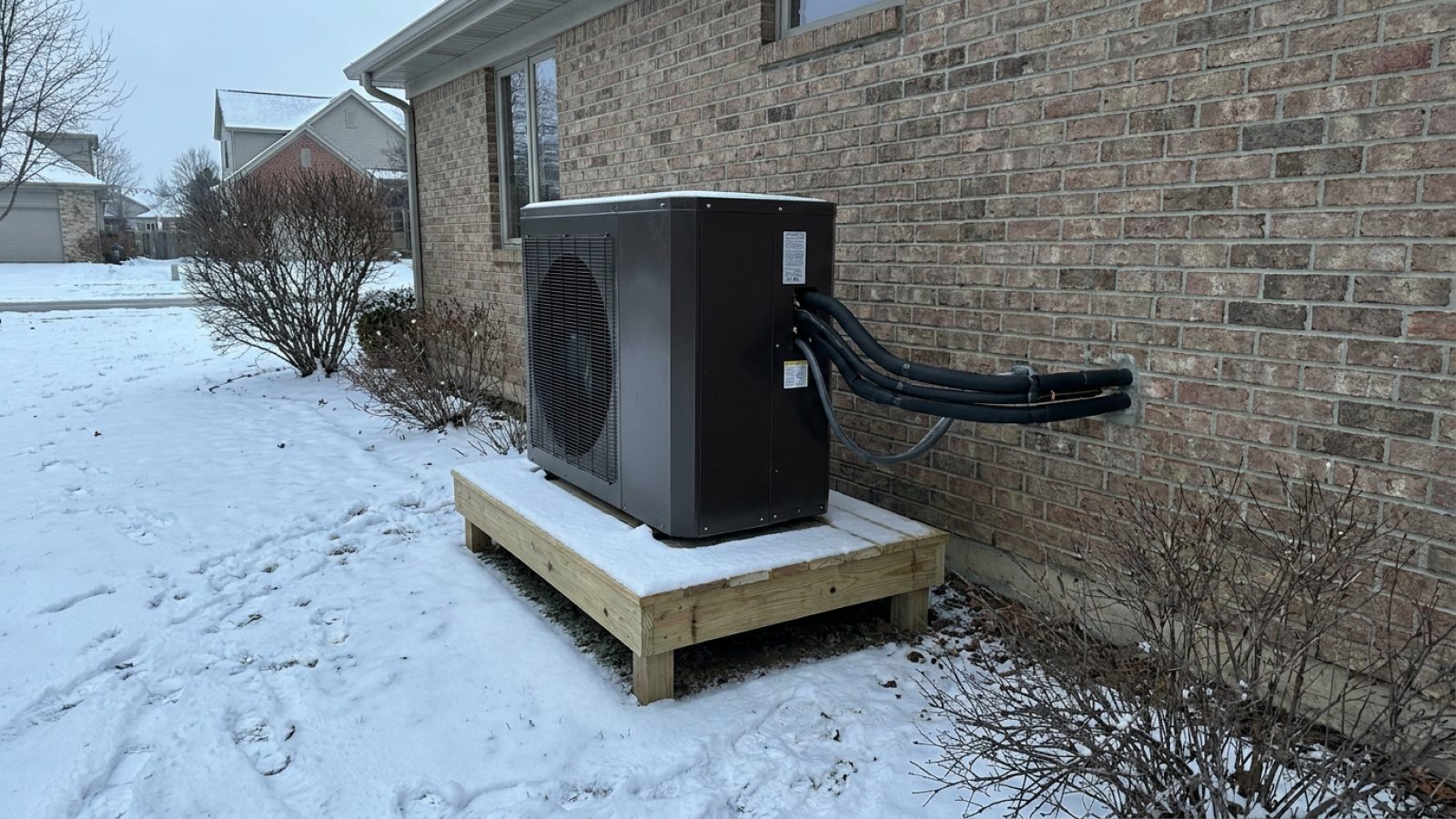
A heat pump is an air conditioner that also runs in reverse. In summer it moves heat out of the house, exactly as central air does. In winter it runs the cycle backwards and moves heat from the outside air into the house — and there is usable heat in air well below freezing, which is the part people find counter-intuitive.
Because it moves heat rather than making it, it delivers more energy than it consumes. That is the whole economic argument, and it is why the incentives exist.
Ducted or ductless
If the house already has ductwork in reasonable condition, a ducted heat pump replaces the furnace and the condenser together. If it does not — and much of northern New Jersey does not — a ductless system with wall or ceiling heads does the same job without a duct retrofit. The choice is usually made by the building rather than by preference.
What "cold-climate" means
A cold-climate model is engineered to hold capacity at low outdoor temperatures rather than collapsing toward its backup heat. The distinction is real and it is where the older reputation of heat pumps came from — units specified for a milder climate genuinely did struggle. Ask for the rated capacity at 5°F, not just the nominal tonnage.
Where in New Jersey you are changes the specification
This is not marketing. Design temperature — the figure a system is sized against — varies meaningfully across a state this shape.
The northwest highlands
Morris, Sussex and Warren run several degrees colder than the shore, and a unit that is comfortable in Cape May can spend January leaning on resistance backup in Hackettstown — which is expensive electricity. Cold-climate specification and a properly sized backup are not optional here. The upside is that plenty of these houses have no gas main at all and are burning propane or oil, which makes the running-cost case unusually strong.
The shore and the south
Milder winters and a cooling-dominated year make this the easiest part of the state for a heat pump. The constraint is salt: specify a corrosion-resistant outdoor unit within a few miles of the water, and plan a freshwater rinse into the maintenance routine.
The dense north
Hudson, Essex and the older Bergen and Passaic housing rarely has ducts, so this is ductless territory. The practical constraints are where the outdoor unit can go and what the building permits — in a condo or co-op that is a board question before it is a technical one.
The money, and how the rebates stack
New Jersey runs one of the more generous programs in the country, and the layers are designed to combine rather than compete.
Figures move from year to year and eligibility depends on the property and the measured saving, so treat what follows as the shape of it rather than a quote.
The state layer
New Jersey's Whole Home program pays on measured total energy savings rather than a flat amount per unit — more saving, more rebate, up to a ceiling in the region of $7,500. That structure rewards doing the envelope work alongside the equipment, which is usually the right order anyway.
The utility layer, which differs by address
Your electric utility adds its own on top, and which one serves you changes the number — PSE&G, JCP&L, Atlantic City Electric and Rockland Electric all run separate programs with different amounts and different qualifying equipment lists. Establish which utility bills you before anyone quotes equipment, because it can change what is worth installing.
Financing and the federal credit
New Jersey has offered zero-interest financing on qualifying work, and federal energy credits may apply separately. A contractor who works this state regularly will know the current position better than any web page, including this one — ask them to show the numbers against your address.
What a good installation involves
The equipment is roughly half of it. The rest is what decides whether it performs.
A load calculation, not a nameplate match
The correct capacity comes from the house — square footage, insulation, glazing, orientation, air-tightness. Matching whatever is there now usually oversizes, because most existing equipment was oversized when it went in and the house has since been insulated and reglazed.
Backup heat, sized and controlled sensibly
Most installations keep some form of backup for the coldest hours. What matters is the changeover control — a system that hands over to resistance heat too eagerly will produce alarming electricity bills while working perfectly.
Ductwork, if it is being reused
Heat pumps move a larger volume of air at a lower temperature than a furnace does. Ductwork sized for a furnace is frequently undersized for the same capacity of heat pump, and reusing it without checking is a common reason a new system underperforms.
Heat Pump Installation — frequently asked questions
Do heat pumps actually work in a New Jersey winter?
For most of the state, yes, with a cold-climate model that is properly sized and has sensible backup. The old objection was fair about older equipment; modern cold-climate units hold useful capacity well below freezing. The specification matters far more in Sussex than in Cape May.
How much are the New Jersey rebates?
The state Whole Home program pays on measured energy savings up to a ceiling around $7,500, and your electric utility stacks its own on top — the amount depends on whether PSE&G, JCP&L, Atlantic City Electric or Rockland Electric serves you. Amounts and rules change from year to year, so confirm current figures against your address before committing.
Can a heat pump replace both my furnace and my air conditioner?
That is the usual arrangement — one system doing both jobs, replacing two. Whether the furnace is removed entirely or kept as backup depends on the fuel, the climate zone you are in and what the running-cost comparison looks like at your utility rates.
Will it cost more to run than my gas furnace?
It depends on your gas and electricity rates and how cold your part of the state gets. Against oil or propane — which is the situation across much of Morris, Sussex and Warren — a heat pump usually wins clearly. Against cheap natural gas in a mild winter the margin is narrower. Ask for the comparison run against your actual bills.
How long does installation take?
A straightforward ducted changeover is typically a day or two. Ductless with several heads runs longer because each head needs a line set routed to it. Utility and permit steps can add calendar time even when the work itself is short.
Do I need to upgrade my electrical panel?
Sometimes, and it is worth establishing early because it affects the budget. Older New Jersey housing with a 100-amp service may need an upgrade to carry a heat pump plus backup heat. A competent installer checks this before quoting rather than after.
Should I choose a ducted or ductless heat pump?
The building usually decides. If there is existing ductwork in reasonable condition, a ducted heat pump replaces the furnace and condenser together. If there is none — which describes much of Hudson, Essex, Passaic and the older Bergen housing — ductless avoids a destructive retrofit and generally delivers a better result. Ducts sized for a furnace are often undersized for the same capacity of heat pump, so existing ductwork should be checked rather than assumed.
How much electricity does a heat pump use?
Less energy than it delivers as heat, which is the whole point — it moves heat rather than making it. What that costs depends on your electricity rate and how cold your part of New Jersey gets. The figure that ruins the arithmetic is time spent on electric resistance backup, so ask how the changeover is controlled and at what outdoor temperature it hands over.
Why is my heat pump blowing cold air in heating mode?
Usually a defrost cycle, which is normal — the outdoor coil ices in cold damp weather and the system briefly reverses to clear it, blowing cooler air for a few minutes. If it is persistent rather than periodic, suspect low refrigerant charge, a reversing valve fault, or a system that has locked into backup heat.
How long does a heat pump last in New Jersey?
Twelve to eighteen years inland with annual servicing, since it runs year-round rather than seasonally. Near the shore expect the shorter end unless the outdoor unit was specified for salt exposure and rinsed regularly.
Are mini-splits eligible for New Jersey rebates?
Ductless systems are air-source heat pumps and generally sit within the same programs, which matters in the older half of the state where ductless is the only practical route. Qualifying equipment lists are specific, so confirm the exact model against the current list rather than assuming the category qualifies.
What documents do I need to claim a New Jersey rebate?
Typically the invoice, equipment model and serial numbers, the AHRI certificate for the matched system, and any pre- or post-work energy assessment where the program pays on measured savings. In most cases the participating contractor files the claim, so ask who is submitting what before work starts.
Are rebates available for landlords and multifamily property?
Provision exists, though the route and the amounts frequently differ from the owner-occupier path, and income-qualified programs are a separate track again. If you own rental property, ask specifically about the multifamily route rather than assuming the residential answer applies.
Heat Pump Installation near you
We cover cities and towns across New Jersey.
Heat Pump Installation guides
Everything we have written on this job — costs, timing, and how to tell what you are actually looking at.
New Jersey Heat Pump Rebates in 2026: How the Layers Stack
How New Jersey heat pump incentives work in 2026 — the state Whole Home program, your utility rebate, and t…
Heat Pump or Gas Furnace in New Jersey?
Where in New Jersey you live, what you heat with now, and which utility serves you all change the answer. H…
Which New Jersey Utility Serves You, and Why It Changes Your Rebate
Four electric utilities serve New Jersey and each runs a different HVAC rebate program. How to find yours a…