224 cities and towns covered
Furnace Installation in New Jersey
Sizing comes from the house, not the old nameplate. And in most New Jersey homes a high-efficiency replacement changes where the exhaust goes — which leaves the water heater alone on a flue built for two appliances.
Leave the building and call from outside — that is an emergency services call, not a service call. A yellow burner flame or headaches that clear when you leave the house point the same way. For no heat in freezing weather, call rather than read on: the risk there is frozen pipes rather than comfort, and it arrives within hours.
Call about furnace installation
(949) 703-2282Free to use, and there is nothing to pay us. You are never committed to going ahead.
What happens when you call
- You describe the problem and where you are.
- We put you in touch with a licensed contractor covering that area.
- They arrange the visit and agree the price with you directly.
Worth having to hand
- Roughly how old the system is
- What it is doing — or not doing
- Your ZIP code
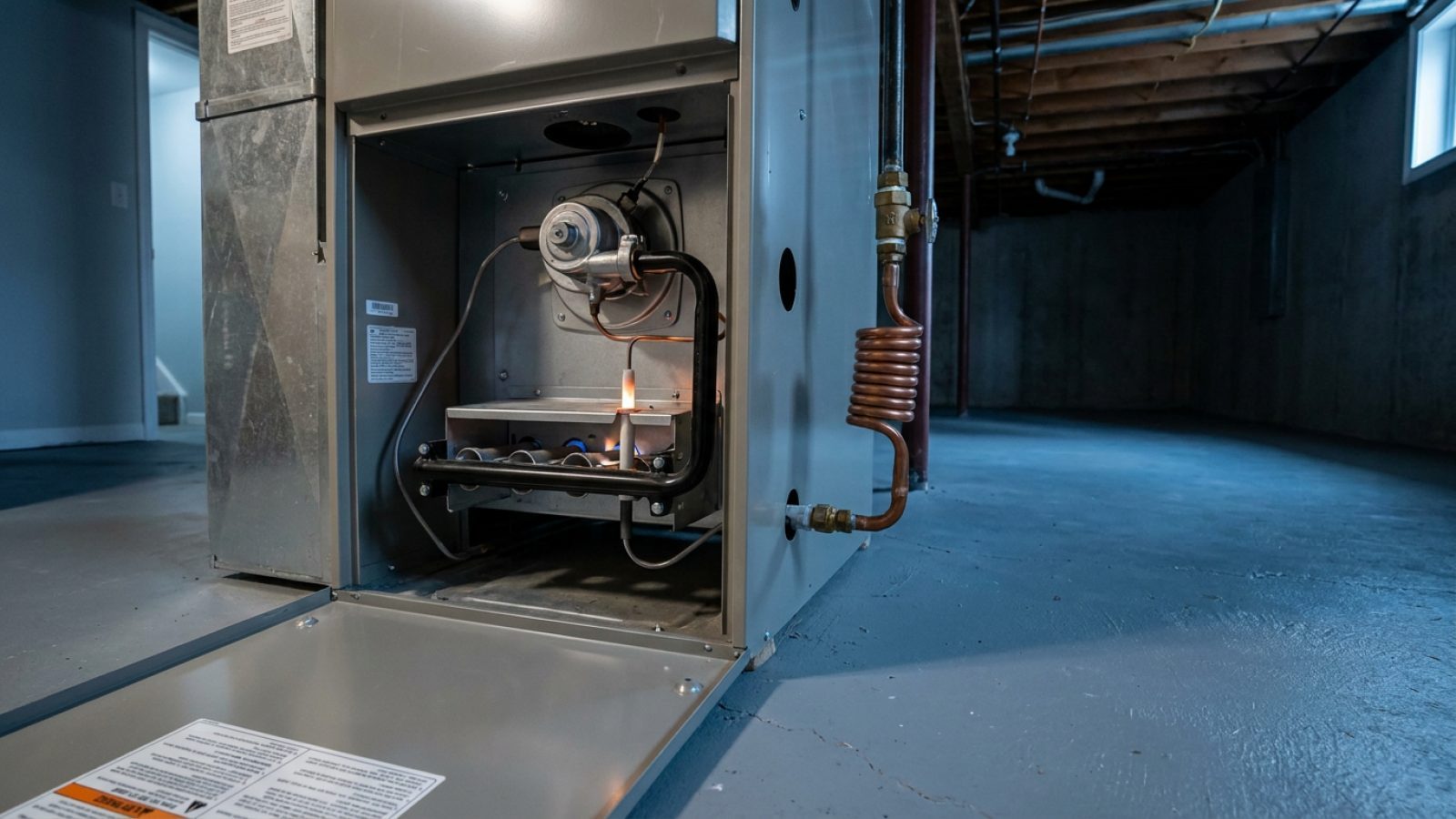
What to ask for on Furnace Installation
- Capacity from a load calculation, not the unit being removed
- Venting and combustion air belong on the quote
- Permits are the contractor's to pull where the town requires one
- Worth pricing a heat pump alongside every time
- Licensed & insured We match you with contractors who hold current licensing and cover.
- Know what to ask Every page says what decides the price, so you can judge a quote.
- Free to use We never charge you. Compare quotes and walk away at any point.
- Same-day reply Inquiries answered the day they arrive, usually within a couple of hours.
How it works
Three steps, no obligation at any of them.
-
1
Call and tell us what is wrong
Describe the problem and give us your ZIP code. We match you with a licensed HVAC contractor covering your area — there is nothing to fill in and nothing to pay us.
-
2
A local contractor gets in touch
A licensed HVAC professional contacts you to discuss the problem and arrange a visit. What they charge to attend or diagnose is theirs to set, so agree it with them up front.
-
3
You decide
Book the work, wait a season, or get a second quote. There is no obligation to go ahead with the contractor we introduce you to, and nothing to pay us either way.
What these repairs look like
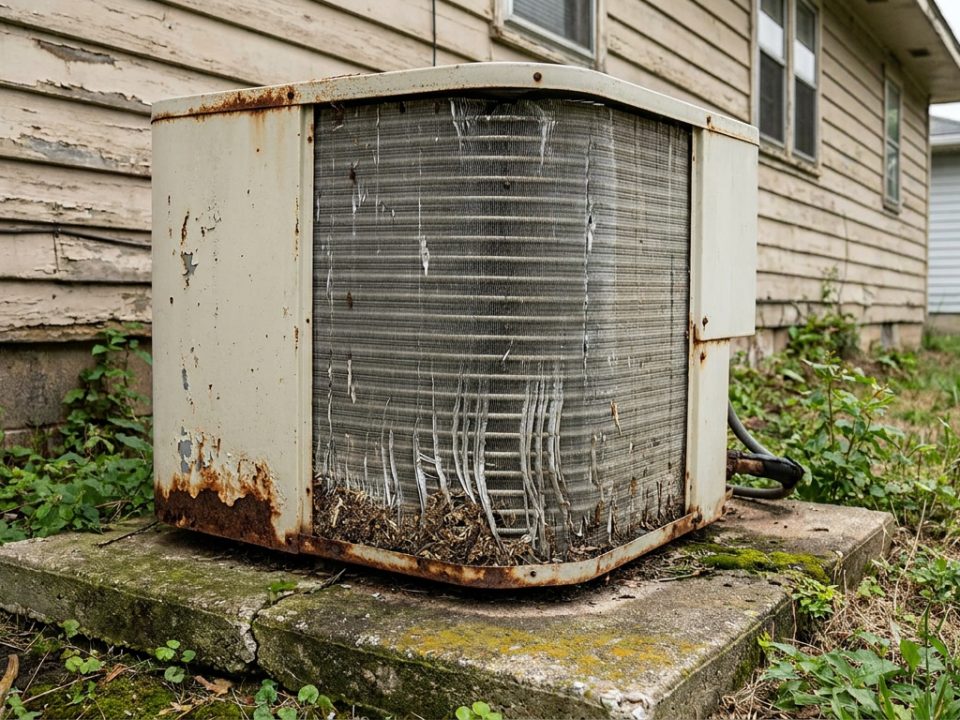
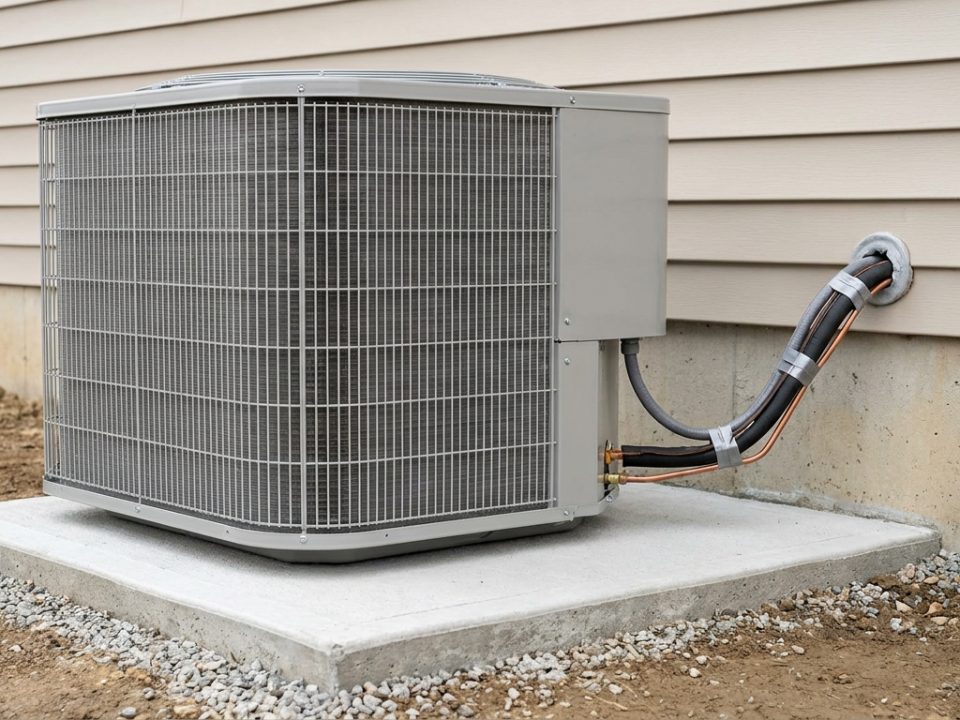
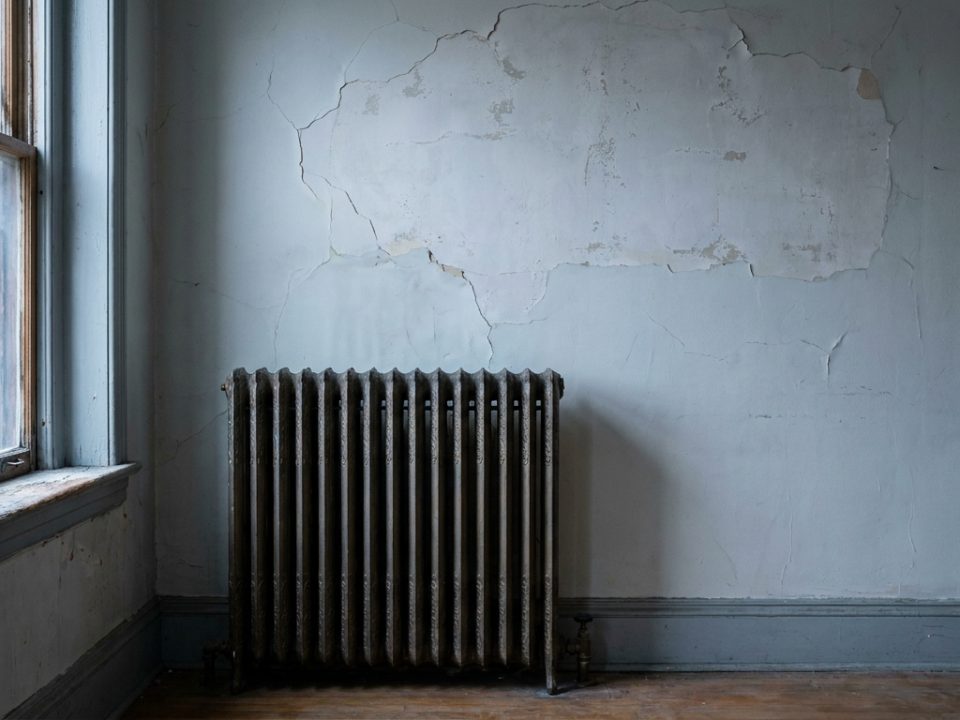
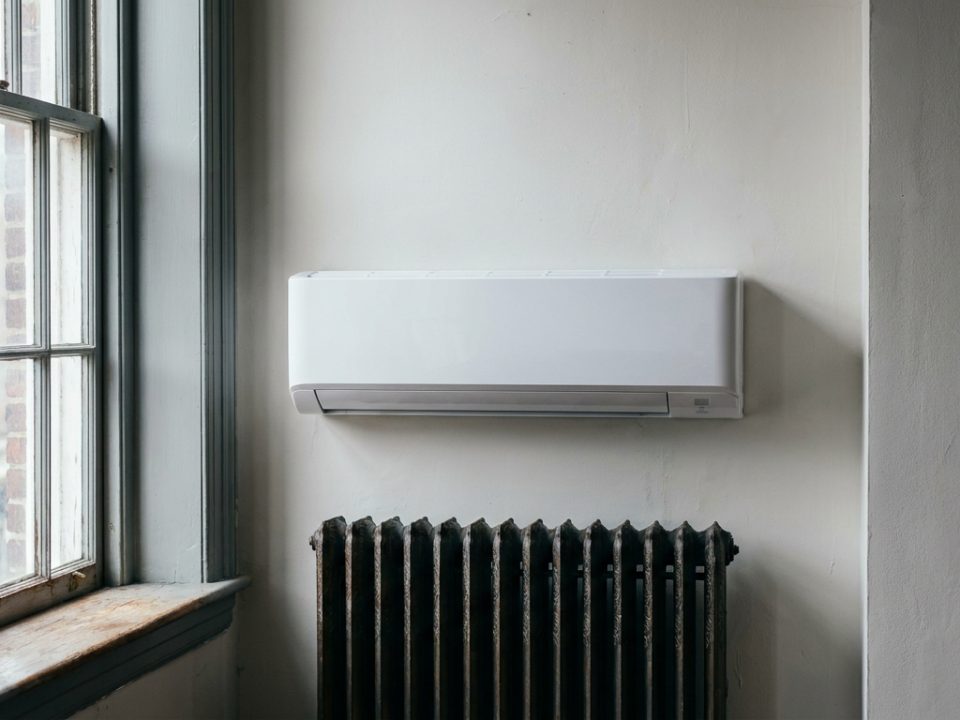
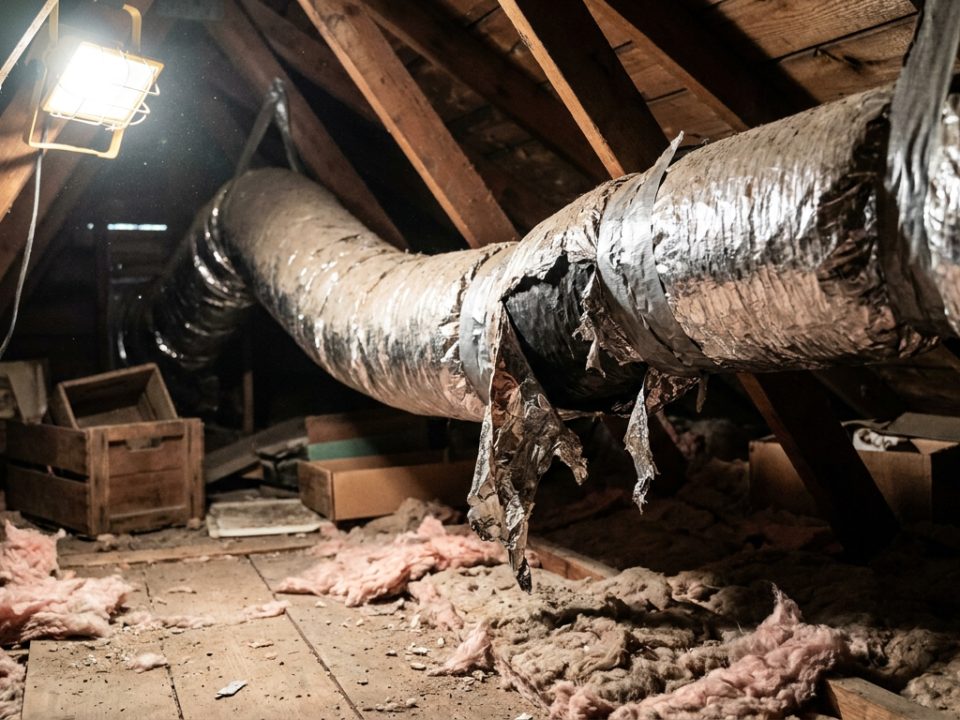
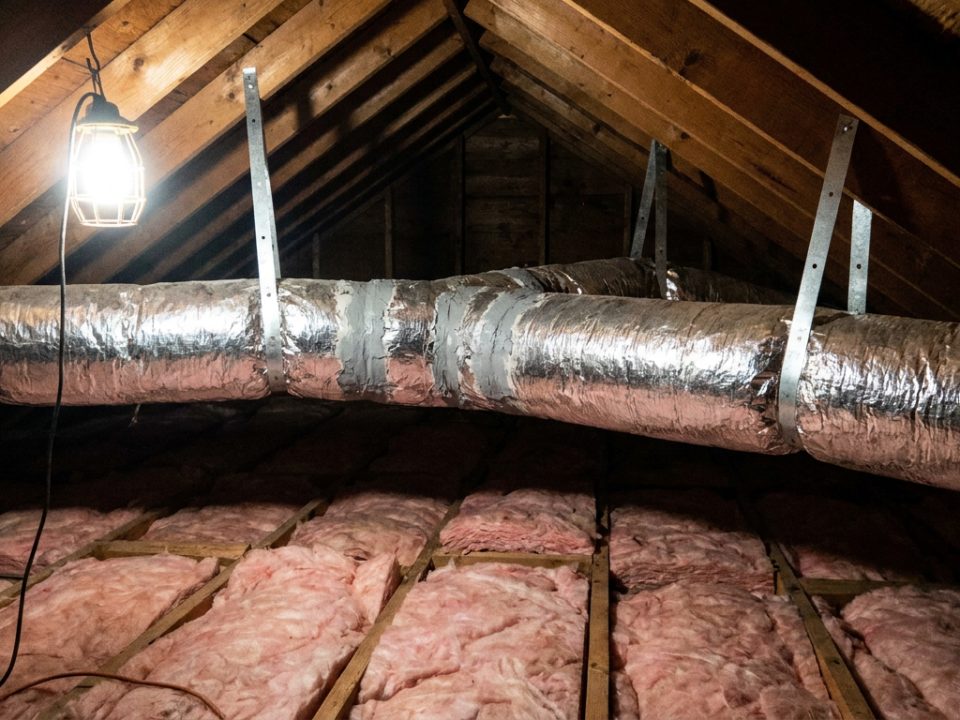
Illustrative examples of the work described here. More in our disclaimer.
The venting change nobody mentions until afterwards
A furnace above about 90% efficiency is a condensing appliance. It extracts so much heat that the exhaust is cool and wet, and cool wet gases will not rise up a masonry chimney. They vent instead through PVC pipe out a side wall.
That is fine for the furnace. The problem is what it leaves behind.
The orphaned water heater
In a great many New Jersey houses the furnace and the gas water heater share one flue, sized for both. Take the furnace off it and the water heater is alone in a passage far too large for it. Its exhaust travels slowly, cools, and condenses against the masonry — acidic moisture that deteriorates the chimney from the inside and can stop the flue drafting properly. That is a combustion safety issue, not a cosmetic one.
What the fix costs
Usually a correctly sized liner for the water heater, sometimes moving it to a power-vented or condensing model instead. Either way it is real money and it belongs on the quote. A replacement quote that says nothing about the flue on a house with a shared chimney is incomplete rather than competitive.
Where the PVC comes out matters
Clearances to windows, doors, soffits, gas meters and the property line are all specified. On the attached and semi-attached housing common across Hudson, Essex and the older river towns, finding a compliant termination point is genuinely constraining and should be settled before equipment is ordered.
Sizing, efficiency and what to actually buy
Two decisions matter and one of them is usually made badly.
Capacity
From a load calculation on your house. Furnaces are routinely oversized, and an oversized one short-cycles: it satisfies the thermostat quickly, shuts off, and starts again — which is the hardest thing you can ask of the equipment and produces uneven temperatures. A correctly sized replacement is often smaller than what came out.
Efficiency, measured as AFUE
The percentage of the fuel that becomes usable heat. An 80% furnace is the conventional-vent option; 90%-plus is condensing, and that is what triggers the venting change above. In New Jersey's heating season the running-cost difference is real, but so is the venting cost — price both configurations rather than assuming higher is automatically better.
Single stage, two stage or modulating
A single-stage furnace is either full-on or off. Two-stage and modulating units run longer at lower output, which holds temperature more evenly and is noticeably more comfortable. They cost more and they are worth it in a house with rooms that never quite match.
What else the job involves
Beyond the appliance itself.
The ductwork it connects to
Ducts sized for the old furnace may not suit the new one, and a system that was extended over the years into an addition or a finished attic is frequently unbalanced already. Replacing the equipment does not fix that; it just makes it a new system with the same complaint.
The thermostat and the wiring
A two-stage or modulating furnace needs a compatible thermostat and enough conductors in the wall to talk to it. On older New Jersey housing that wire count is sometimes the reason a feature is quietly dropped from the install.
Permits and inspection
Most municipalities require them for a furnace replacement. They are the contractor's to arrange, and unpermitted work surfaces awkwardly at resale.
Furnace Installation — frequently asked questions
How long does furnace installation take?
A straightforward like-for-like swap is usually a day. Add time where venting has to be rerouted, where the water heater needs a liner, or where ductwork is being modified — those are the things that turn one day into two or three.
What AFUE rating should I choose?
It depends on the venting. If a condensing furnace can be vented out a side wall cleanly, the efficiency is worth having over a New Jersey heating season. If the termination is awkward and the water heater then needs a liner, the total cost of going condensing may not pay back — price both.
Can I keep my existing ductwork?
Usually, but it should be assessed rather than assumed. Ducts sized for the old unit may restrict a new one, and leaky runs in an unconditioned attic waste a meaningful share of what you paid to heat. Sealing them often returns more than a higher AFUE would.
Do I need a permit to replace a furnace?
In most New Jersey towns, yes. It is the contractor's responsibility to pull it, and a quote that omits permits is not cheaper — it is incomplete.
Should I replace the water heater at the same time?
Often worth doing, precisely because of the flue. If the furnace is moving to side-wall venting and the water heater is of an age, replacing it with a power-vented or condensing unit solves the orphaned-flue problem instead of paying to line a chimney for one appliance.
What is the difference between a furnace and a boiler?
A furnace heats air and distributes it through ducts. A boiler heats water or makes steam and distributes it to radiators or baseboards. If your heat arrives through vents you have a furnace; through radiators, a boiler.
Furnace Installation near you
We cover cities and towns across New Jersey.