224 cities and towns covered
Through-the-Wall AC Installation in New Jersey
The unit sits in a sleeve cut through the exterior wall rather than in the window — which frees the window, seals far better and runs quieter. The work is part HVAC and part construction, and the construction half is what decides the price.
Leave the building and call from outside — that is an emergency services call, not a service call. A yellow burner flame or headaches that clear when you leave the house point the same way. For no heat in freezing weather, call rather than read on: the risk there is frozen pipes rather than comfort, and it arrives within hours.
Call about through-the-wall AC
(949) 703-2282Free to use, and there is nothing to pay us. You are never committed to going ahead.
What happens when you call
- You describe the problem and where you are.
- We put you in touch with a licensed contractor covering that area.
- They arrange the visit and agree the price with you directly.
Worth having to hand
- Roughly how old the system is
- What it is doing — or not doing
- Your ZIP code
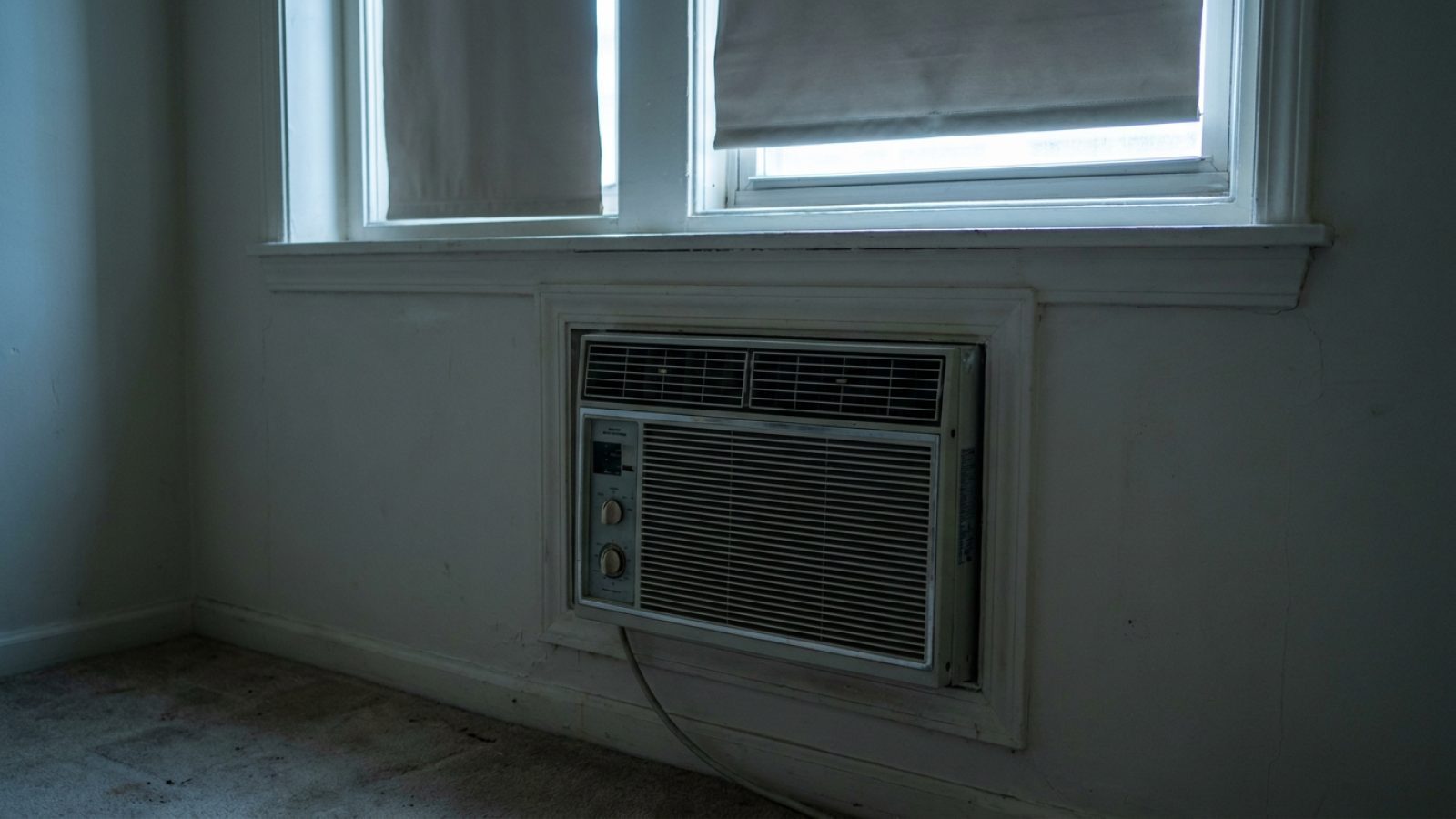
What to ask for on Through-the-Wall AC Installation
- The opening, framing, sleeve and flashing are one job
- Brick is a different proposition from frame
- Condo and co-op work needs approval before anything is cut
- Electrical load should be checked before the unit is specified
- Licensed & insured We match you with contractors who hold current licensing and cover.
- Know what to ask Every page says what decides the price, so you can judge a quote.
- Free to use We never charge you. Compare quotes and walk away at any point.
- Same-day reply Inquiries answered the day they arrive, usually within a couple of hours.
How it works
Three steps, no obligation at any of them.
-
1
Call and tell us what is wrong
Describe the problem and give us your ZIP code. We match you with a licensed HVAC contractor covering your area — there is nothing to fill in and nothing to pay us.
-
2
A local contractor gets in touch
A licensed HVAC professional contacts you to discuss the problem and arrange a visit. What they charge to attend or diagnose is theirs to set, so agree it with them up front.
-
3
You decide
Book the work, wait a season, or get a second quote. There is no obligation to go ahead with the contractor we introduce you to, and nothing to pay us either way.
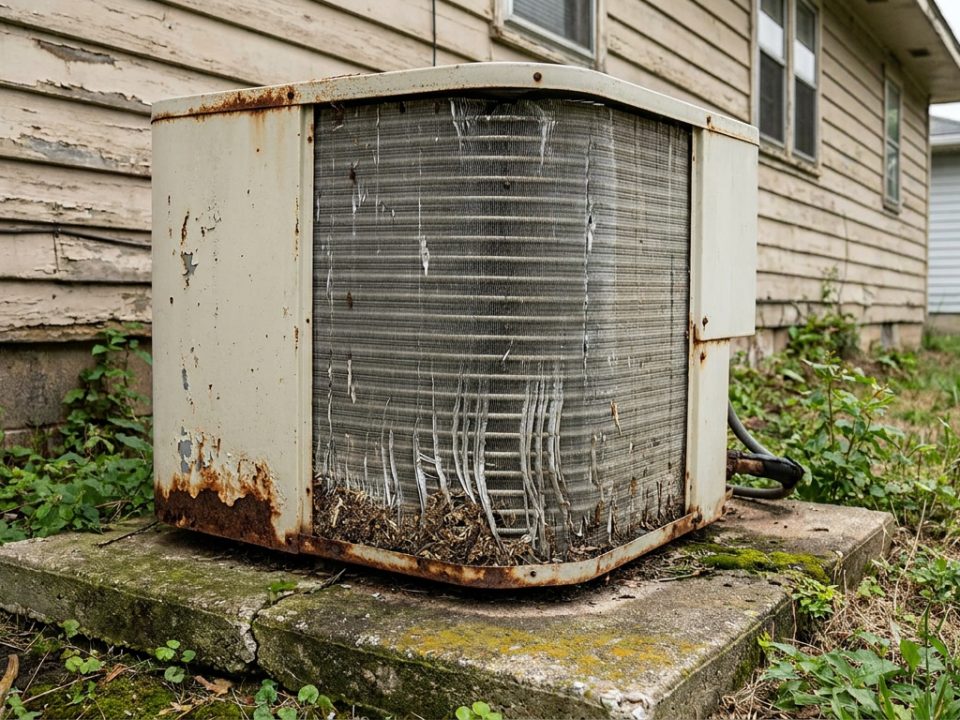
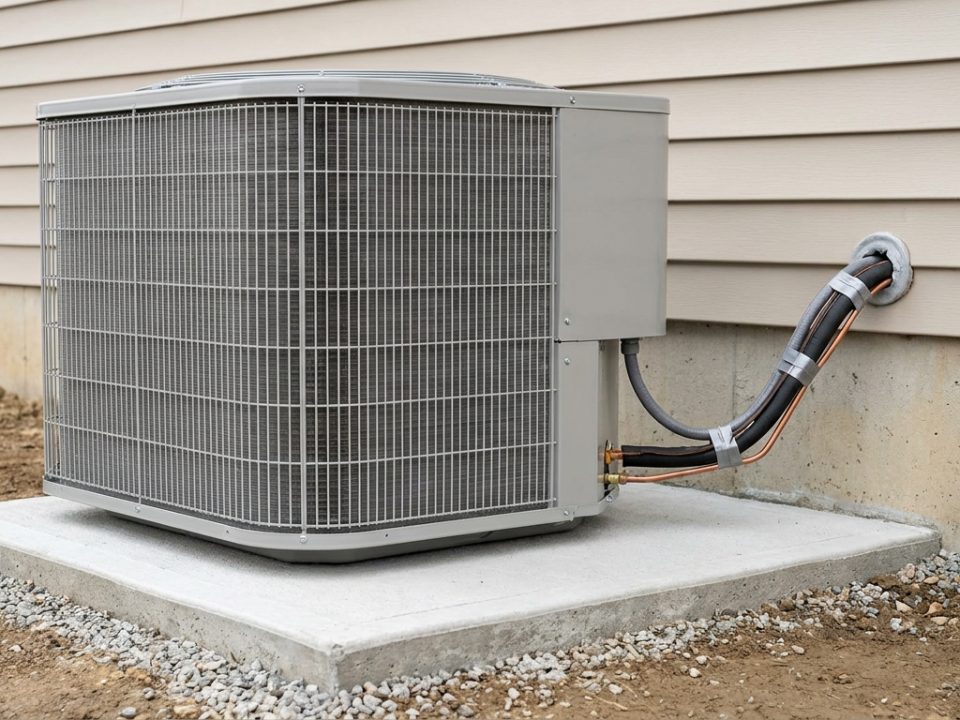
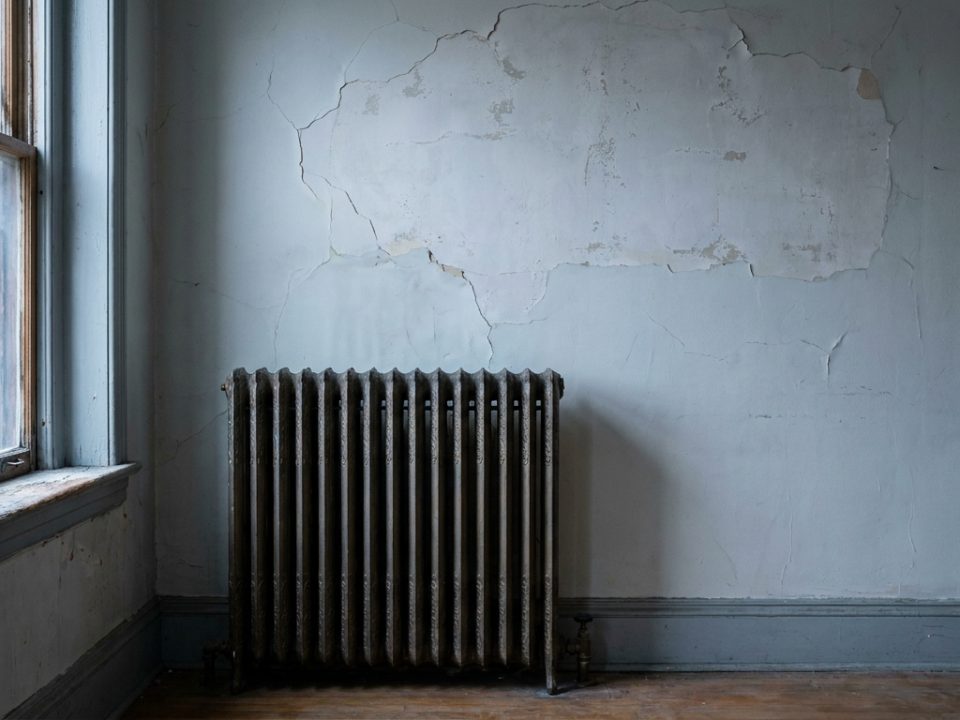
What these repairs look like
Illustrative examples of the work described here. More in our disclaimer.
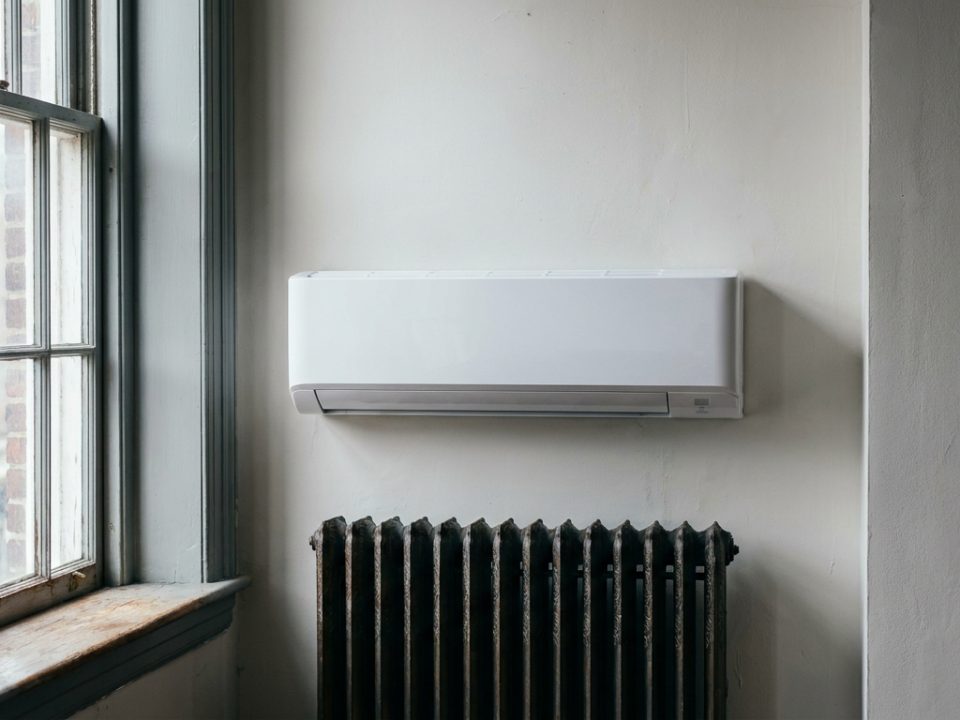
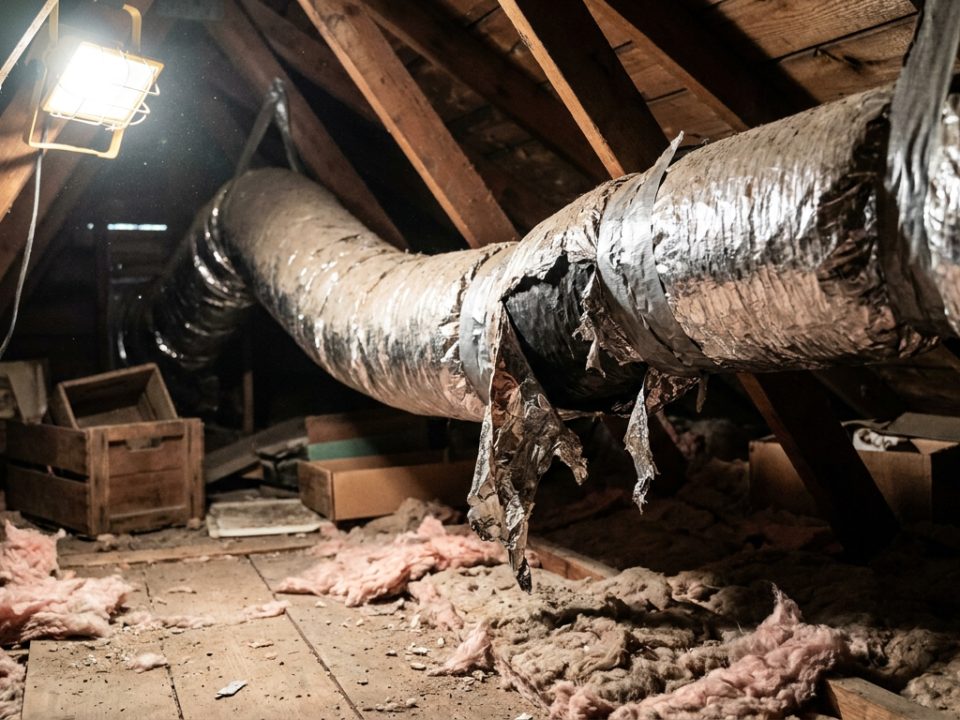
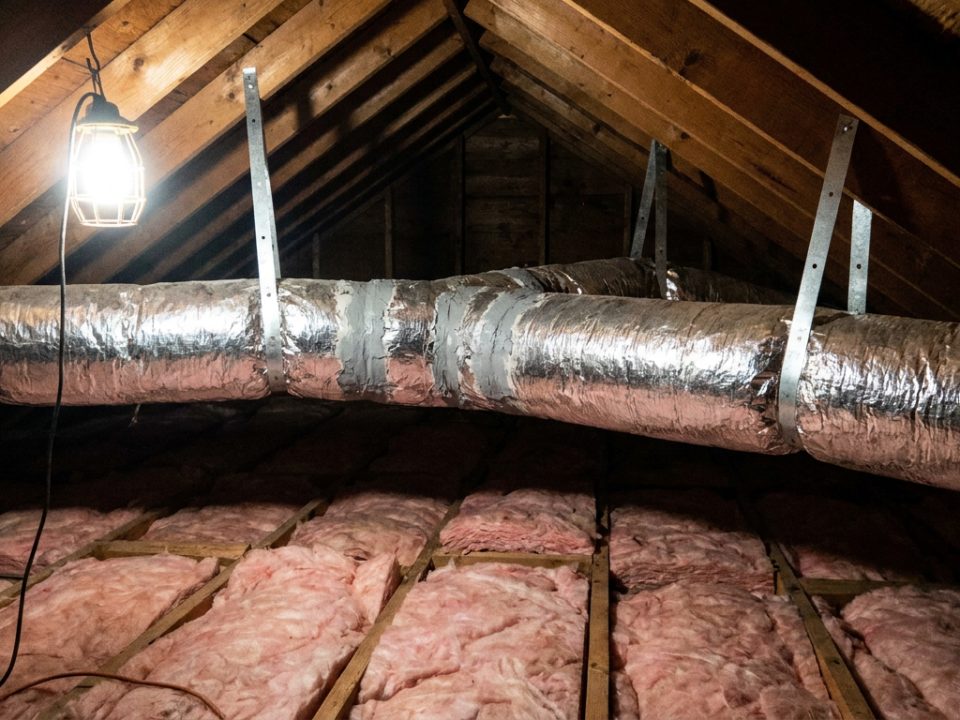
Why choose this over a window unit
Three reasons, and one of them is regulatory in parts of New Jersey.
The window stays usable
Obvious but the main driver. In a small apartment, losing a window to an air conditioner for five months costs light, ventilation and in some rooms the only means of egress.
It seals properly
A window unit is sealed with concertina side panels and foam, and that seal is poor by design — it leaks conditioned air out and hot air in, and it is a security weakness. A sleeve set into the wall is framed, flashed and permanently sealed.
Safety and building rules
A badly supported window unit several stories up is a genuine hazard, and buildings increasingly prohibit them for that reason. A through-wall installation removes the question entirely.
What the work actually involves
This is the part underestimated in most quotes, and where the cost variation lives.
Frame wall
Cut the opening, header the studs so the load is carried around it, fit and level the sleeve with a slight outward pitch for drainage, flash it into the building's water management, seal, then make good inside and out. A day for a competent crew.
Masonry
Substantially more work. Cutting brick or block needs a lintel above the opening to carry the load, and the cutting itself is slow and dusty. On the older masonry common across Hudson, Essex and the river towns, expect this to be the larger part of the price.
Getting the pitch and flashing right
A sleeve pitched slightly outward drains condensate away from the building. Pitched flat or inward, it drains into the wall — which is how a cooling installation becomes a damp problem two years later. This is the detail worth asking about specifically.
Electrical
Larger units frequently want a dedicated circuit, and older New Jersey apartment wiring often cannot spare one without work. Establish this before the unit is chosen rather than after the hole is cut.
Approvals, and when this is not the right answer
Cutting a hole in a building is not always yours to authorize.
Condo and co-op
Altering the exterior wall almost always requires board approval and often an alteration agreement, because the façade is common property. Approval can also dictate grille appearance and placement so the building stays uniform.
Historic districts
Several New Jersey municipalities have historic districts with real constraints on what may be attached to or cut into a street-facing elevation. Worth checking before committing.
When ductless is the better answer
If you are cutting a wall anyway and want more than one room cooled, a ductless mini-split needs a three-inch hole rather than a full sleeve, heats as well as cools, and is far more efficient. For a single room where a through-wall unit is genuinely the preference, this is fine — but it is worth pricing both.
Through-the-Wall AC Installation — frequently asked questions
How much does it cost to cut through brick?
Meaningfully more than a frame wall, because the opening needs a lintel to carry the load above it and the cutting is slow. On older New Jersey masonry it is usually the larger part of the job. Get the wall construction established before comparing quotes, or you will be comparing different jobs.
Can I use my existing sleeve for a new unit?
If the sleeve is sound and the dimensions match, yes — that is the cheapest version of this work. Measure it first; sleeve sizes are not standardized across manufacturers or eras.
Do I need permission in a condo or co-op?
Almost certainly. The exterior wall is common property, so board approval and often a formal alteration agreement are required, and the board may specify the grille and its placement. Settle it before anything is ordered or cut.
Will it leak?
Not if the sleeve is pitched slightly outward and properly flashed into the wall. Those two details are what separate a lasting installation from a damp problem, and they are worth asking about explicitly.
Should I get this or a mini-split?
For a single room where a through-wall unit suits, either works. For more than one room, or if you want heating too, a ductless mini-split is more efficient, needs a much smaller hole, and usually wins on running cost — worth pricing both before deciding.
Through-the-Wall AC Installation near you
We cover cities and towns across New Jersey.