Covering 1 ZIP code
Indoor Air Quality in Hoboken, NJ
Persistent dust, indoor allergy symptoms, dry winter air and clammy summer air are four separate problems with four separate answers — and they are routinely sold as one package. The symptom tells you which you have.
- Covering 1 Hoboken ZIP code
- Free to use, no obligation
Leave the building and call from outside — that is an emergency services call, not a service call. A yellow burner flame or headaches that clear when you leave the house point the same way. For no heat in freezing weather, call rather than read on: the risk there is frozen pipes rather than comfort, and it arrives within hours.
Call about air quality in Hoboken
(949) 703-2282Free to use, and there is nothing to pay us. You are never committed to going ahead.
What happens when you call
- You describe the problem and where you are.
- We put you in touch with a licensed contractor covering that area.
- They arrange the visit and agree the price with you directly.
Worth having to hand
- Roughly how old the system is
- What it is doing — or not doing
- Your ZIP code
What to ask for on Indoor Air Quality in Hoboken
- Filter grade and fit matter more than brand
- A dense filter in the wrong system restricts airflow
- Summer humidity is often mistaken for undersized cooling
- Diagnosis before equipment — the complaint decides the answer
- Licensed & insured We match you with contractors who hold current licensing and cover.
- Know what to ask Every page says what decides the price, so you can judge a quote.
- Free to use We never charge you. Compare quotes and walk away at any point.
- Same-day reply Inquiries answered the day they arrive, usually within a couple of hours.
How it works
Three steps, no obligation at any of them.
-
1
Call and tell us what is wrong
Describe the problem and give us your ZIP code. We match you with a licensed HVAC contractor covering your area — there is nothing to fill in and nothing to pay us.
-
2
A local contractor gets in touch
A licensed HVAC professional contacts you to discuss the problem and arrange a visit in Hoboken. What they charge to attend or diagnose is theirs to set, so agree it with them up front.
-
3
You decide
Book the work, wait a season, or get a second quote. There is no obligation to go ahead with the contractor we introduce you to, and nothing to pay us either way.
What these repairs look like
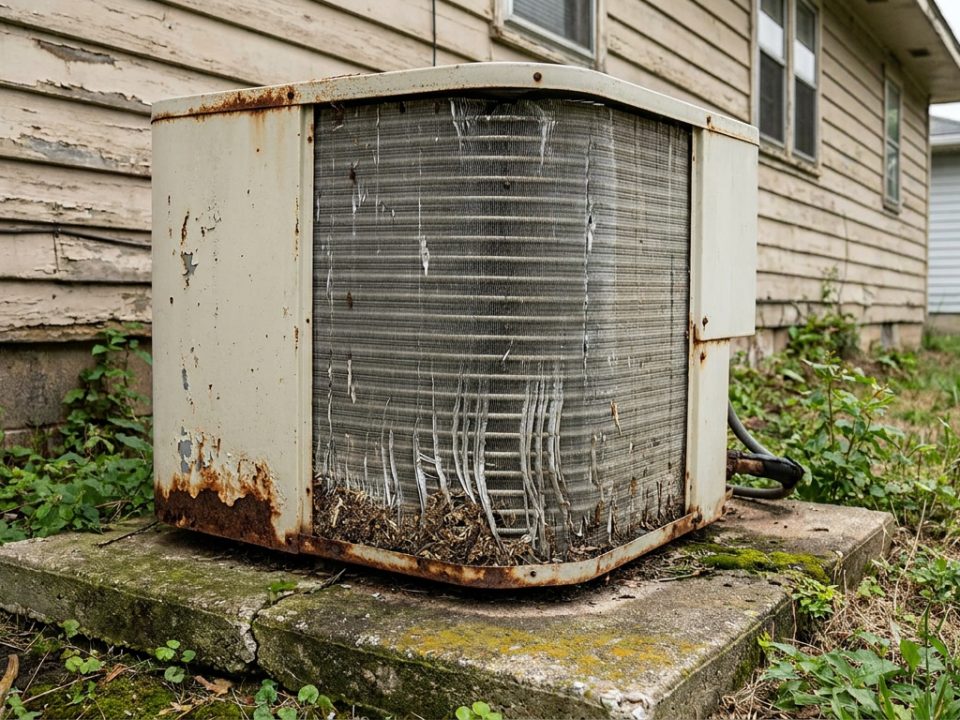
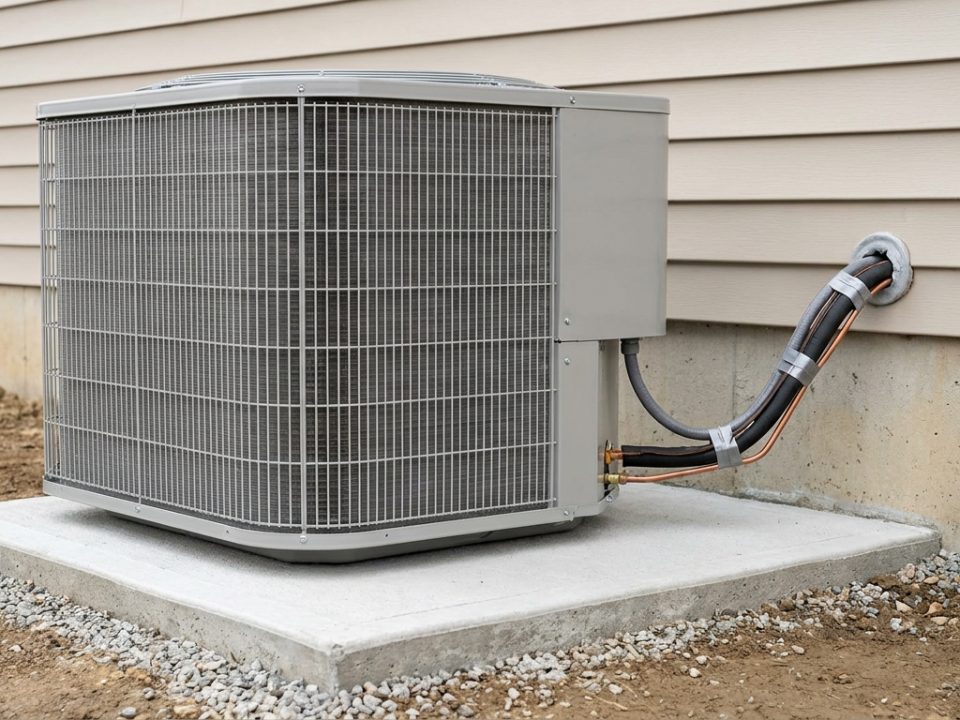
Illustrative examples of the work described here. More in our disclaimer.
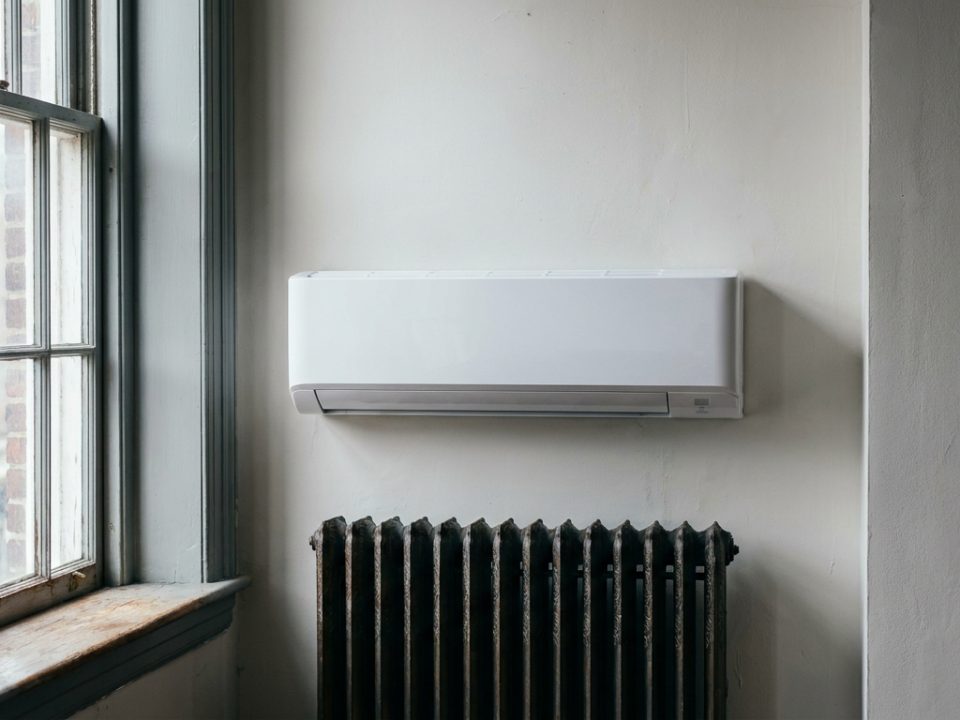
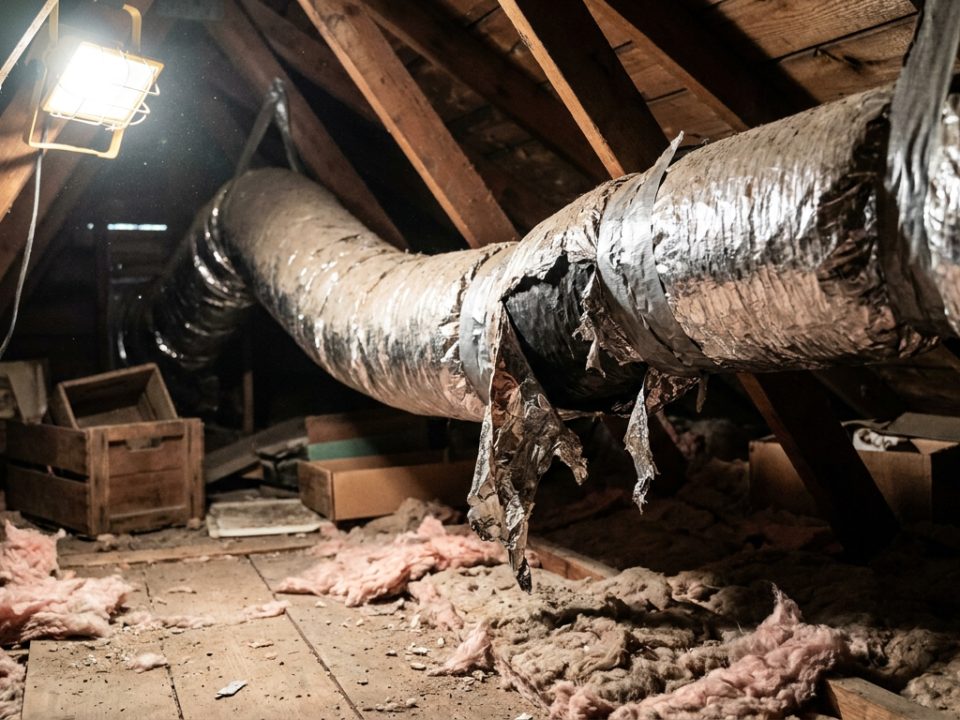
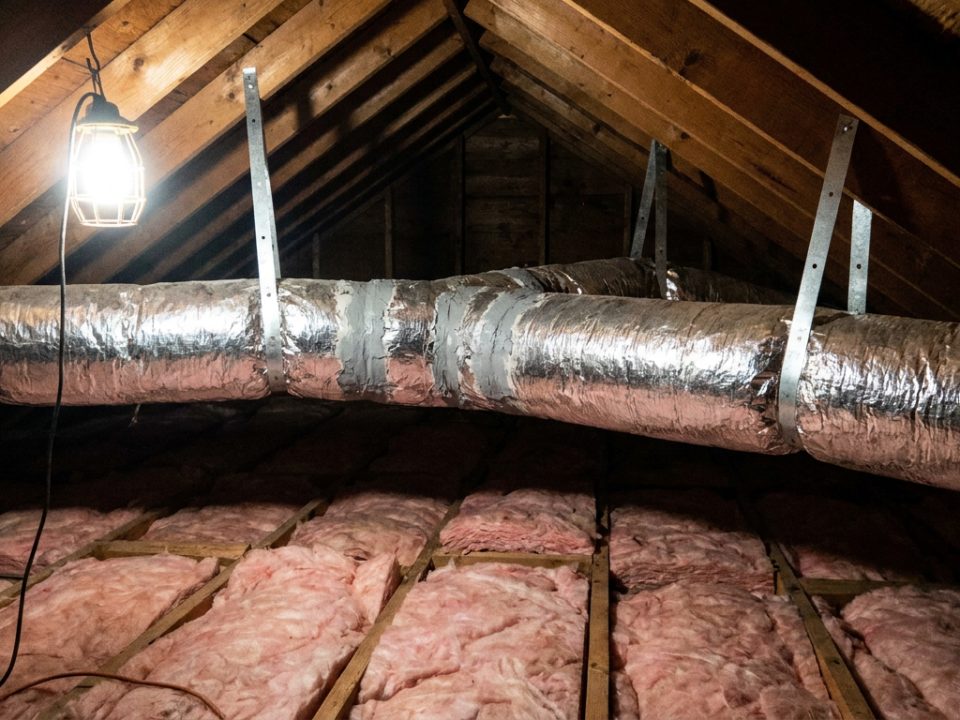
Indoor Air Quality in Hoboken
The systems we see in Hoboken tend to share a history — a heating system replaced once or twice, cooling added later, and ductwork extended as rooms were added rather than designed for the house as it now stands. Most comfort complaints here start there.
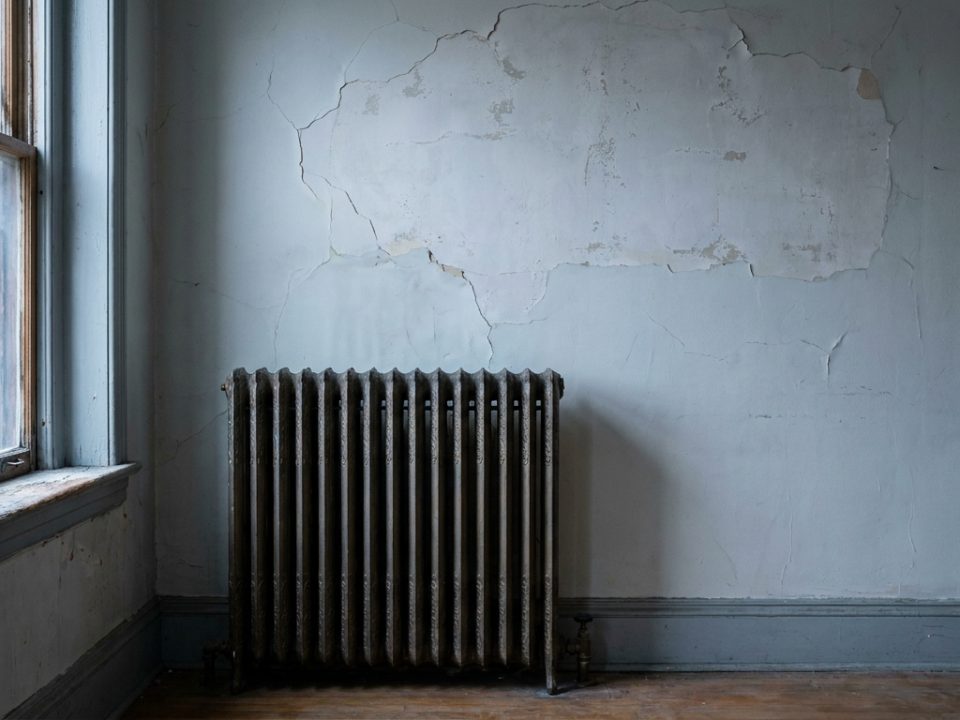
About 35% of homes in Hoboken were built before 1940 — old enough to have been built with radiators and no ductwork at all; 37% of them heat with electricity, where a heat pump delivers several times the heat for the same power as resistance heating. (US Census ACS 2022)
Filtration: grade and fit, not brand
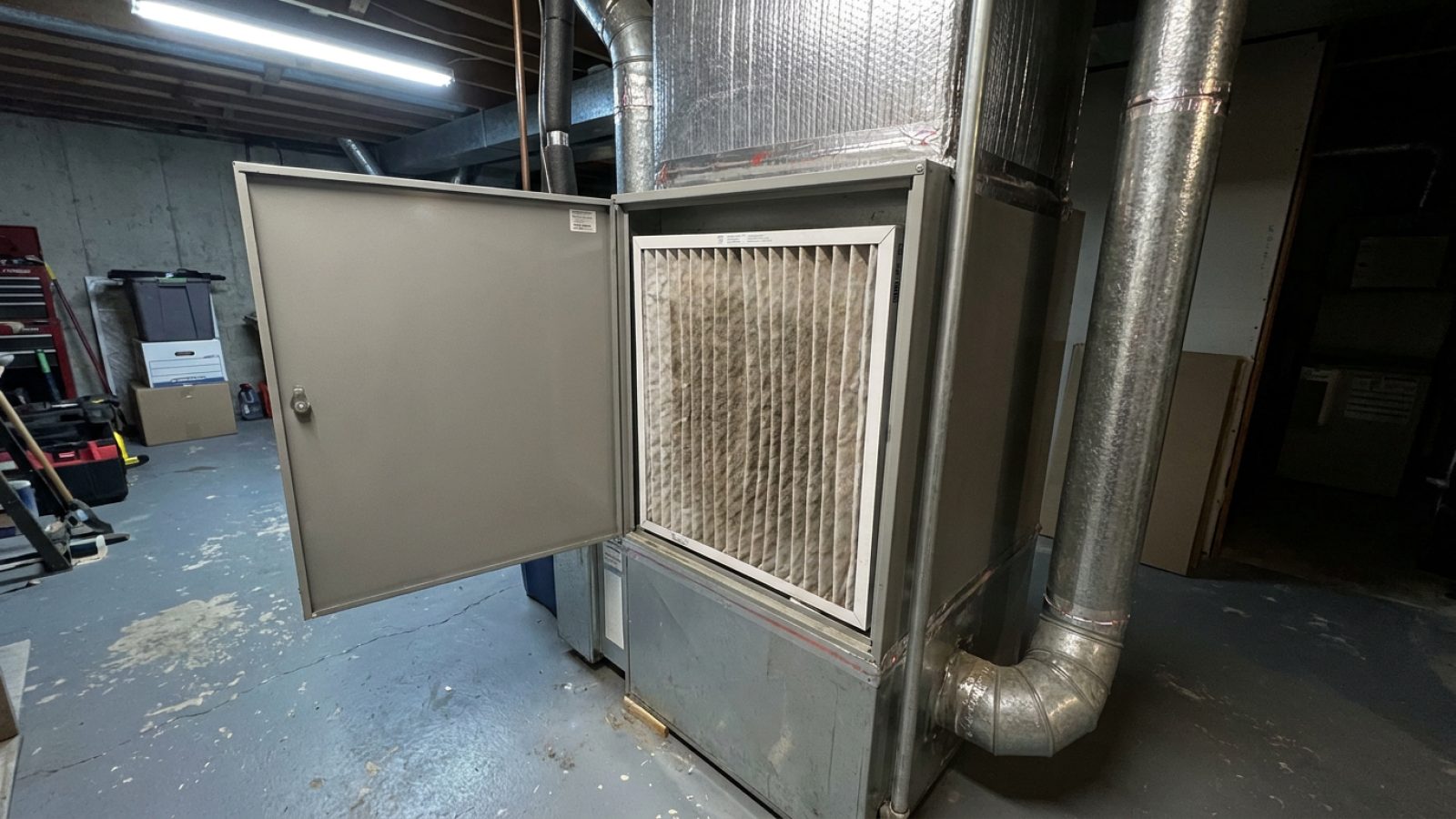
Filters are rated by MERV, which measures what proportion of particles of a given size they capture. Higher captures more — and higher also resists airflow more, which is where people get into trouble.
The trap with high-MERV filters
Fitting a dense MERV 13 filter to a system designed for a cheap MERV 8 restricts airflow. The furnace overheats and trips its limit switch; the AC coil freezes. People then conclude the system is failing when they have simply choked it. If you want higher filtration, the answer is more filter area — a four- or five-inch media cabinet — not a denser one-inch panel.
Fit matters as much as grade
Air takes the easy path. A high-grade filter with a half-inch gap around the frame filters very little, because the air goes round it. A properly sealed MERV 8 outperforms a loose MERV 13.
Wildfire smoke
Smoke is fine particulate, which is exactly what filtration is good at — and after June 2023 this stopped being theoretical in New Jersey. MERV 13 captures a meaningful share of that size range. Where the system cannot take it, a well-sized portable air cleaner in the room you actually occupy does more than an underperforming central filter.
Humidity: two opposite problems
New Jersey manages to have both, six months apart, and they need different equipment.
Dry winter air
Heated air holds humidity poorly, and the result is static, cracked woodwork, dry sinuses and a house that feels colder than the thermostat says. A whole-home humidifier plumbed into the ductwork addresses it. Aim for 30 to 40% in winter — higher and you get condensation on windows and eventually mold.
Clammy summer air
This is the one people misdiagnose. Air conditioning removes moisture only while it runs, and an oversized system reaches temperature and shuts off before it has dehumidified. The house is cold and damp, and turning the thermostat down makes it worse. A whole-home dehumidifier fixes what a bigger air conditioner would not.
The target range
45 to 55% relative humidity, and never above 60% for long — that is where dust mites and mold become comfortable. A $15 hygrometer settles arguments about this far more cheaply than equipment does.
The full guide: everything about indoor air quality — how the job works, what decides the price, and the questions worth asking before you book — is on the service page. This page covers what is different about it in Hoboken.
Areas we cover in Hoboken
We work throughout Hoboken, including the areas around Downtown, Hudson Waterfront, Midtown and Southwest.
Indoor Air Quality in Hoboken — FAQs
Do heat pumps work through a Hoboken winter?
Cold-climate models do, holding useful output well below freezing, and most installations here keep a backup for the coldest stretches. What decides it is your current fuel cost against your electricity rate, and which New Jersey incentives you qualify for — the state Whole Home program and your electric utility stack, and the amounts change from year to year.
What qualifications should a Hoboken HVAC company have?
Ask for three things and check them: current liability insurance, the appropriate license for your municipality, and EPA Section 608 certification for anyone handling refrigerant. Ask to see the documents rather than taking the logo on the van as proof. For gas work in particular, licensing exists because the failure modes are carbon monoxide and fire.
Can you work on a rental or multi-family property in Hoboken?
Yes. Ask the contractor for the findings in writing so a landlord or managing agent can act on them. In apartment buildings the usual complication is what the building permits — which equipment, mounted where, and by whose contractor — so that is worth establishing before anything is ordered.
My Hoboken house is pre-war — what does that change?
A good deal. About 35% of homes in Hoboken were built before 1940 (US Census ACS 2023), which usually means radiators rather than ducts, and that decides most of what follows. Heating is a boiler question — venting, balancing, cold radiators — rather than a furnace one. Cooling has to arrive without ductwork, so ductless heads, PTACs or window units are the realistic options. And a high-efficiency replacement often leaves the water heater alone on a flue that is now far too large for it, which needs addressing at the same time rather than later.
My Hoboken home has electric heat — is a heat pump worth it?
Almost certainly, and this is the clearest case of the lot. Around 37% of Hoboken homes heat with electricity (US Census ACS 2023), and where that means resistance baseboards or wall heaters, a heat pump delivers several times as much heat for the same electricity — because it moves heat rather than making it. It also adds cooling, which baseboards do not. New Jersey stacks a state rebate with a utility one on this swap, and it is worth establishing which utility serves you before you price anything.
What HVAC problem is most common around Hoboken?
Steam systems heating some rooms and not others, which is almost always venting rather than a failing boiler. That pattern is regional rather than universal — the dense pre-war core — Newark, Jersey City, Hoboken, Bayonne and the Oranges. It is worth knowing before you book, because it tells you what someone should be looking hardest at here.
Do New Jersey homes need a dehumidifier?
Many do in summer, and it is under-recognized. Air conditioning dehumidifies only while running, and an oversized system satisfies the thermostat before it has removed moisture. The result is cold and clammy. A dehumidifier often does more for comfort than a larger air conditioner would.
Will better filtration reduce the dust in my house?
Some of it. Filtration catches what is already circulating. If dust returns within days of cleaning, the source is usually unfiltered air being drawn in — return-side duct leakage, or gaps around a wall unit — and sealing that does more than upgrading the filter.
Other HVAC services in Hoboken
- Emergency HVAC Repair
- AC Repair
- AC Installation
- Ductless Mini-Split Installation
- PTAC Repair and Replacement
- Through-the-Wall AC Installation
- Furnace Repair
- Furnace Installation
- Boiler Repair
- Boiler Installation
- Heat Pump Installation
- Oil to Gas Conversion
- HVAC Maintenance and Tune-Ups
- Ductwork Repair and Sealing
- Air Duct Cleaning
- Coastal HVAC Corrosion Protection