Covering 1 ZIP code
HVAC Repair in Lake Hiawatha, New Jersey
HVAC work across Lake Hiawatha and the whole ZIP code area it covers: AC and furnace repair, boiler work, system replacement, and the annual servicing that keeps the emergency calls away.
- Free to use — contractors pay us, you never do
- Licensed, insured, and holding a New Jersey Master HVACR license
- Covering 1 Lake Hiawatha ZIP code
Leave the building and call from outside — that is an emergency services call, not a service call. A yellow burner flame or headaches that clear when you leave the house point the same way. For no heat in freezing weather, call rather than read on: the risk there is frozen pipes rather than comfort, and it arrives within hours.
Call about Lake Hiawatha
(949) 703-2282Free to use, and there is nothing to pay us. You are never committed to going ahead.
What happens when you call
- You describe the problem and where you are.
- We put you in touch with a licensed contractor covering that area.
- They arrange the visit and agree the price with you directly.
Worth having to hand
- Roughly how old the system is
- What it is doing — or not doing
- Your ZIP code
- ZIP codes served
- 1
- Homes built pre-1940
- 9%
- Homes heating with gas
- 57%
- Homes heating with oil
- 20%
- Licensed & insured We match you with contractors who hold current licensing and cover.
- Know what to ask Every page says what decides the price, so you can judge a quote.
- Free to use We never charge you. Compare quotes and walk away at any point.
- Same-day reply Inquiries answered the day they arrive, usually within a couple of hours.
HVAC services in Lake Hiawatha
What we cover in Lake Hiawatha
Every job below is handled by licensed contractors working this area. Call and describe the problem — what it costs depends on your equipment and what the fault turns out to be, and that is agreed with the contractor directly.
- Emergency HVAC Repair
- AC Repair
- AC Installation
- Ductless Mini-Split Installation
- PTAC Repair and Replacement
- Through-the-Wall AC Installation
- Furnace Repair
- Furnace Installation
- Boiler Repair
- Boiler Installation
- Heat Pump Installation
- Oil to Gas Conversion
- HVAC Maintenance and Tune-Ups
- Ductwork Repair and Sealing
- Air Duct Cleaning
- Indoor Air Quality
- Coastal HVAC Corrosion Protection
How it works
Three steps, no obligation at any of them.
-
1
Call and tell us what is wrong
Describe the problem and give us your ZIP code. We match you with a licensed HVAC contractor covering your area — there is nothing to fill in and nothing to pay us.
-
2
A local contractor gets in touch
A licensed HVAC professional contacts you to discuss the problem and arrange a visit in Lake Hiawatha. What they charge to attend or diagnose is theirs to set, so agree it with them up front.
-
3
You decide
Book the work, wait a season, or get a second quote. There is no obligation to go ahead with the contractor we introduce you to, and nothing to pay us either way.
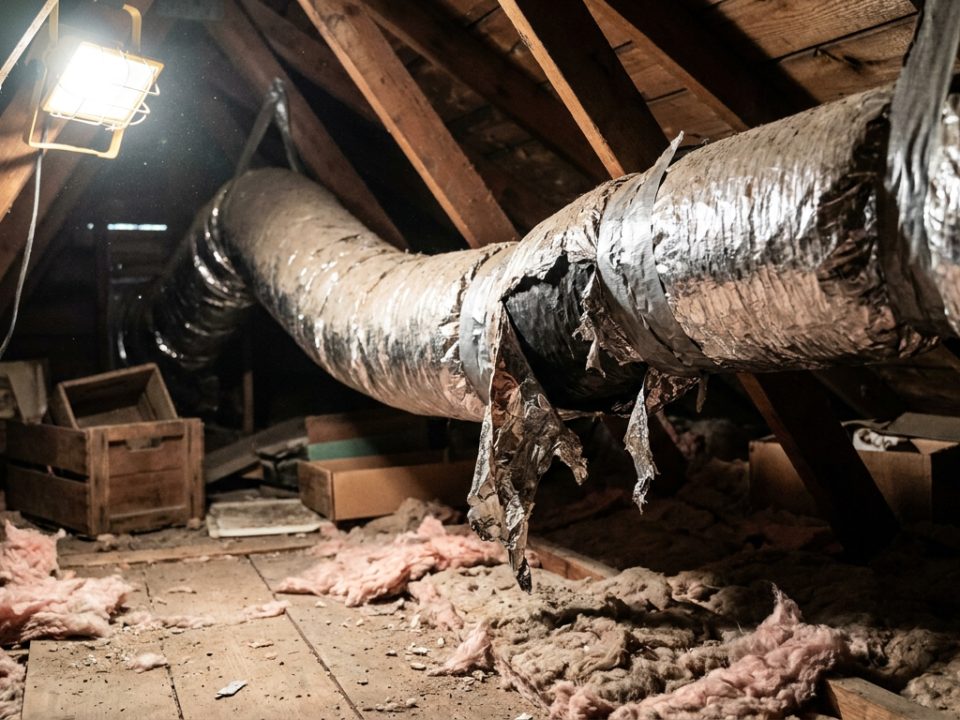
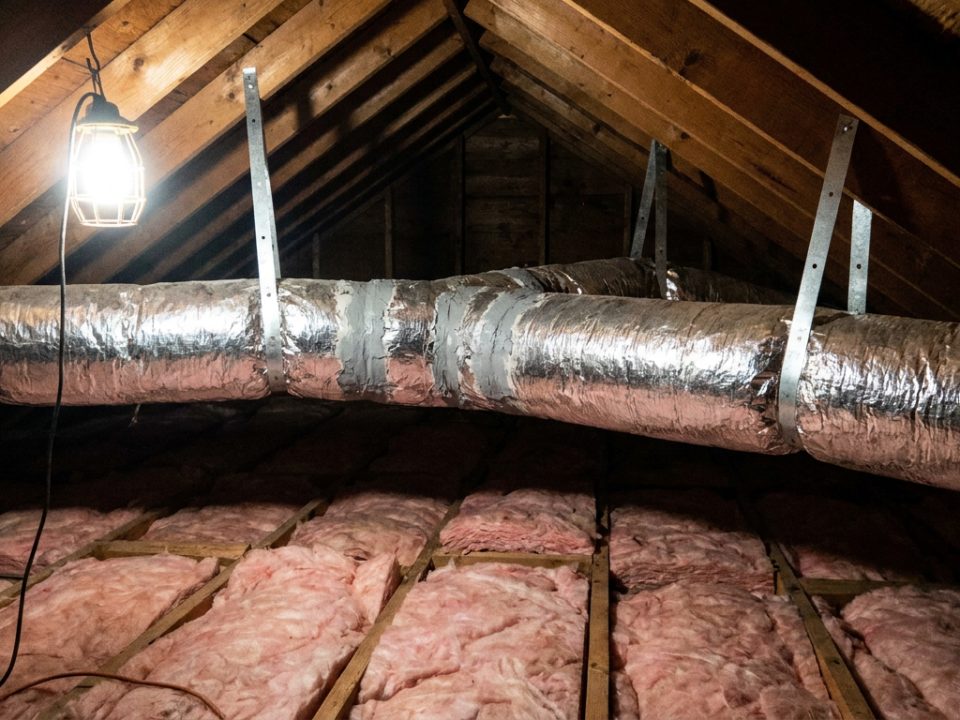
What these repairs look like
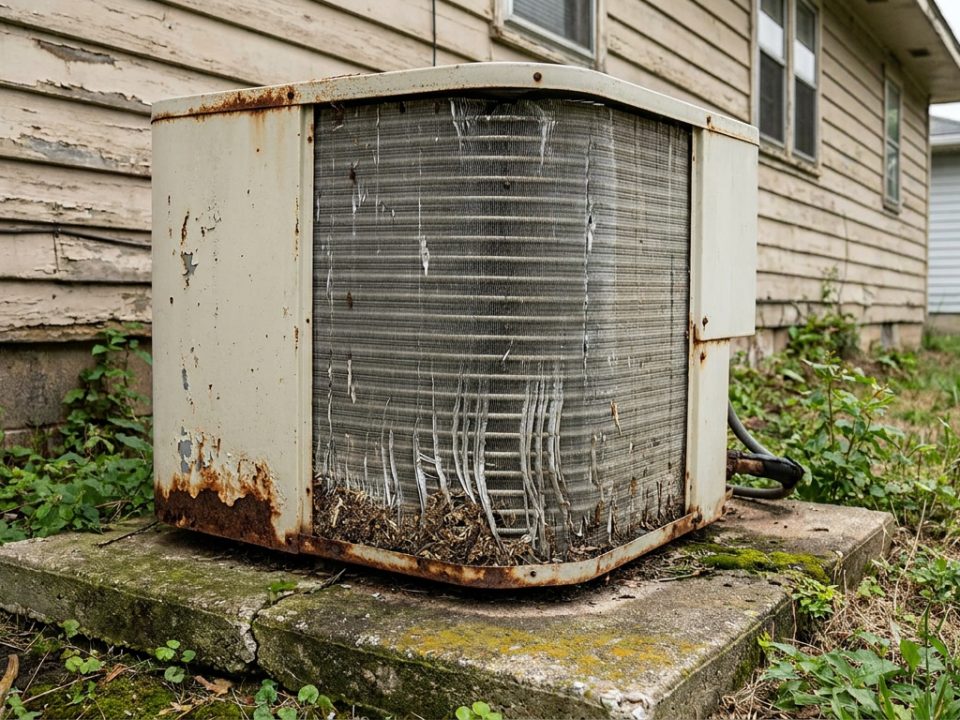
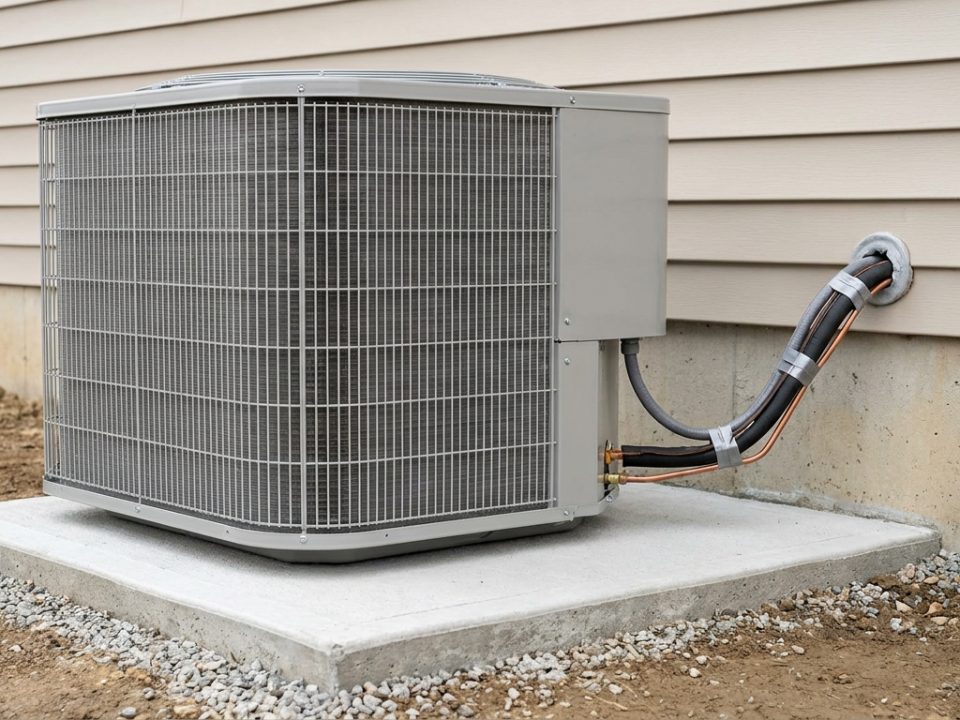
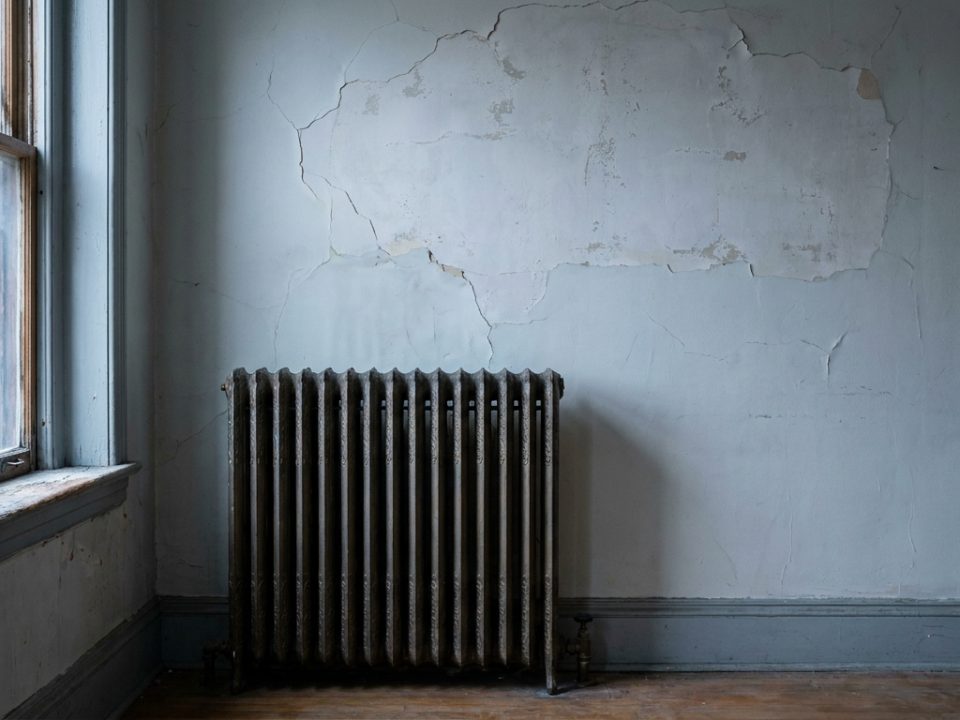
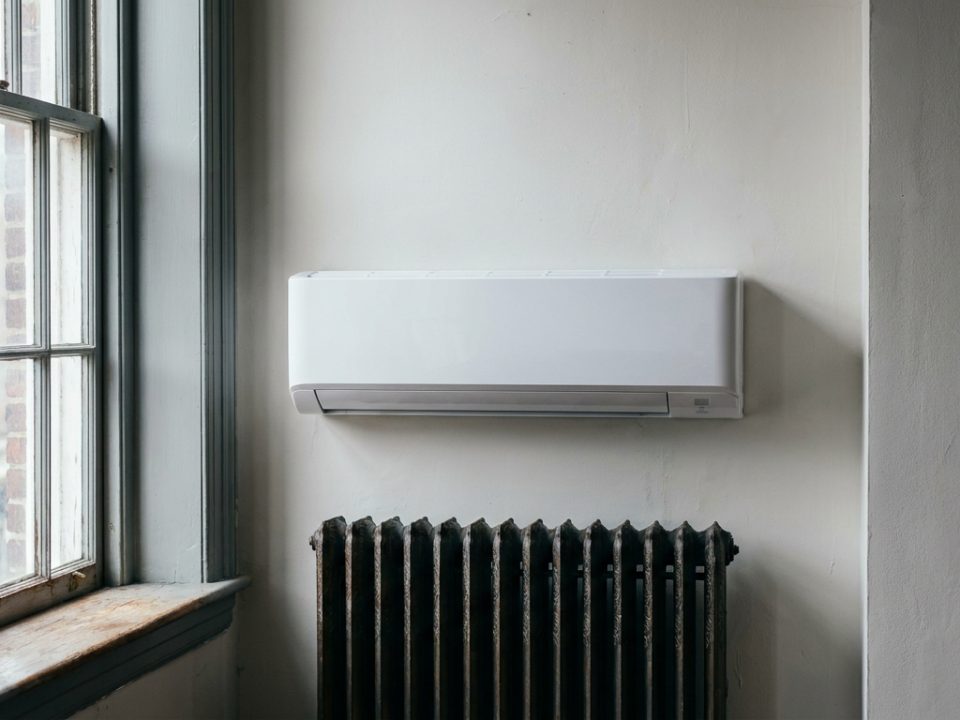
Illustrative examples of the work described here. More in our disclaimer.
Why systems struggle in Lake Hiawatha
The systems we see in Lake Hiawatha tend to share a history — a heating system replaced once or twice, cooling added later, and ductwork extended as rooms were added rather than designed for the house as it now stands. Most comfort complaints here start there.
About 61% of homes in Lake Hiawatha predate 1970, so the original heating system has usually been replaced at least once and cooling added afterward; 20% of them still heat with oil, which is the strongest case in the state for either a gas conversion or a cold-climate heat pump. (US Census ACS 2022)
The work we see most in Lake Hiawatha
Most HVAC work in Lake Hiawatha follows the same pattern: equipment that coped last year and does not now. Systems rarely fail gradually in a way anyone notices — they fail on the first genuinely hot day or the first hard freeze, having been marginal for a season already.
When to book work in Lake Hiawatha
The best time to book HVAC work in Lake Hiawatha is the shoulder seasons — spring for cooling, early fall for heating. The first heat wave and the first hard freeze produce most of the year's emergency calls, and that is exactly when every contractor in the county is booked days out. Booking ahead also means a part that has to be ordered arrives before you need the system, rather than during the week you cannot do without it.
Areas we cover in Lake Hiawatha
Our Lake Hiawatha coverage takes in the neighborhoods around Greenbank Road, Lake Hiawatha Elementary School, Lake Shore Drive and North Beverwyck Road.
HVAC in Lake Hiawatha — FAQs
Should I repair or replace my system?
The usual test is whether the repair costs more than about a third of a replacement on a system past two-thirds of its expected life, which is 15 to 20 years for most equipment. A compressor or heat exchanger failure on an older system generally means replacement; anything electrical on a newer one generally means repair. Ask for both numbers — a contractor who will only quote one is answering a different question.
Do you charge for a quote in Lake Hiawatha?
Using this site is free and we never charge you anything. What a contractor charges to attend or diagnose is theirs to set — some credit a diagnostic fee against the repair, some do not — so agree that on the phone before they come out. It is a fair question and any reputable firm will answer it.
How often should my system be serviced?
Once a year for each function — cooling in spring, heating in fall — so a house with separate heating and cooling equipment ideally gets two visits. Heat pumps run year-round and are generally serviced twice. Most manufacturer warranties also require documented annual servicing, and that condition is enforced more often than people expect.
Can I get air conditioning in a Lake Hiawatha house with no ductwork?
Yes, and in most older housing that is the sensible route. A ductless mini-split needs a three-inch hole through the wall rather than duct runs, and it heats as well as cools. Running new ducts through a finished house means opening ceilings and building soffits, and it frequently costs more than the equipment does. Get both quoted before assuming ducts are the answer.
What size system does my Lake Hiawatha house need?
That comes from a load calculation on your actual house — floor area, insulation, window area and orientation, ceiling height, air leakage. It does not come from matching the old unit, which was frequently oversized when it was installed. Oversized cooling short-cycles and leaves a house cold and clammy rather than cool and dry.
Do heat pumps work through a Lake Hiawatha winter?
Cold-climate models do, holding useful output well below freezing, and most installations here keep a backup for the coldest stretches. What decides it is your current fuel cost against your electricity rate, and which New Jersey incentives you qualify for — the state Whole Home program and your electric utility stack, and the amounts change from year to year.
What qualifications should a Lake Hiawatha HVAC company have?
Ask for three things and check them: current liability insurance, the appropriate license for your municipality, and EPA Section 608 certification for anyone handling refrigerant. Ask to see the documents rather than taking the logo on the van as proof. For gas work in particular, licensing exists because the failure modes are carbon monoxide and fire.
Can you work on a rental or multi-family property in Lake Hiawatha?
Yes. Ask the contractor for the findings in writing so a landlord or managing agent can act on them. In apartment buildings the usual complication is what the building permits — which equipment, mounted where, and by whose contractor — so that is worth establishing before anything is ordered.
I heat with oil in Lake Hiawatha — what are my options?
You are not unusual here: 20% of Lake Hiawatha homes still heat with oil (US Census ACS 2023). Three things are worth knowing. Oil equipment needs a genuine annual service — nozzle, filter and a combustion setup on the analyzer — rather than the lighter attention gas equipment tolerates. If gas is available at your street, the moment to convert is when the boiler or furnace is due anyway, because then you pay the difference rather than the whole job. And a cold-climate heat pump is the strongest alternative in exactly this situation, since the fuel it displaces is the expensive one and New Jersey stacks a state rebate with a utility one on exactly this swap.
What HVAC problem is most common around Lake Hiawatha?
Steam systems heating some rooms and not others, which is almost always venting rather than a failing boiler. That pattern is regional rather than universal — the dense pre-war core — Newark, Jersey City, Hoboken, Bayonne and the Oranges. It is worth knowing before you book, because it tells you what someone should be looking hardest at here.
HVAC issues specific to Lake Hiawatha
the dense pre-war core — Newark, Jersey City, Hoboken, Bayonne and the Oranges
The oldest and tightest housing in the state, and the part where a forced-air assumption breaks down completely. Most of this stock was built before ducted heating existed: heat arrives through radiators from a steam or hot water boiler, often one boiler serving a whole three-family house. Cooling was added later and added piecemeal, which is why through-wall sleeves, window units and ductless heads do the work here that a central system does elsewhere. Access is the other constant — equipment comes through a shared stair or an alley, and a rooftop condenser needs the building's permission before it needs a technician.
What we see most in Hudson and Essex
- Steam systems heating some rooms and not others, which is almost always venting rather than a failing boiler
- Oil-to-gas conversions in buildings where the flue then has to be relined for a smaller appliance
- Cooling added as ductless or through-wall because there is nowhere for a duct to run
ZIP codes we cover in Lake Hiawatha
- 07034