Covering 6 ZIP codes
Boiler Repair in New Brunswick, NJ
Boilers heat a great deal of northern New Jersey, and steam and hot water fail for unrelated reasons. Most uneven-heat complaints in an older building are a balancing or venting problem rather than a failing boiler — and balancing costs a fraction of replacement.
- Covering 6 New Brunswick ZIP codes
- Free to use, no obligation
Leave the building and call from outside — that is an emergency services call, not a service call. A yellow burner flame or headaches that clear when you leave the house point the same way. For no heat in freezing weather, call rather than read on: the risk there is frozen pipes rather than comfort, and it arrives within hours.
Call about boiler repair in New Brunswick
(949) 703-2282Free to use, and there is nothing to pay us. You are never committed to going ahead.
What happens when you call
- You describe the problem and where you are.
- We put you in touch with a licensed contractor covering that area.
- They arrange the visit and agree the price with you directly.
Worth having to hand
- Roughly how old the system is
- What it is doing — or not doing
- Your ZIP code
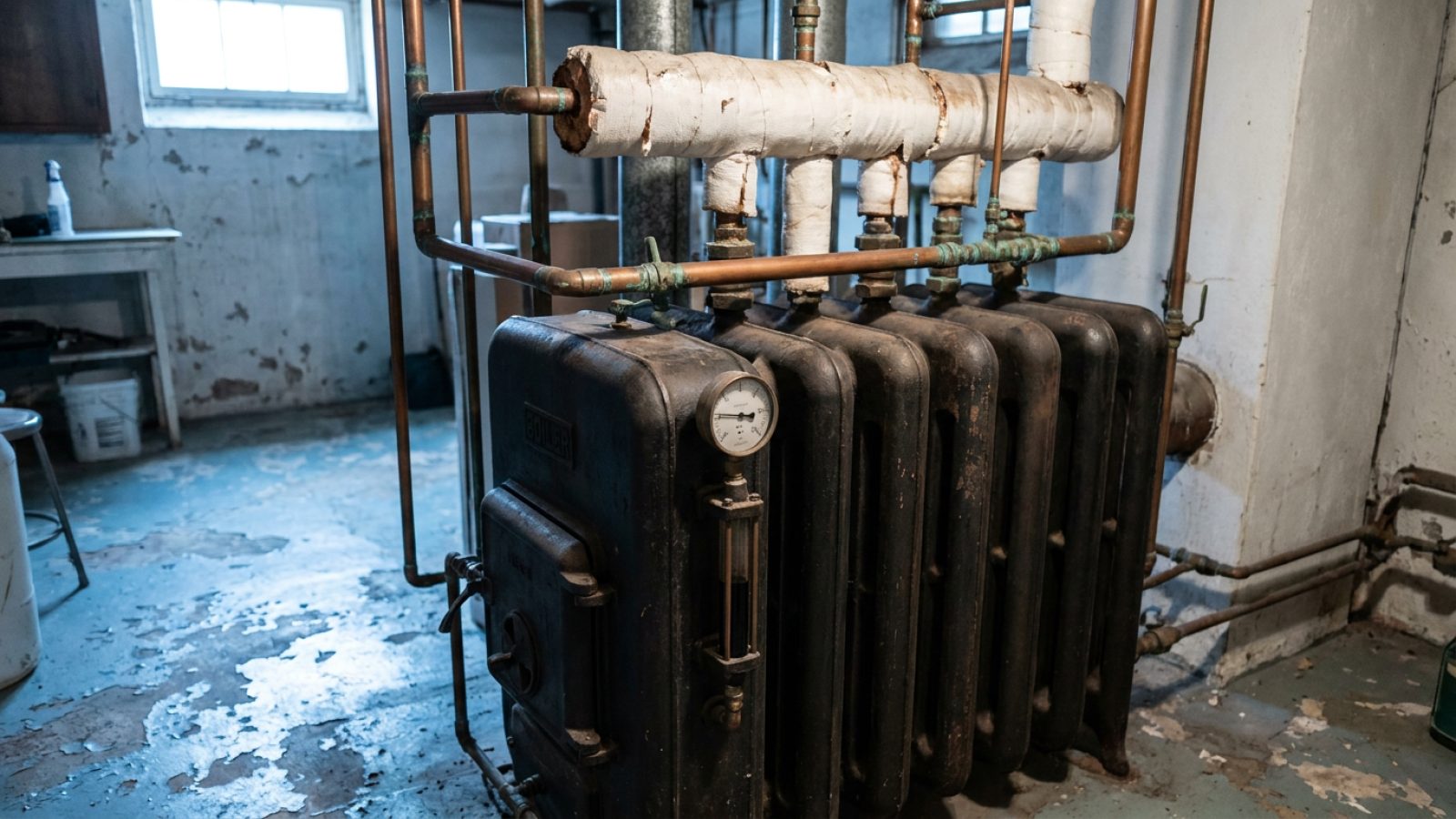
What to ask for on Boiler Repair in New Brunswick
- Same-day reply on no-heat calls in winter
- Uneven heat is usually a system problem, not a boiler problem
- Ask whether the contractor actually works on steam
- A dropping pressure gauge means a leak somewhere
- Licensed & insured We match you with contractors who hold current licensing and cover.
- Know what to ask Every page says what decides the price, so you can judge a quote.
- Free to use We never charge you. Compare quotes and walk away at any point.
- Same-day reply Inquiries answered the day they arrive, usually within a couple of hours.
How it works
Three steps, no obligation at any of them.
-
1
Call and tell us what is wrong
Describe the problem and give us your ZIP code. We match you with a licensed HVAC contractor covering your area — there is nothing to fill in and nothing to pay us.
-
2
A local contractor gets in touch
A licensed HVAC professional contacts you to discuss the problem and arrange a visit in New Brunswick. What they charge to attend or diagnose is theirs to set, so agree it with them up front.
-
3
You decide
Book the work, wait a season, or get a second quote. There is no obligation to go ahead with the contractor we introduce you to, and nothing to pay us either way.
What these repairs look like
Illustrative examples of the work described here. More in our disclaimer.
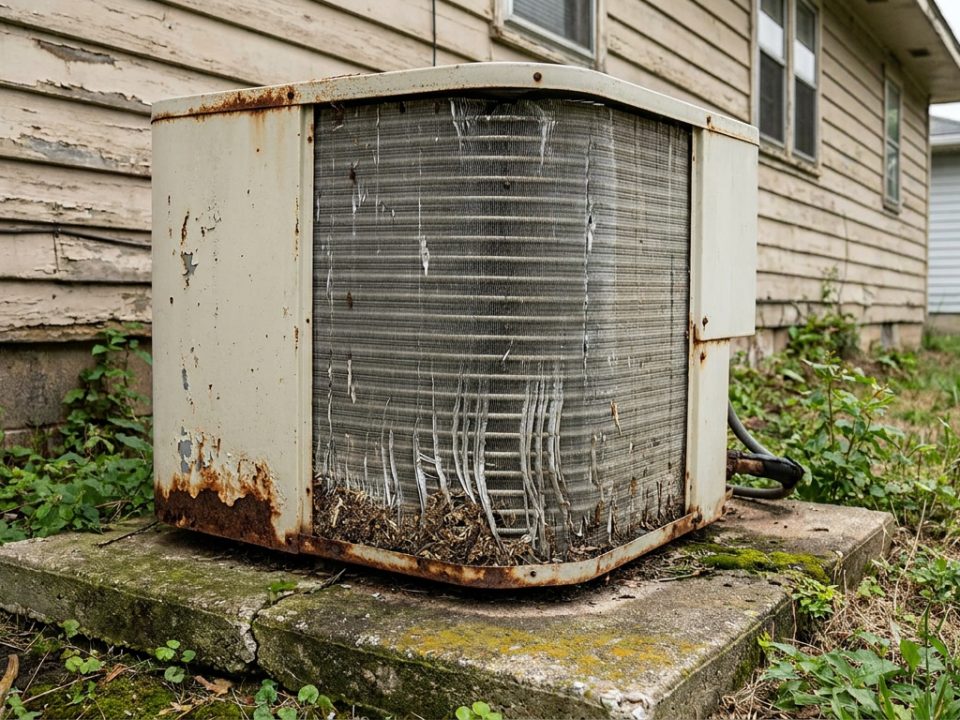
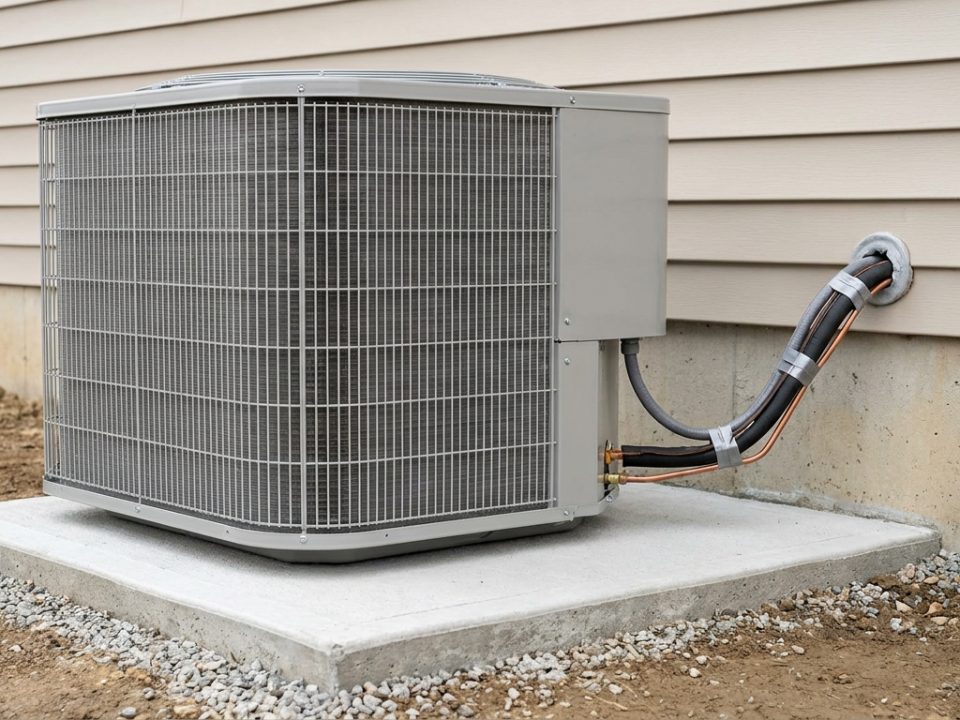
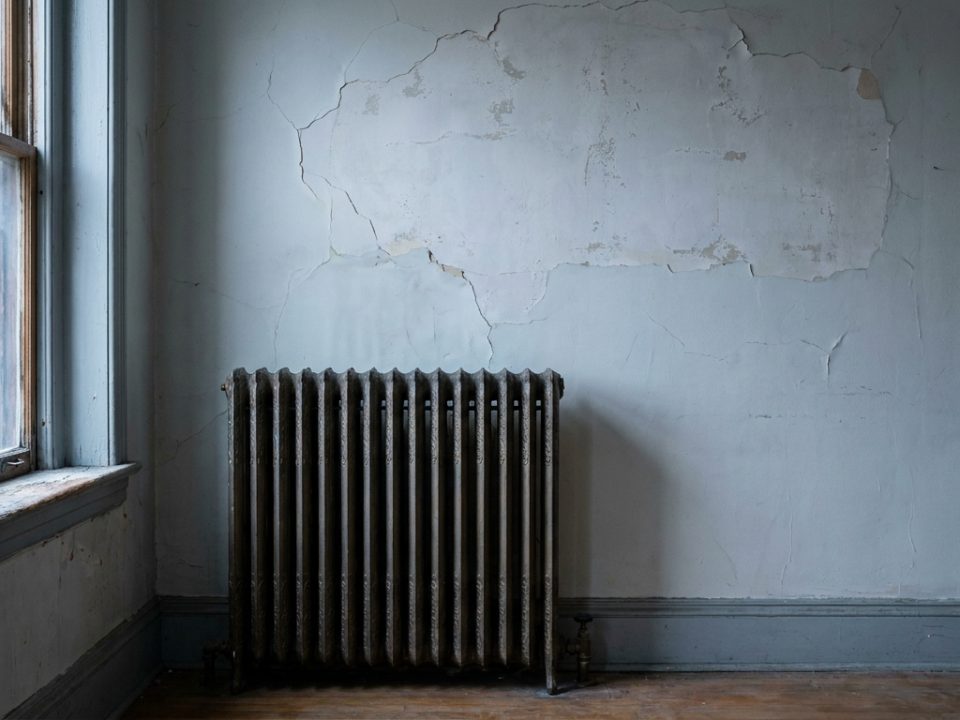
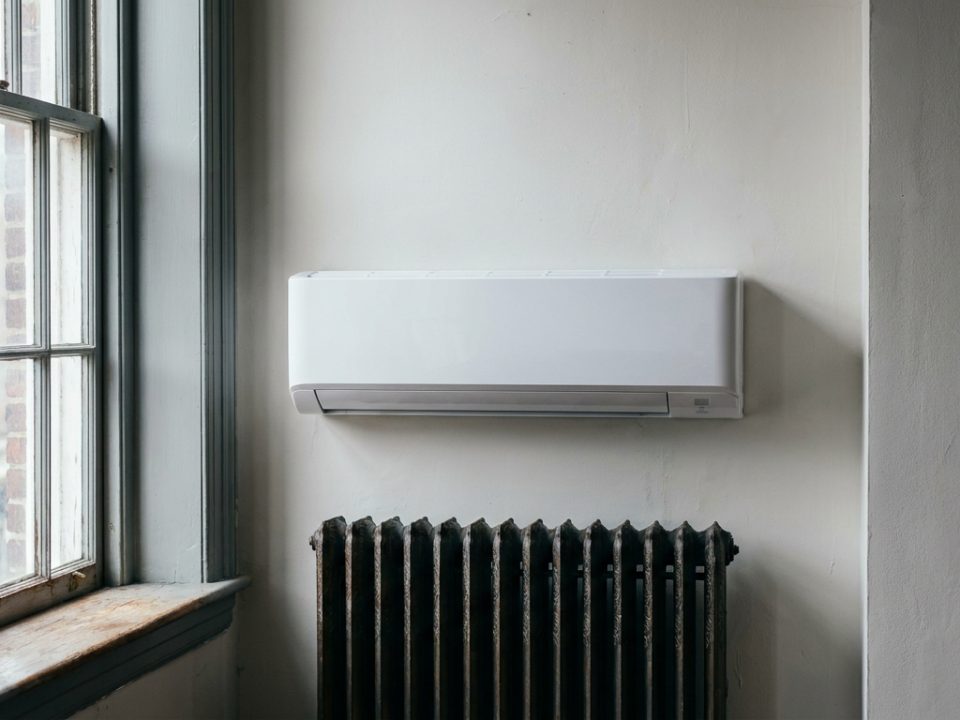
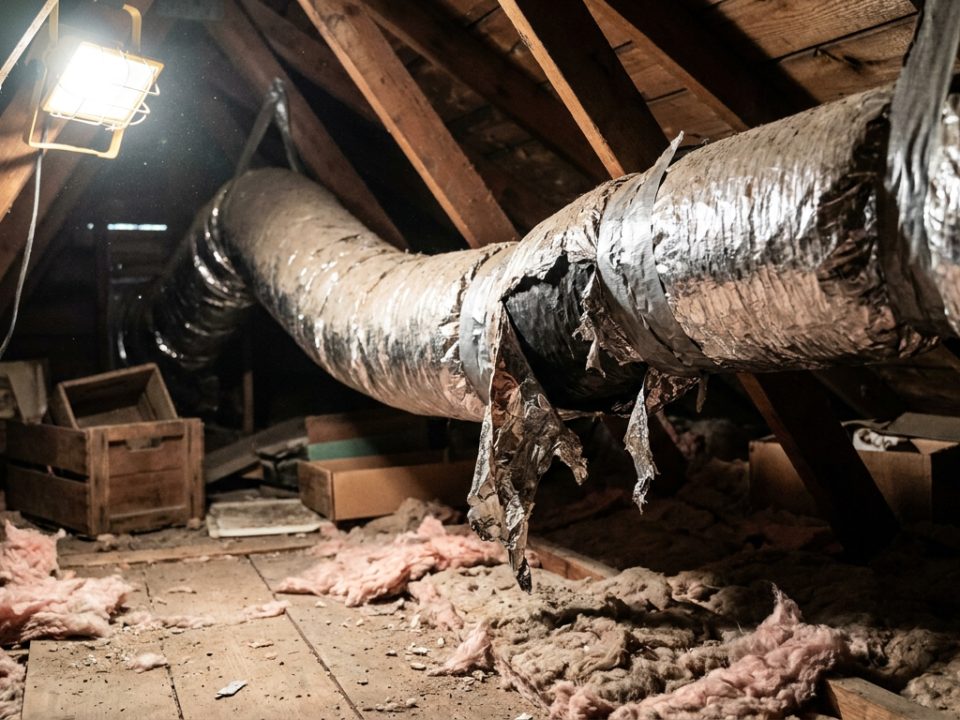
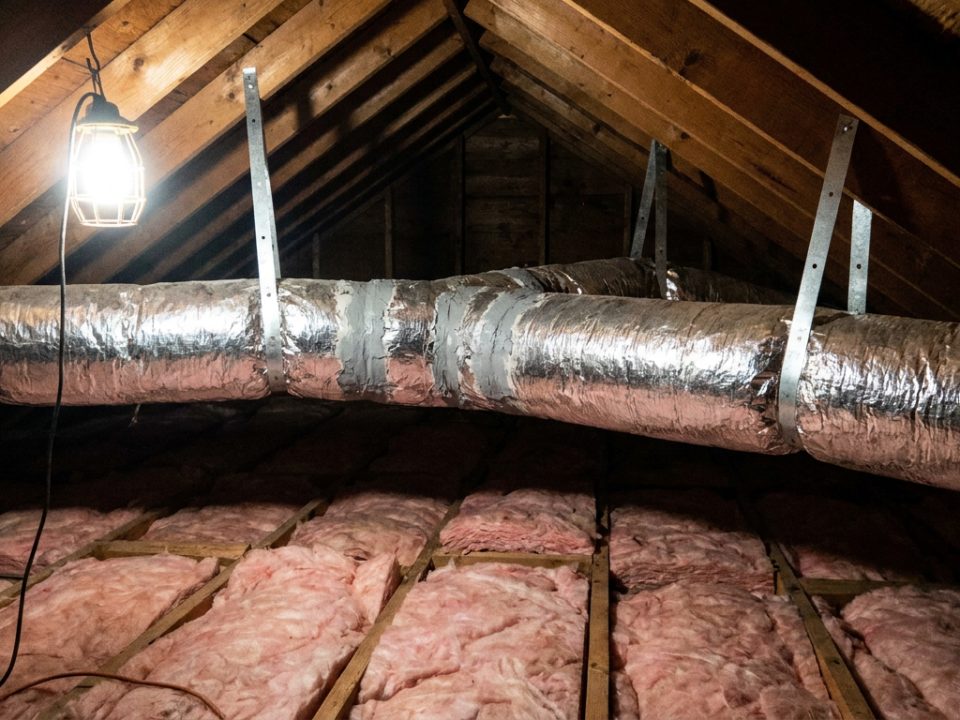
Boiler Repair in New Brunswick
Much of New Brunswick's housing was built before central cooling was normal and often before ductwork was, so heating and cooling arrived separately and at different times. That is why so many houses here run a boiler for heat and something entirely different for cooling.
About 22% of homes in New Brunswick were built before 1940 — old enough to have been built with radiators and no ductwork at all; 62% of them heat with natural gas, so furnace and boiler work is the bulk of what comes up here. (US Census ACS 2022)
Hot water: pressure, air and circulation
Different system, different failure list.
Pressure that keeps dropping
A closed system should hold its pressure. One that needs topping up is losing water — commonly at the relief valve, the expansion tank, or a fitting in the distribution piping. If an automatic feeder is quietly making it up, it is masking the leak, and the fresh water it adds brings oxygen that corrodes the system from inside.
A waterlogged expansion tank
The tank absorbs expansion as the water heats. When it loses its air charge, pressure spikes sharply on every heating cycle and dumps through the relief valve. That looks like a faulty relief valve and is not — replacing the valve without fixing the tank just repeats.
Air in the system, or a failed circulator
Gurgling and cold upper-floor radiators usually mean trapped air, which bleeding clears. A boiler that gets hot while nothing else does points at the circulator or a stuck zone valve.
What ends a boiler
Boilers are long-lived — thirty years is common on cast iron and older ones survive longer than that. A few findings genuinely end them.
A cracked or leaking section
Water visible at the block, or persistent loss with no leak findable in the piping. On cast iron this is usually terminal.
A failed heat exchanger on a modern condensing boiler
Expensive enough on an older unit to reopen the replacement question outright.
Combustion or venting faults
Anything producing carbon monoxide, or a flue that has deteriorated to the point of not drafting, is a stop-now finding rather than a scheduling matter.
The full guide: everything about boiler repair — how the job works, what decides the price, and the questions worth asking before you book — is on the service page. This page covers what is different about it in New Brunswick.
Areas we cover in New Brunswick
That includes properties near ABQ BioPark, Adams Station vicinity, Albuquerque Old Town and Balloon Fiesta Park, and everywhere else in New Brunswick.
Boiler Repair in New Brunswick — FAQs
How quickly can someone get to me in New Brunswick?
Call and we will put you in touch the same day, usually within a couple of hours during working hours. Outside the peaks an assessment is normally within a few days. During the first heat wave of the summer or the first hard freeze of the winter it stretches, which is the argument for booking servicing before the season rather than during it.
My AC is running but the house is not getting cool. What is wrong?
Usually one of four things: a blocked filter, an outdoor coil packed with debris, a failed capacitor, or low refrigerant from a leak. The first two you can check yourself in five minutes and they account for a real share of New Brunswick calls. If both are clear, it needs gauges and a meter — and if the charge is low, the leak needs finding rather than topping up.
Should I repair or replace my system?
The usual test is whether the repair costs more than about a third of a replacement on a system past two-thirds of its expected life, which is 15 to 20 years for most equipment. A compressor or heat exchanger failure on an older system generally means replacement; anything electrical on a newer one generally means repair. Ask for both numbers — a contractor who will only quote one is answering a different question.
Do you charge for a quote in New Brunswick?
Using this site is free and we never charge you anything. What a contractor charges to attend or diagnose is theirs to set — some credit a diagnostic fee against the repair, some do not — so agree that on the phone before they come out. It is a fair question and any reputable firm will answer it.
How often should my system be serviced?
Once a year for each function — cooling in spring, heating in fall — so a house with separate heating and cooling equipment ideally gets two visits. Heat pumps run year-round and are generally serviced twice. Most manufacturer warranties also require documented annual servicing, and that condition is enforced more often than people expect.
Can I get air conditioning in a New Brunswick house with no ductwork?
Yes, and in most older housing that is the sensible route. A ductless mini-split needs a three-inch hole through the wall rather than duct runs, and it heats as well as cools. Running new ducts through a finished house means opening ceilings and building soffits, and it frequently costs more than the equipment does. Get both quoted before assuming ducts are the answer.
Why does my boiler keep losing pressure?
A hot water system that loses pressure has a leak — usually the relief valve, the expansion tank, or a fitting in the distribution piping. An expansion tank that has lost its air charge shows up as pressure climbing sharply when the system heats and then dumping through the relief valve, which looks like a faulty valve and is not.
Why do my radiators bang?
On steam, water hammer — condensate trapped where steam wants to travel, almost always because a radiator or pipe run has lost its pitch. Shimming the radiator so it drains back toward the pipe fixes a surprising number of cases. Persistent banging after that usually means a sagging main in the basement.
Neighborhoods we cover in New Brunswick
HVAC work across New Brunswick and the areas around it.
- ABQ BioPark
- Adams Station vicinity
- Albuquerque Old Town
- Balloon Fiesta Park
- Buccleuch
- Central Campus Edge
- College Avenue
- Cook Campus Area
- Douglass Campus
- Downtown
- Elm Row
- Feaster Park Area
- Fifth Ward
- George Street corridor
- Hidden Lake
- Lincoln Gardens
- Old Georges Road area
- Riverfront District
Other HVAC services in New Brunswick
- Emergency HVAC Repair
- AC Repair
- AC Installation
- Ductless Mini-Split Installation
- PTAC Repair and Replacement
- Through-the-Wall AC Installation
- Furnace Repair
- Furnace Installation
- Boiler Installation
- Heat Pump Installation
- Oil to Gas Conversion
- HVAC Maintenance and Tune-Ups
- Ductwork Repair and Sealing
- Air Duct Cleaning
- Indoor Air Quality
- Coastal HVAC Corrosion Protection