Covering 1 ZIP code
Emergency HVAC Repair in Ocean City, NJ
No heat below freezing is a burst-pipe risk within hours, not a comfort problem. No cooling in a heat wave is a health risk for anyone vulnerable. A good deal else is worth knowing about before you pay after-hours rates — and this page says which is which.
- Covering 1 Ocean City ZIP code
- Free to use, no obligation
Leave the building and call from outside — that is an emergency services call, not a service call. A yellow burner flame or headaches that clear when you leave the house point the same way. For no heat in freezing weather, call rather than read on: the risk there is frozen pipes rather than comfort, and it arrives within hours.
Call about emergency in Ocean City
(949) 703-2282Free to use, and there is nothing to pay us. You are never committed to going ahead.
What happens when you call
- You describe the problem and where you are.
- We put you in touch with a licensed contractor covering that area.
- They arrange the visit and agree the price with you directly.
Worth having to hand
- Roughly how old the system is
- What it is doing — or not doing
- Your ZIP code
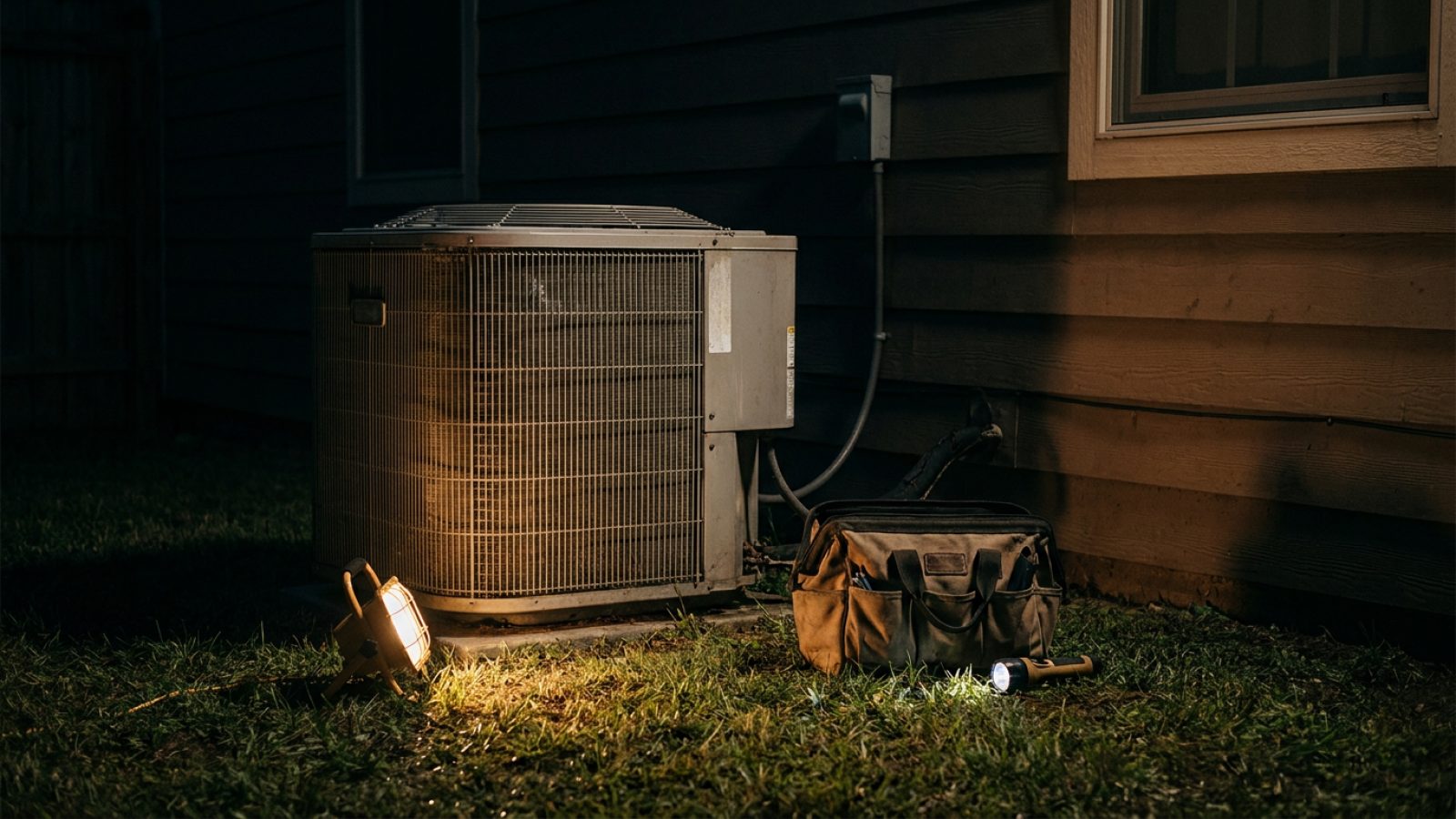
What to ask for on Emergency HVAC Repair in Ocean City
- Same-day reply, evenings and weekends included
- Ask for the after-hours rate before anyone is dispatched
- Gas smell or a CO alarm is not a service call — leave and dial 911
- What to do while you wait, on this page
- Licensed & insured We match you with contractors who hold current licensing and cover.
- Know what to ask Every page says what decides the price, so you can judge a quote.
- Free to use We never charge you. Compare quotes and walk away at any point.
- Same-day reply Inquiries answered the day they arrive, usually within a couple of hours.
How it works
Three steps, no obligation at any of them.
-
1
Call and tell us what is wrong
Describe the problem and give us your ZIP code. We match you with a licensed HVAC contractor covering your area — there is nothing to fill in and nothing to pay us.
-
2
A local contractor gets in touch
A licensed HVAC professional contacts you to discuss the problem and arrange a visit in Ocean City. What they charge to attend or diagnose is theirs to set, so agree it with them up front.
-
3
You decide
Book the work, wait a season, or get a second quote. There is no obligation to go ahead with the contractor we introduce you to, and nothing to pay us either way.
What these repairs look like
Illustrative examples of the work described here. More in our disclaimer.
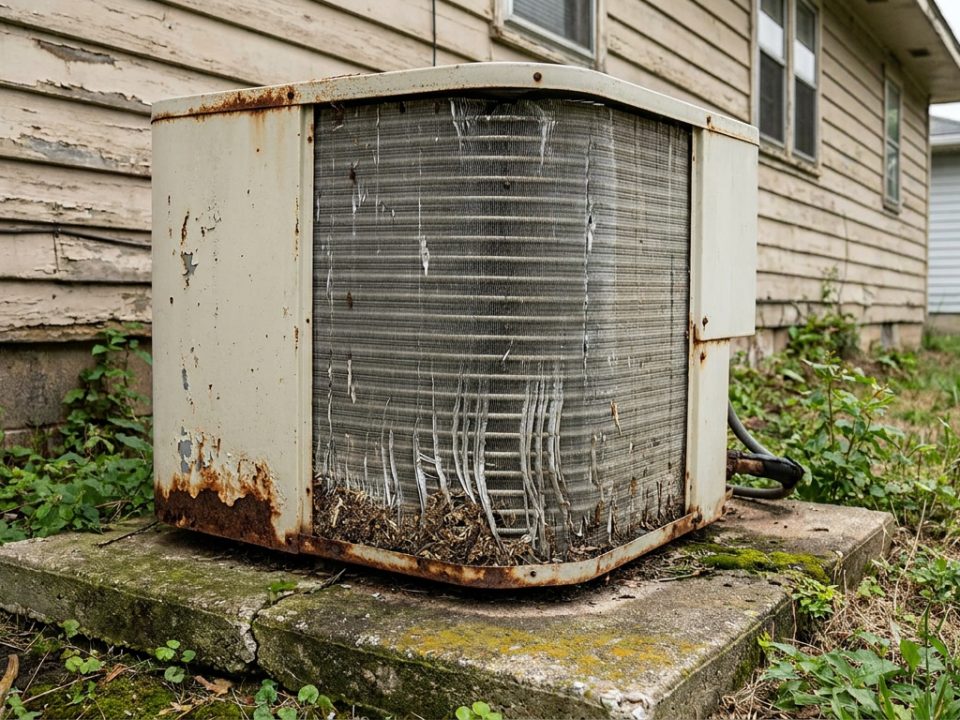
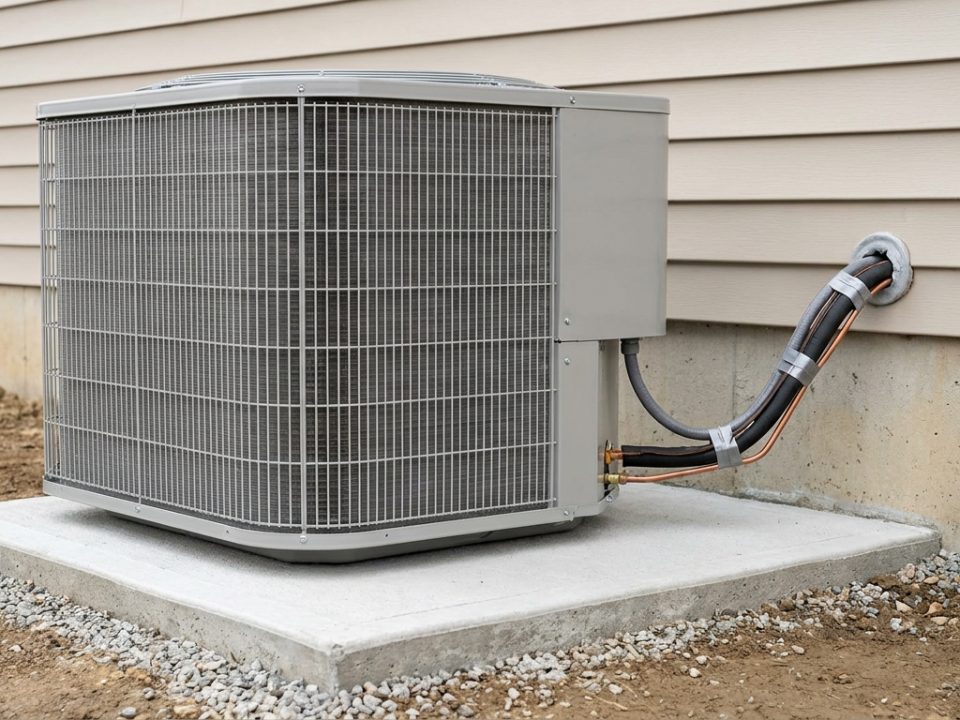
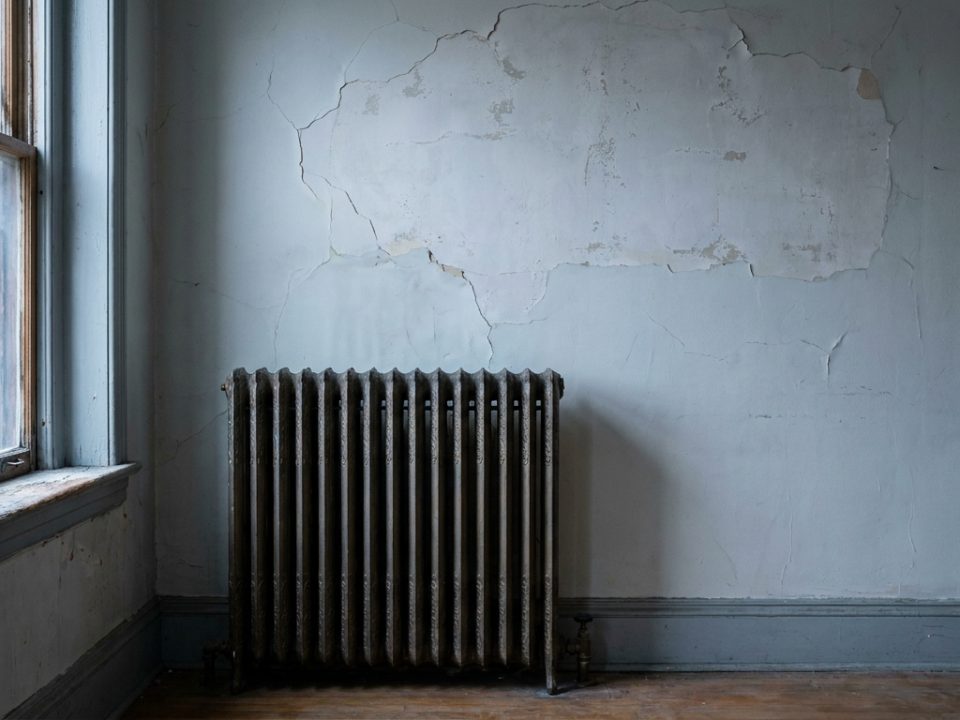
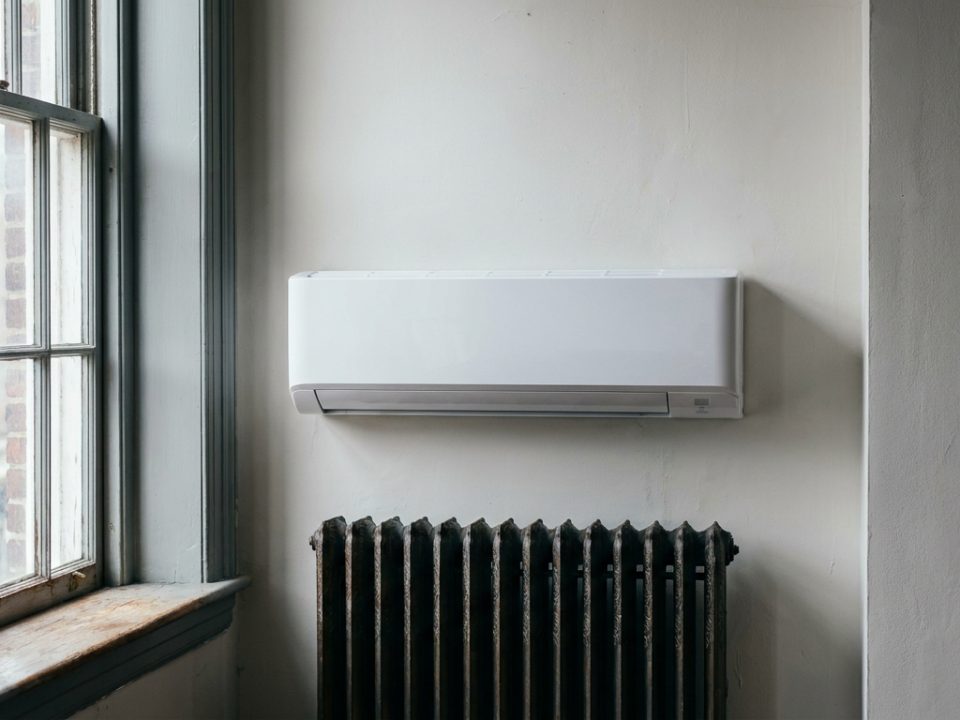
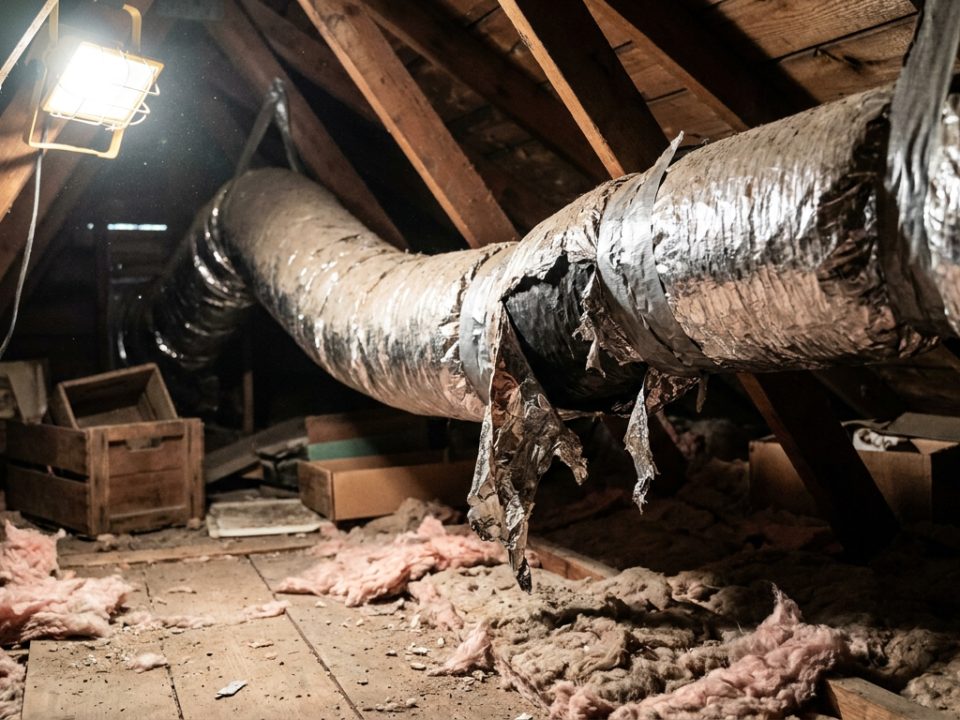
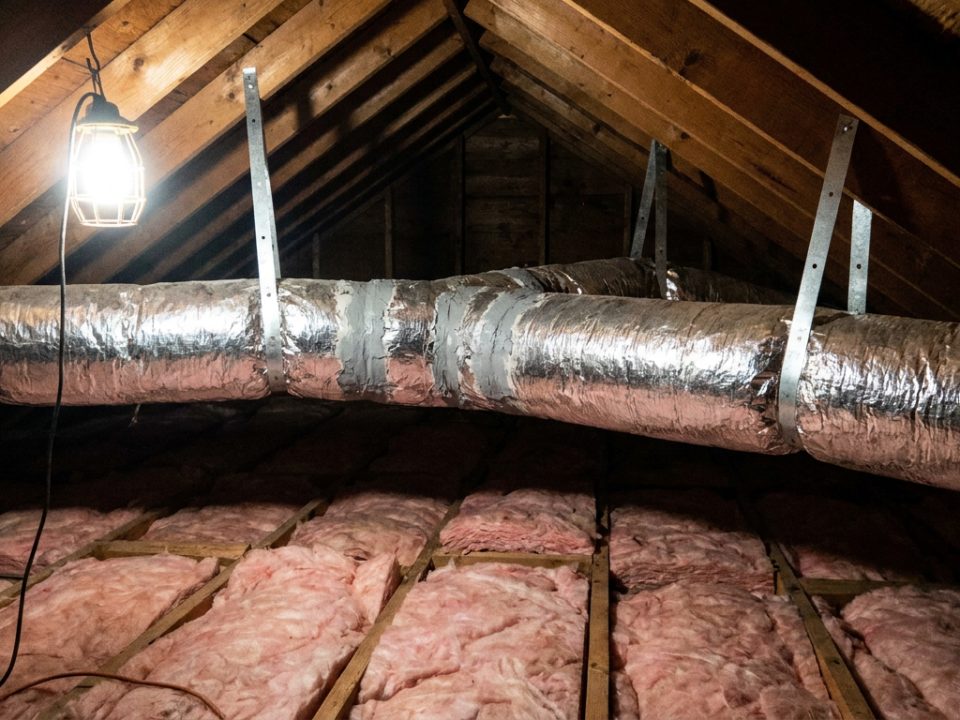
Emergency HVAC Repair in Ocean City
Two things shape HVAC work in Ocean City: the age of the building stock, and a climate that swings far enough to make both halves of the system work hard. Equipment is rarely the constraint here — fitting it to a house that was not designed for it is.
About 16% of homes in Ocean City were built before 1940 — old enough to have been built with radiators and no ductwork at all; 68% of them heat with natural gas, so furnace and boiler work is the bulk of what comes up here. (US Census ACS 2022)
Stop reading and leave the building if any of these are true
Three situations are not service calls at all, and treating them as one is how people get hurt. A carbon monoxide alarm sounding. A smell of gas — rotten eggs, because the mercaptan added to natural gas smells deliberately unpleasant. Soot or scorching around a furnace, boiler or water heater.
What to actually do
Leave. Do not switch anything on or off, including light switches, and do not use the phone indoors — call from outside. Dial 911, or your gas utility's emergency line. In New Jersey that is PSE&G, New Jersey Natural Gas, South Jersey Gas or Elizabethtown Gas depending on where you are. All four run 24-hour emergency response and none of them charge to come out and make a suspected leak safe.
Why the alarm matters even if it stops
Carbon monoxide alarms are required by law in New Jersey homes, and they do not sound without a reason. An alarm that stops has not resolved anything — it means the concentration dropped below the trigger, often because a door opened. The appliance still needs testing before it is run again. Headache, nausea and dizziness that improve when you leave the house and return when you come back is the pattern to take seriously.
What is genuinely urgent, and what can wait until morning
After-hours rates are real money, and a great many faults cost significantly less if they are looked at on a weekday morning. It is worth being able to tell the difference.
Urgent: no heat at or below freezing
This is about pipes rather than comfort. An unheated house in New Jersey's January can start freezing pipes within hours, and a burst pipe costs far more than any after-hours call-out. It is more urgent again in an unoccupied or partly occupied house, and in the older north of the state where plumbing frequently runs through uninsulated exterior walls.
Urgent: no cooling in a heat wave, where someone is vulnerable
Heat is the deadliest weather in the United States, and the risk is concentrated in the elderly, infants, and anyone with a cardiac or respiratory condition. If that describes someone in the house during a stretch above 90 degrees, treat it as urgent. A fit adult in a house that has dropped to 80 degrees is uncomfortable rather than in danger, and can wait for a weekday rate.
Usually waits: almost everything else
A noisy blower, uneven heat, a system that cools but not well, water pooling under an indoor unit once you have switched it off, a thermostat behaving strangely. These are real faults that need attention, and attention on Tuesday morning costs less than attention on Saturday night. The exception is water actively running somewhere it will do damage.
The full guide: everything about emergency hvac repair — how the job works, what decides the price, and the questions worth asking before you book — is on the service page. This page covers what is different about it in Ocean City.
Areas we cover in Ocean City
That includes properties near Central, Downtown, Historic Bay District and Lagoon District, and everywhere else in Ocean City.
Emergency HVAC Repair in Ocean City — FAQs
Do you cover all of Ocean City?
Yes, we cover Ocean City and the surrounding area. Give us your ZIP code on the call and we will confirm before arranging anything.
How quickly can someone get to me in Ocean City?
Call and we will put you in touch the same day, usually within a couple of hours during working hours. Outside the peaks an assessment is normally within a few days. During the first heat wave of the summer or the first hard freeze of the winter it stretches, which is the argument for booking servicing before the season rather than during it.
My AC is running but the house is not getting cool. What is wrong?
Usually one of four things: a blocked filter, an outdoor coil packed with debris, a failed capacitor, or low refrigerant from a leak. The first two you can check yourself in five minutes and they account for a real share of Ocean City calls. If both are clear, it needs gauges and a meter — and if the charge is low, the leak needs finding rather than topping up.
Should I repair or replace my system?
The usual test is whether the repair costs more than about a third of a replacement on a system past two-thirds of its expected life, which is 15 to 20 years for most equipment. A compressor or heat exchanger failure on an older system generally means replacement; anything electrical on a newer one generally means repair. Ask for both numbers — a contractor who will only quote one is answering a different question.
Do you charge for a quote in Ocean City?
Using this site is free and we never charge you anything. What a contractor charges to attend or diagnose is theirs to set — some credit a diagnostic fee against the repair, some do not — so agree that on the phone before they come out. It is a fair question and any reputable firm will answer it.
How often should my system be serviced?
Once a year for each function — cooling in spring, heating in fall — so a house with separate heating and cooling equipment ideally gets two visits. Heat pumps run year-round and are generally serviced twice. Most manufacturer warranties also require documented annual servicing, and that condition is enforced more often than people expect.
Is weekend or holiday repair more expensive?
Usually, and the premium is for the hour rather than the work. Expect a higher call-out fee and hourly rate outside standard hours, with holidays higher again. Ask for the figure on the phone before anyone is dispatched.
My carbon monoxide alarm went off but stopped. Is it safe?
No. An alarm that stops has not resolved anything — the concentration fell below the trigger, often because a door opened. Leave the building, call the fire department or your gas utility from outside, and do not run the appliance again until it has been tested. New Jersey requires CO alarms in homes for exactly this reason.
Other HVAC services in Ocean City
- AC Repair
- AC Installation
- Ductless Mini-Split Installation
- PTAC Repair and Replacement
- Through-the-Wall AC Installation
- Furnace Repair
- Furnace Installation
- Boiler Repair
- Boiler Installation
- Heat Pump Installation
- Oil to Gas Conversion
- HVAC Maintenance and Tune-Ups
- Ductwork Repair and Sealing
- Air Duct Cleaning
- Indoor Air Quality
- Coastal HVAC Corrosion Protection