Covering 1 ZIP code
Oil to Gas Conversion in Pleasantville, NJ
Converting is four separate jobs that happen to be quoted together, and the one most often left off a quote is the tank. In New Jersey, where a buried tank can turn into a remediation project, that omission matters more than anywhere.
- Covering 1 Pleasantville ZIP code
- Free to use, no obligation
Leave the building and call from outside — that is an emergency services call, not a service call. A yellow burner flame or headaches that clear when you leave the house point the same way. For no heat in freezing weather, call rather than read on: the risk there is frozen pipes rather than comfort, and it arrives within hours.
Call about oil to gas conversion in Pleasantville
(949) 703-2282Free to use, and there is nothing to pay us. You are never committed to going ahead.
What happens when you call
- You describe the problem and where you are.
- We put you in touch with a licensed contractor covering that area.
- They arrange the visit and agree the price with you directly.
Worth having to hand
- Roughly how old the system is
- What it is doing — or not doing
- Your ZIP code
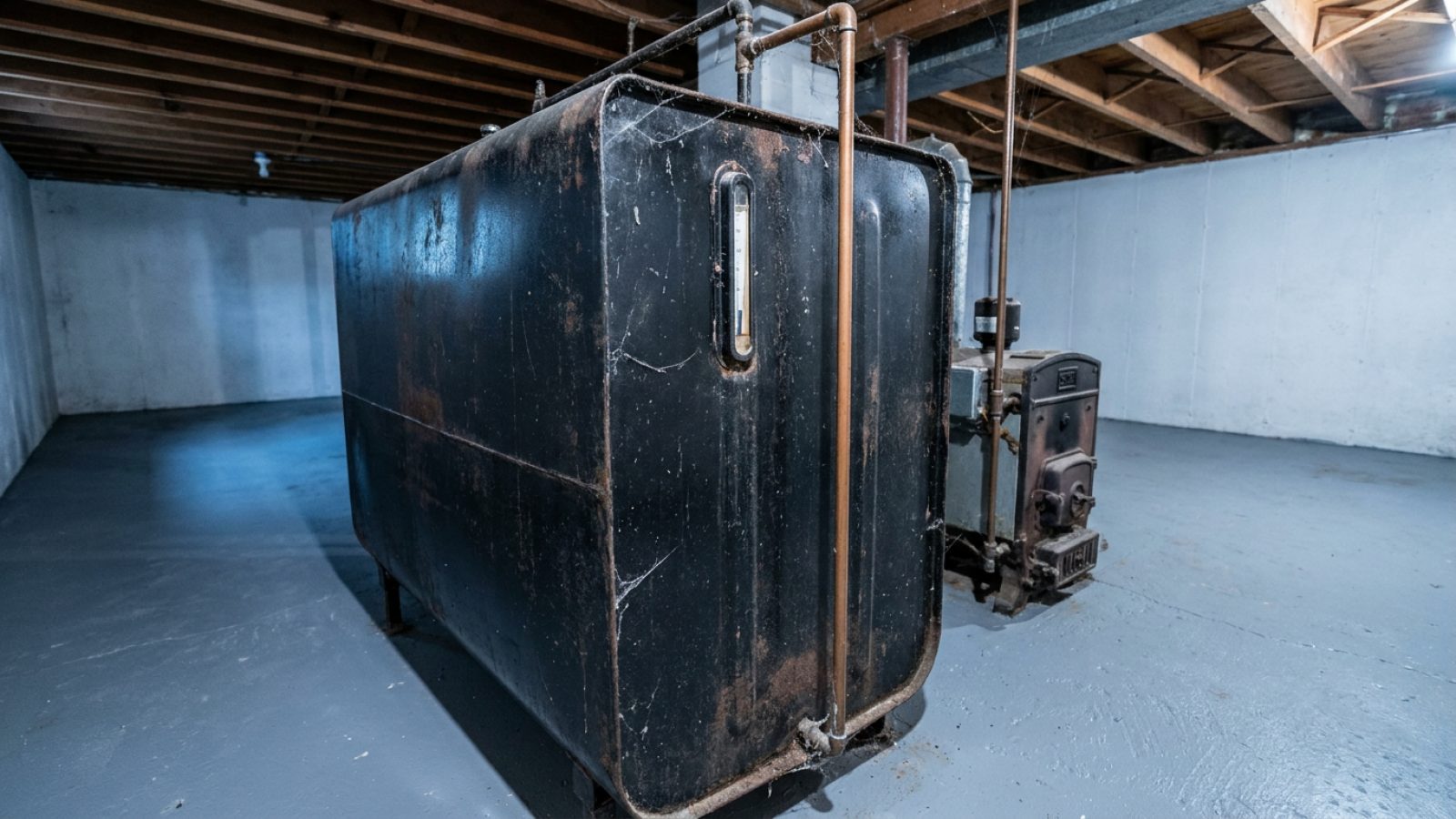
What to ask for on Oil to Gas Conversion in Pleasantville
- Time it to coincide with equipment that is due anyway
- The gas service line comes from the utility, on their timeline
- Tank removal or abandonment must be done to code
- Flue relining belongs on the quote, not discovered later
- Licensed & insured We match you with contractors who hold current licensing and cover.
- Know what to ask Every page says what decides the price, so you can judge a quote.
- Free to use We never charge you. Compare quotes and walk away at any point.
- Same-day reply Inquiries answered the day they arrive, usually within a couple of hours.
How it works
Three steps, no obligation at any of them.
-
1
Call and tell us what is wrong
Describe the problem and give us your ZIP code. We match you with a licensed HVAC contractor covering your area — there is nothing to fill in and nothing to pay us.
-
2
A local contractor gets in touch
A licensed HVAC professional contacts you to discuss the problem and arrange a visit in Pleasantville. What they charge to attend or diagnose is theirs to set, so agree it with them up front.
-
3
You decide
Book the work, wait a season, or get a second quote. There is no obligation to go ahead with the contractor we introduce you to, and nothing to pay us either way.
What these repairs look like
Illustrative examples of the work described here. More in our disclaimer.
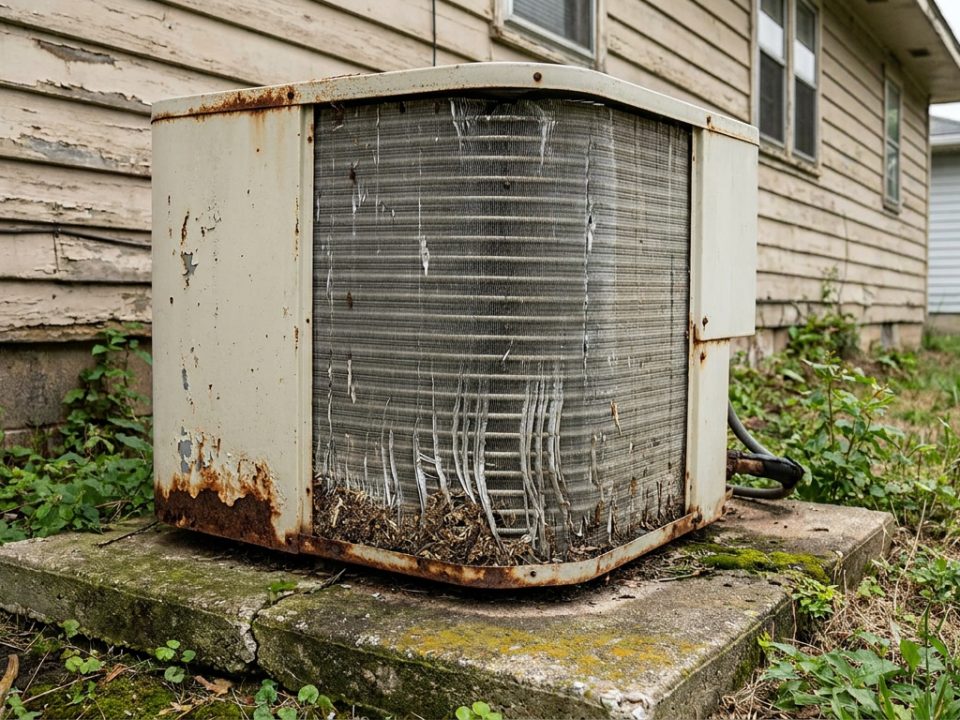
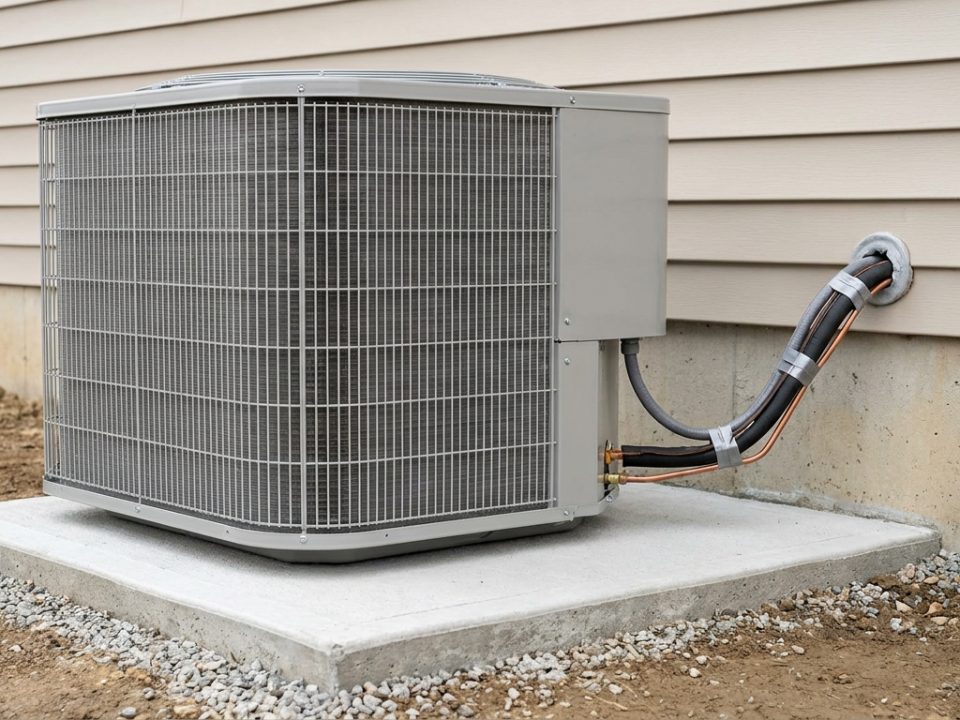
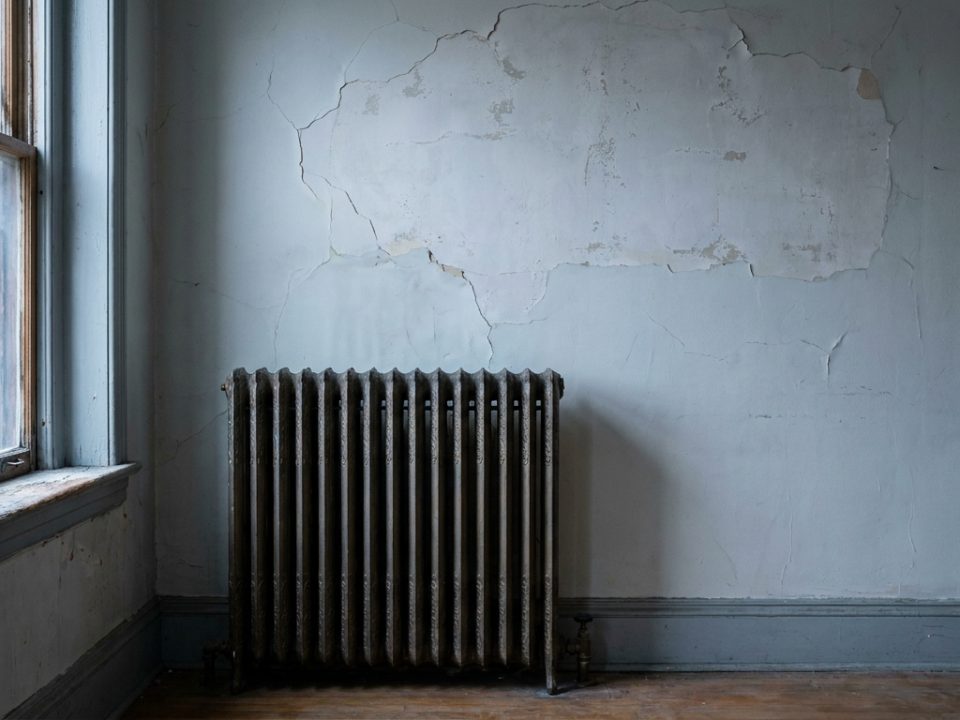
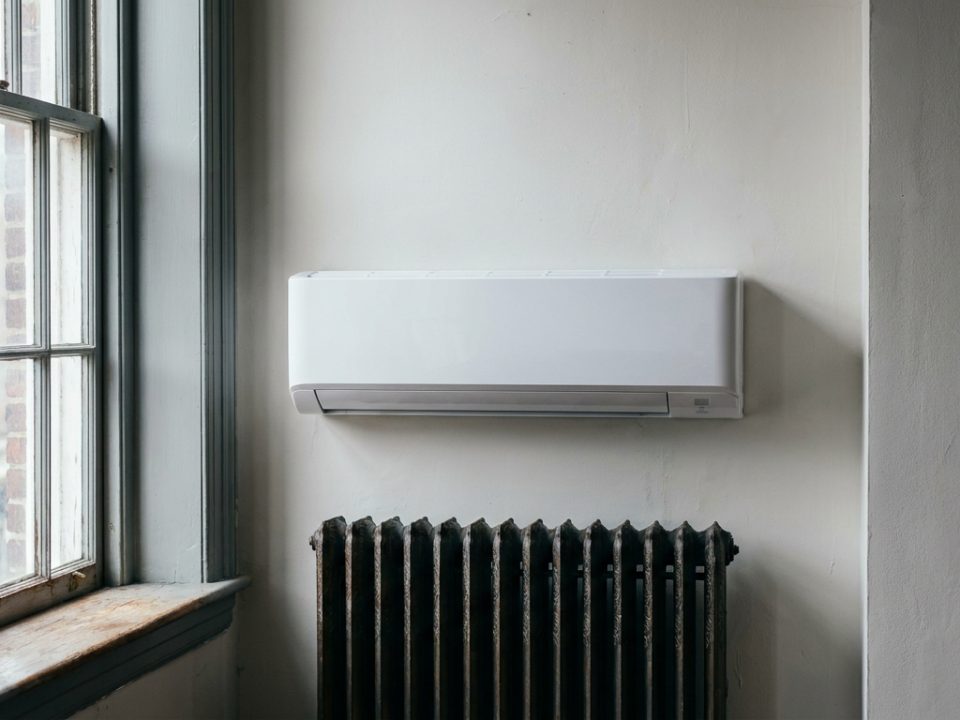
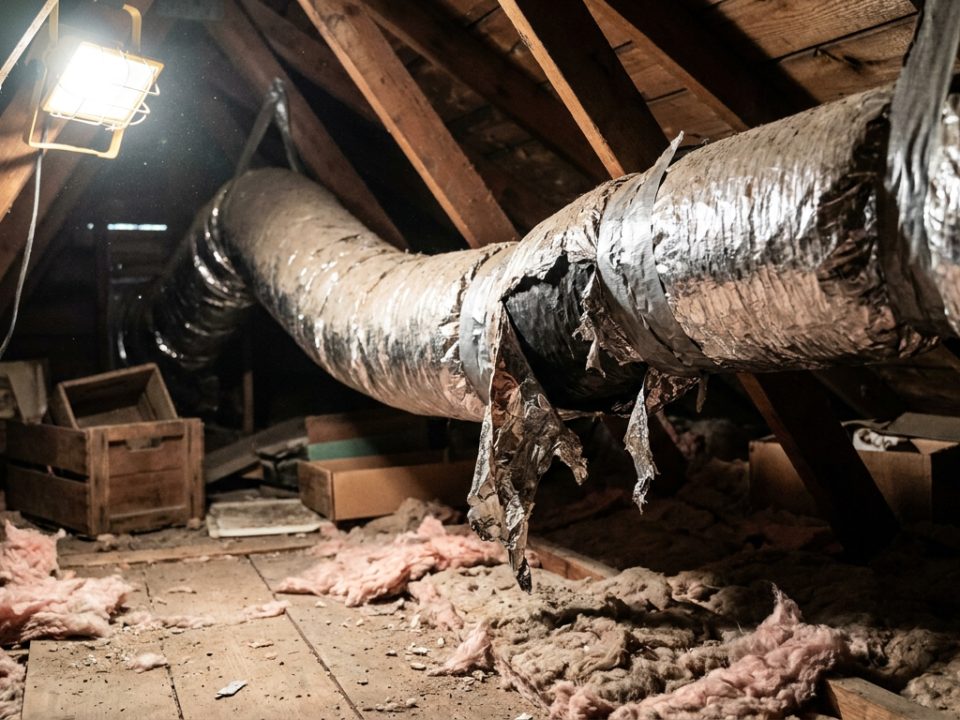
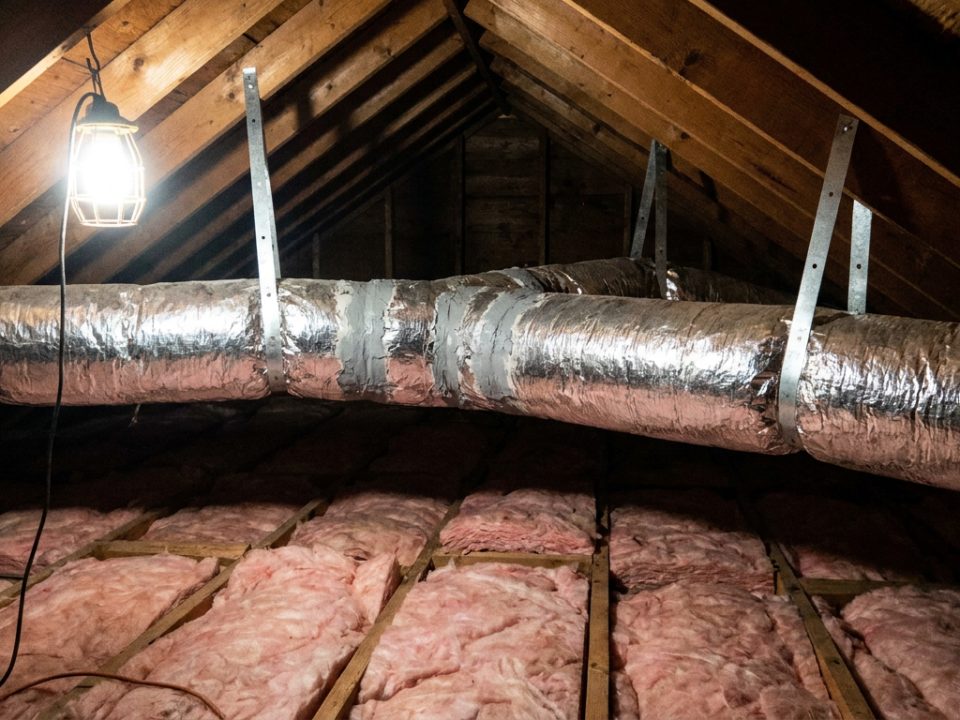
Oil to Gas Conversion in Pleasantville
Equipment in Pleasantville has to cover a wider range than most of the country asks for — hard winter cold at one end and humid stretches in the eighties and nineties at the other. A system sized for the middle of that range disappoints at both ends of it.
About 27% of homes in Pleasantville were built before 1940 — old enough to have been built with radiators and no ductwork at all; 70% of them heat with natural gas, so furnace and boiler work is the bulk of what comes up here. (US Census ACS 2022)
The four jobs inside one quote
A conversion is rarely just a boiler swap, and understanding the parts is how you tell a complete quote from a cheap one.
One: the gas service
A supply line from the main in the street, plus a meter. That comes from your utility — PSE&G, New Jersey Natural Gas, South Jersey Gas or Elizabethtown Gas — on their schedule rather than your contractor's, and lead times vary by season and by how much digging is involved. Establish first whether there is even gas in your street; in parts of Sussex, Warren and rural Salem there is not.
Two: the appliance
A gas boiler or furnace, sized properly for the house rather than matched to the oil unit being removed. Oil equipment was frequently oversized, and carrying that error across is a common and expensive mistake.
Three: the tank
Covered in full below, because in New Jersey it is the item most likely to change the total.
Four: the flue
A flue sized for oil is too large for a modern gas appliance. The gases move slower and cooler, condense against the masonry, and that moisture is acidic. Left alone it destroys the chimney from the inside over a few years and can stop the flue drafting properly, which is a combustion safety problem. Relining is the normal answer and it belongs on the quote.
The oil tank, and why New Jersey is different
This is the part that catches people out, and the reason a conversion here needs more care than the same job in a state without New Jersey's history of buried tanks.
Aboveground tanks are straightforward
A tank in the basement or beside the house is drained, cut up and removed. It is disruptive for a day and rarely produces surprises.
Underground tanks are not
Thousands of New Jersey homes have or had a buried oil tank, many installed decades ago with no cathodic protection. They corrode and leak, and a leak is a contaminated soil problem regulated by the New Jersey Department of Environmental Protection. The work is done either by removal or by closure in place, and both are governed processes with documentation attached.
Why the paperwork matters at resale
A tank that was removed or closed properly comes with documentation, and that document is what a buyer's attorney will ask for. A tank that was quietly filled with sand by somebody's cousin twenty years ago becomes a problem at closing rather than at the time. If you are converting, do the tank properly and keep the paperwork.
Grant funding has existed
New Jersey has at various points run funding to help with residential tank removal and remediation. Availability changes, so ask a contractor who does this work here regularly rather than assuming either way.
The full guide: everything about oil to gas conversion — how the job works, what decides the price, and the questions worth asking before you book — is on the service page. This page covers what is different about it in Pleasantville.
Areas we cover in Pleasantville
That includes properties near Atlantic County Park Area, Decatur Avenue Corridor, Pleasantville Lake and Pleasantville Municipal Complex, and everywhere else in Pleasantville.
Oil to Gas Conversion in Pleasantville — FAQs
Do heat pumps work through a Pleasantville winter?
Cold-climate models do, holding useful output well below freezing, and most installations here keep a backup for the coldest stretches. What decides it is your current fuel cost against your electricity rate, and which New Jersey incentives you qualify for — the state Whole Home program and your electric utility stack, and the amounts change from year to year.
What qualifications should a Pleasantville HVAC company have?
Ask for three things and check them: current liability insurance, the appropriate license for your municipality, and EPA Section 608 certification for anyone handling refrigerant. Ask to see the documents rather than taking the logo on the van as proof. For gas work in particular, licensing exists because the failure modes are carbon monoxide and fire.
Can you work on a rental or multi-family property in Pleasantville?
Yes. Ask the contractor for the findings in writing so a landlord or managing agent can act on them. In apartment buildings the usual complication is what the building permits — which equipment, mounted where, and by whose contractor — so that is worth establishing before anything is ordered.
My Pleasantville house is pre-war — what does that change?
A good deal. About 27% of homes in Pleasantville were built before 1940 (US Census ACS 2023), which usually means radiators rather than ducts, and that decides most of what follows. Heating is a boiler question — venting, balancing, cold radiators — rather than a furnace one. Cooling has to arrive without ductwork, so ductless heads, PTACs or window units are the realistic options. And a high-efficiency replacement often leaves the water heater alone on a flue that is now far too large for it, which needs addressing at the same time rather than later.
What HVAC problem is most common around Pleasantville?
Salt corrosion on anything outdoors, at a pace that surprises owners who moved from inland. That pattern is regional rather than universal — the southern shore — Atlantic City, Ocean City, the Wildwoods and Cape May. It is worth knowing before you book, because it tells you what someone should be looking hardest at here.
How much does HVAC repair cost in Pleasantville?
It depends on which part has failed, and the spread is wide. Capacitors, contactors, igniters, thermostats and blocked condensate drains are the inexpensive end and are usually done in one visit. Blower motors, control boards, gas valves and refrigerant leak repairs are the expensive end, and on an older system are worth weighing against replacement. the Jersey Shore labor rates are a little above the state average. Call and describe the symptom and we will put you in touch with someone who can price it properly against your equipment.
Do I have to remove the oil tank?
Not always — closure in place is a recognized option for some underground tanks — but it has to be done properly and documented either way. What you should not do is leave an abandoned tank undocumented: it becomes a title and disclosure problem at resale, and if it has leaked it is a remediation matter regulated by NJDEP.
How long does a conversion take?
The appliance work is usually a few days. The calendar is set by the utility service line and meter, which can take weeks depending on season and how much excavation is needed. Start the utility application early — it is the long pole, not the boiler.
Other HVAC services in Pleasantville
- Emergency HVAC Repair
- AC Repair
- AC Installation
- Ductless Mini-Split Installation
- PTAC Repair and Replacement
- Through-the-Wall AC Installation
- Furnace Repair
- Furnace Installation
- Boiler Repair
- Boiler Installation
- Heat Pump Installation
- HVAC Maintenance and Tune-Ups
- Ductwork Repair and Sealing
- Air Duct Cleaning
- Indoor Air Quality
- Coastal HVAC Corrosion Protection