Covering 1 ZIP code
Coastal HVAC Corrosion Protection at the Jersey Shore in Port Republic, NJ
A condenser two blocks from the ocean fails at eight to twelve years where the identical unit twenty miles inland runs past fifteen. The countermeasures are unglamorous, cheap, and they work — and one popular one makes it worse.
- Covering 1 Port Republic ZIP code
- Free to use, no obligation
Leave the building and call from outside — that is an emergency services call, not a service call. A yellow burner flame or headaches that clear when you leave the house point the same way. For no heat in freezing weather, call rather than read on: the risk there is frozen pipes rather than comfort, and it arrives within hours.
Call about coastal protection in Port Republic
(949) 703-2282Free to use, and there is nothing to pay us. You are never committed to going ahead.
What happens when you call
- You describe the problem and where you are.
- We put you in touch with a licensed contractor covering that area.
- They arrange the visit and agree the price with you directly.
Worth having to hand
- Roughly how old the system is
- What it is doing — or not doing
- Your ZIP code
What to ask for on Coastal HVAC Corrosion Protection in Port Republic
- Salt attacks the coil first, and it presents as a refrigerant leak
- A freshwater rinse a few times a season genuinely extends life
- Specify a coated or corrosion-resistant coil at replacement
- A fitted cover left on traps moisture against the fins
- Licensed & insured We match you with contractors who hold current licensing and cover.
- Know what to ask Every page says what decides the price, so you can judge a quote.
- Free to use We never charge you. Compare quotes and walk away at any point.
- Same-day reply Inquiries answered the day they arrive, usually within a couple of hours.
How it works
Three steps, no obligation at any of them.
-
1
Call and tell us what is wrong
Describe the problem and give us your ZIP code. We match you with a licensed HVAC contractor covering your area — there is nothing to fill in and nothing to pay us.
-
2
A local contractor gets in touch
A licensed HVAC professional contacts you to discuss the problem and arrange a visit in Port Republic. What they charge to attend or diagnose is theirs to set, so agree it with them up front.
-
3
You decide
Book the work, wait a season, or get a second quote. There is no obligation to go ahead with the contractor we introduce you to, and nothing to pay us either way.
What these repairs look like
Illustrative examples of the work described here. More in our disclaimer.
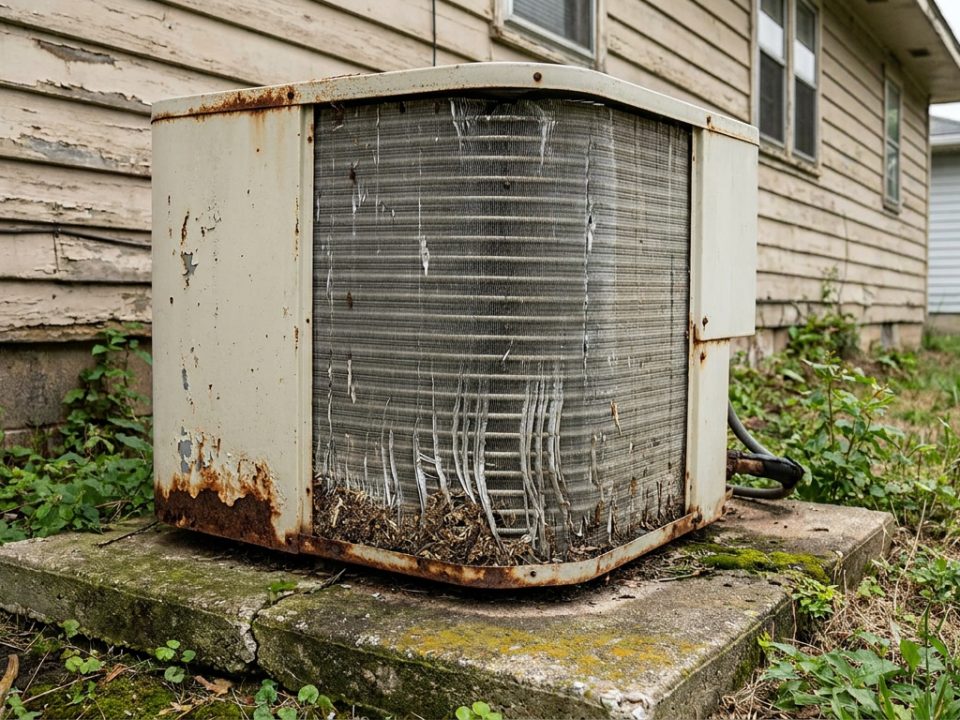
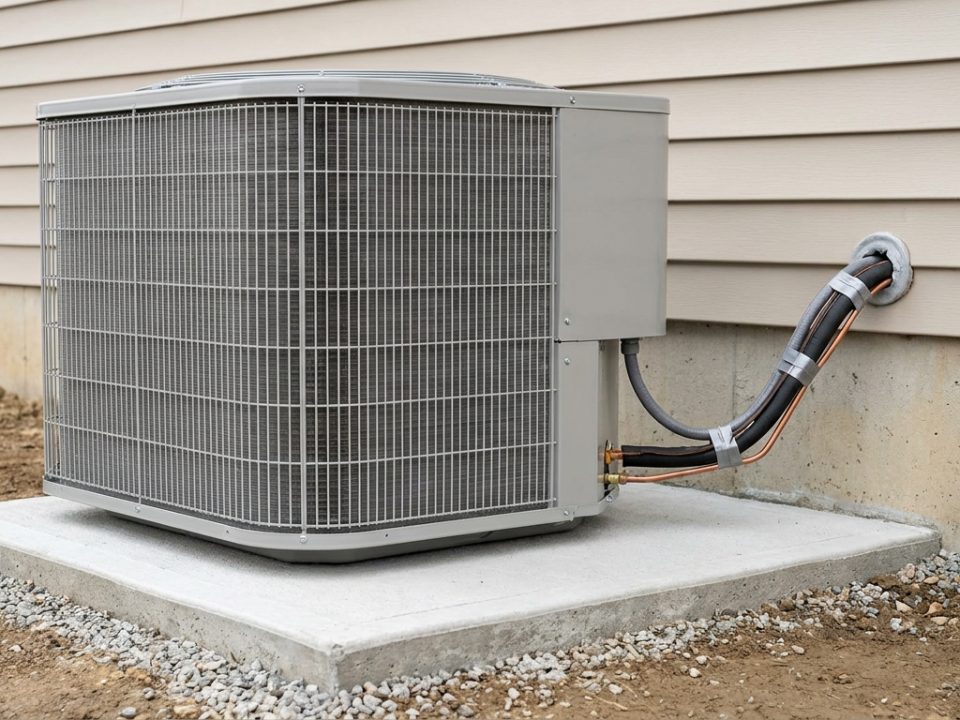
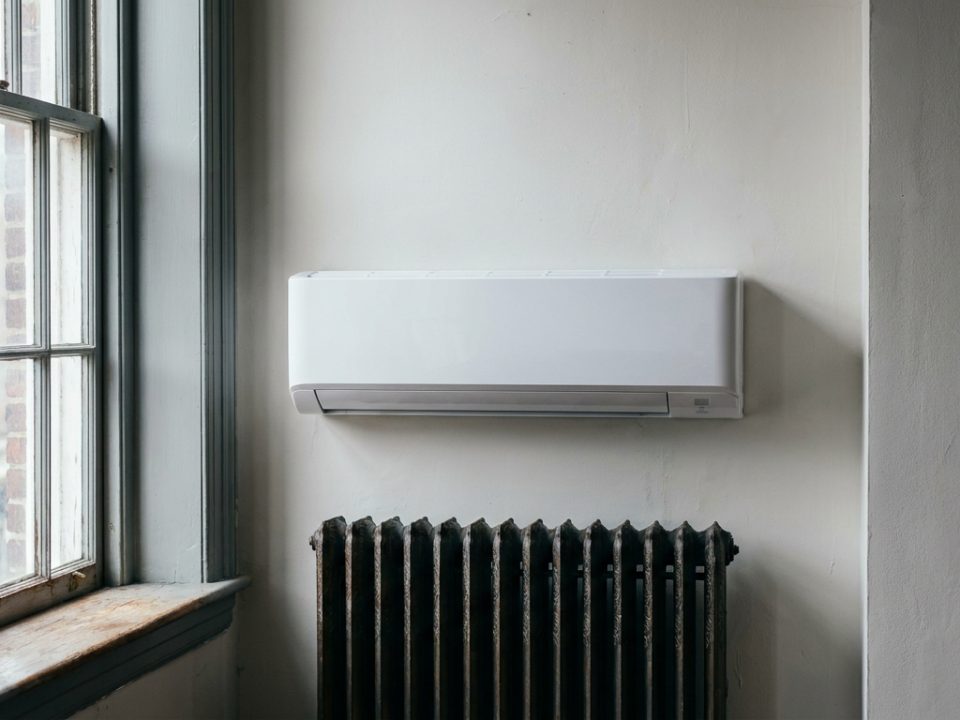
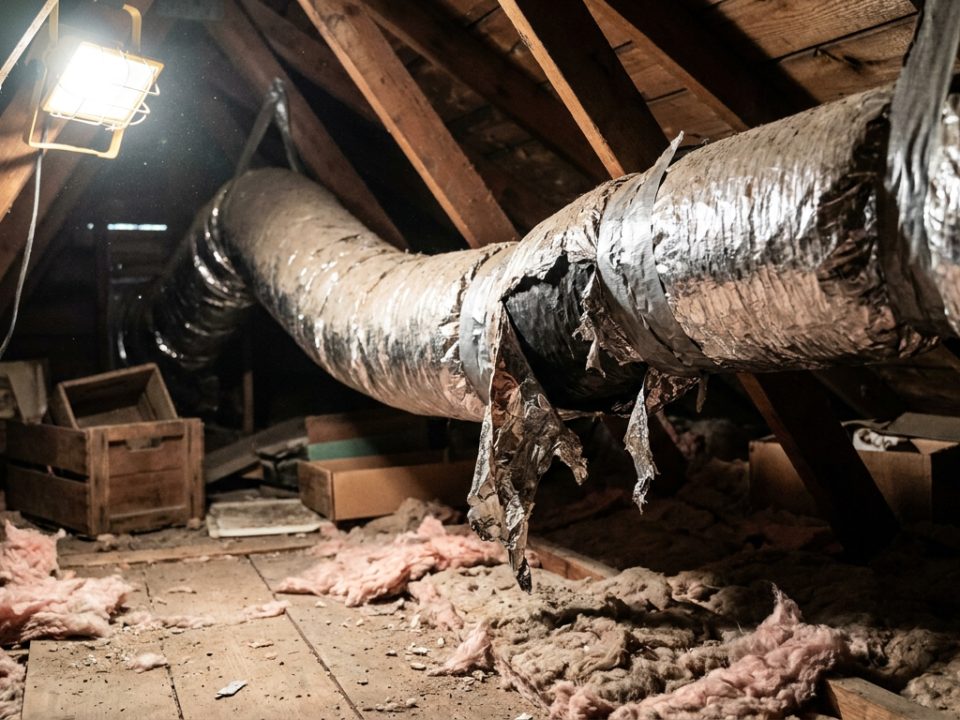
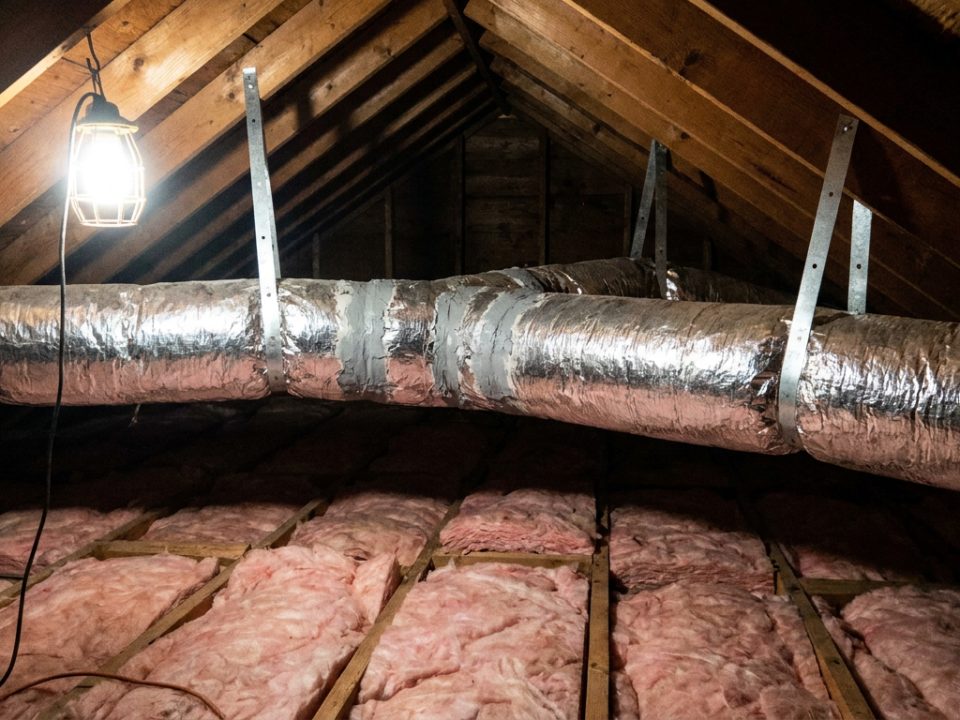
Coastal HVAC Corrosion Protection in Port Republic
Equipment in Port Republic has to cover a wider range than most of the country asks for — hard winter cold at one end and humid stretches in the eighties and nineties at the other. A system sized for the middle of that range disappoints at both ends of it.
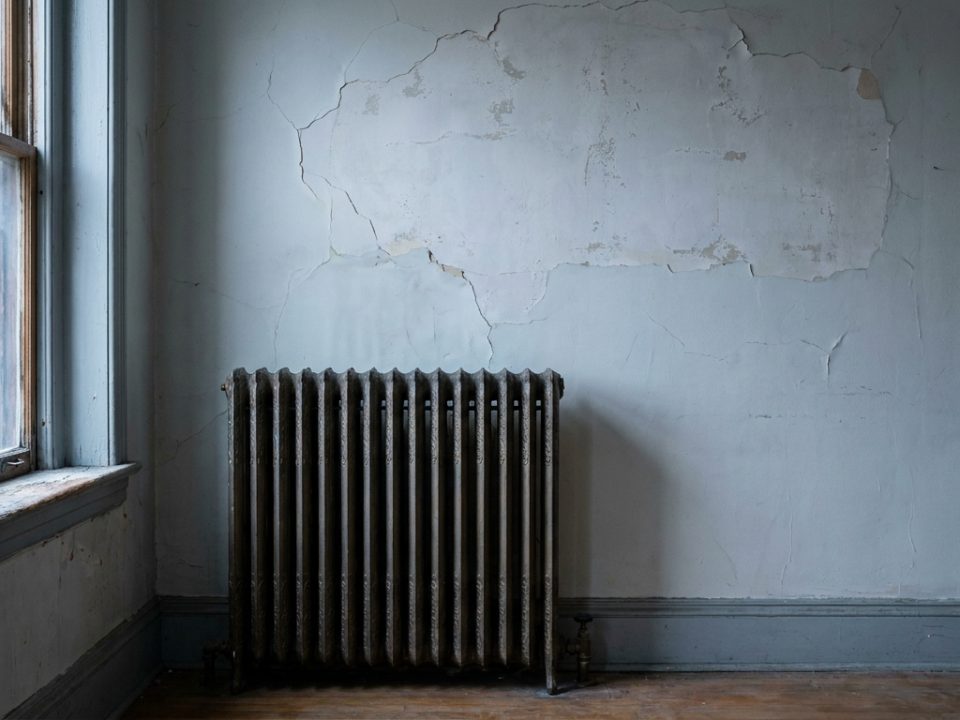
About 17% of homes in Port Republic were built before 1940 — old enough to have been built with radiators and no ductwork at all; 29% of them still heat with oil, which is the strongest case in the state for either a gas conversion or a cold-climate heat pump. (US Census ACS 2022)
The cover that makes it worse
This is the most common well-intentioned mistake at the shore, and it is worth being blunt about.
A full wrap traps moisture
A fitted vinyl cover pulled over the whole unit through the off-season keeps rain out and keeps humidity in. The fins stay permanently damp, salt already on them stays wet and active, and corrosion accelerates rather than pausing. It also makes an excellent winter home for rodents, which chew wiring.
If you cover anything, cover the top only
A lid that keeps leaves and debris out of the fan while leaving the sides completely open is the sensible version. Manufacturers generally say the unit does not need covering at all — it was designed to sit outside.
Seasonal properties need a start-up, not a wrap
A house shut from October to May is better served by a proper start-up before the season than by anything done to it over winter. Systems fail on the first hot weekend precisely because nothing has run since September, and that is a bad weekend to be looking for a technician on the shore.
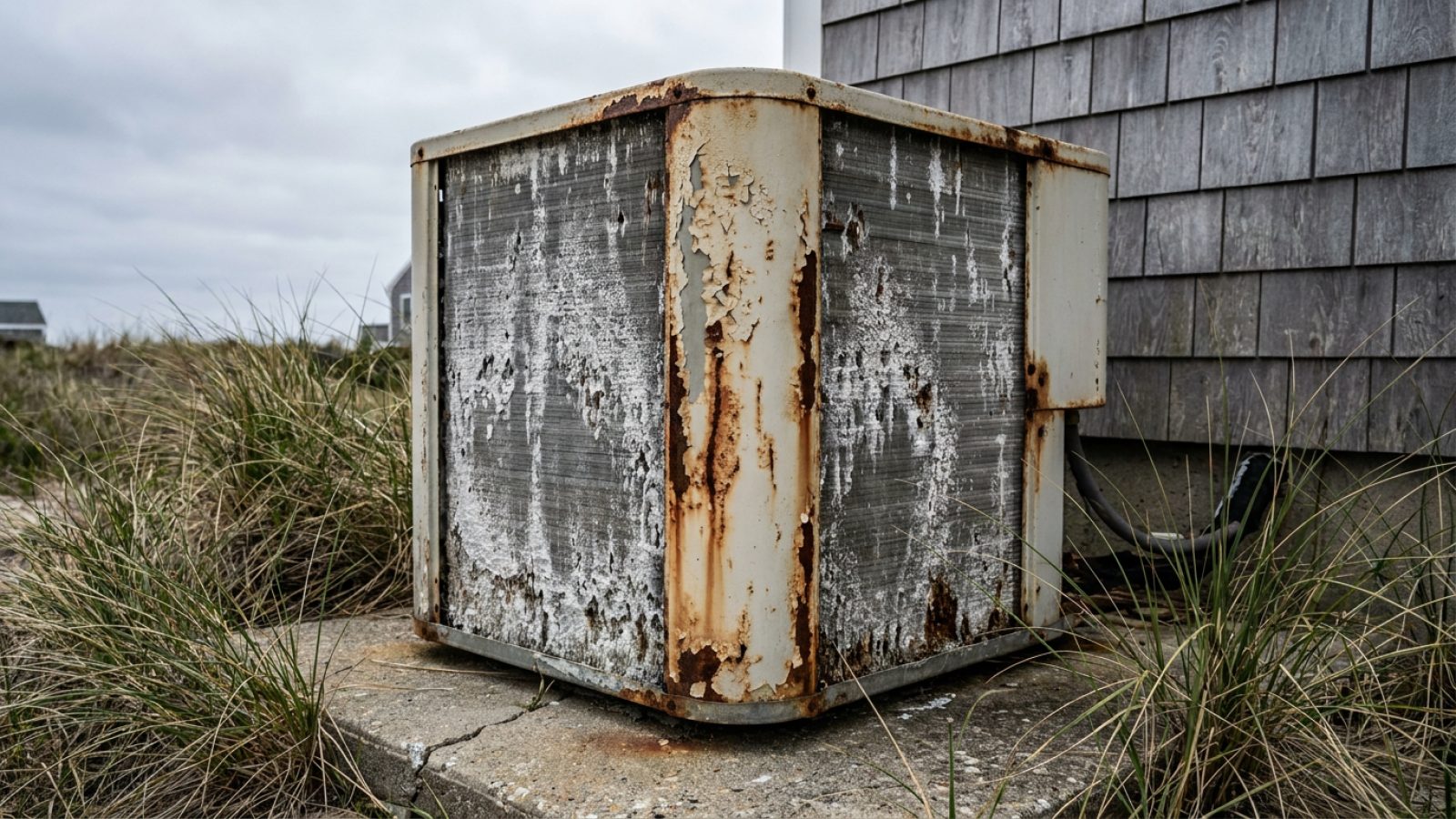
What salt actually does to a condenser
Sea air carries chloride, and chloride is aggressive toward the aluminum fins and copper tubing that make up a condenser coil. It attacks the joint between them preferentially — galvanic corrosion between two dissimilar metals in the presence of salt and moisture.
The coil is the part that fails, and it fails from the outside in, which is why a shore system can look fine and still be finished.
Why it presents as a refrigerant leak
Corrosion eventually perforates the thin aluminum at the fin-to-tube joint and the charge escapes. The owner experiences a system that cools progressively less well through a season and then stops. A technician finds it low on charge. Both are true, but the cause is the air — and adding refrigerant to a corroded coil is money into something that will leak again within months.
How close is close
Exposure falls off with distance from the water but not sharply, and prevailing wind matters as much as raw distance. On the barrier islands — Ocean City, the Wildwoods, Long Beach Island, Brigantine — assume heavy exposure. Along the bayfront and within a couple of miles inland, assume moderate. Manufacturers publish corrosion warranties that quietly reflect this.
The full guide: everything about coastal hvac corrosion protection — how the job works, what decides the price, and the questions worth asking before you book — is on the service page. This page covers what is different about it in Port Republic.
Areas we cover in Port Republic
That includes properties near Chestnut Neck, Mott’s Creek, Oceanville and Oyster Bay, and everywhere else in Port Republic.
Coastal HVAC Corrosion Protection in Port Republic — FAQs
Do heat pumps work through a Port Republic winter?
Cold-climate models do, holding useful output well below freezing, and most installations here keep a backup for the coldest stretches. What decides it is your current fuel cost against your electricity rate, and which New Jersey incentives you qualify for — the state Whole Home program and your electric utility stack, and the amounts change from year to year.
What qualifications should a Port Republic HVAC company have?
Ask for three things and check them: current liability insurance, the appropriate license for your municipality, and EPA Section 608 certification for anyone handling refrigerant. Ask to see the documents rather than taking the logo on the van as proof. For gas work in particular, licensing exists because the failure modes are carbon monoxide and fire.
Can you work on a rental or multi-family property in Port Republic?
Yes. Ask the contractor for the findings in writing so a landlord or managing agent can act on them. In apartment buildings the usual complication is what the building permits — which equipment, mounted where, and by whose contractor — so that is worth establishing before anything is ordered.
I heat with oil in Port Republic — what are my options?
You are not unusual here: 29% of Port Republic homes still heat with oil (US Census ACS 2023). Three things are worth knowing. Oil equipment needs a genuine annual service — nozzle, filter and a combustion setup on the analyzer — rather than the lighter attention gas equipment tolerates. If gas is available at your street, the moment to convert is when the boiler or furnace is due anyway, because then you pay the difference rather than the whole job. And a cold-climate heat pump is the strongest alternative in exactly this situation, since the fuel it displaces is the expensive one and New Jersey stacks a state rebate with a utility one on exactly this swap.
My Port Republic home has electric heat — is a heat pump worth it?
Almost certainly, and this is the clearest case of the lot. Around 23% of Port Republic homes heat with electricity (US Census ACS 2023), and where that means resistance baseboards or wall heaters, a heat pump delivers several times as much heat for the same electricity — because it moves heat rather than making it. It also adds cooling, which baseboards do not. New Jersey stacks a state rebate with a utility one on this swap, and it is worth establishing which utility serves you before you price anything.
What HVAC problem is most common around Port Republic?
Salt corrosion on anything outdoors, at a pace that surprises owners who moved from inland. That pattern is regional rather than universal — the southern shore — Atlantic City, Ocean City, the Wildwoods and Cape May. It is worth knowing before you book, because it tells you what someone should be looking hardest at here.
Should I cover my condenser over winter?
Not with a full wrap — it traps moisture against the fins and accelerates the corrosion it is meant to prevent, as well as inviting rodents. A top-only cover that leaves the sides open is fine. Most manufacturers say no cover is needed at all.
How often should I rinse it?
Several times through the season is a reasonable habit — more if you are on a barrier island or exposed to onshore wind. Power off at the disconnect first, garden hose from inside the coil outward, never a pressure washer.
Other HVAC services in Port Republic
- Emergency HVAC Repair
- AC Repair
- AC Installation
- Ductless Mini-Split Installation
- PTAC Repair and Replacement
- Through-the-Wall AC Installation
- Furnace Repair
- Furnace Installation
- Boiler Repair
- Boiler Installation
- Heat Pump Installation
- Oil to Gas Conversion
- HVAC Maintenance and Tune-Ups
- Ductwork Repair and Sealing
- Air Duct Cleaning
- Indoor Air Quality
Coastal HVAC Corrosion Protection nearby
More about coastal hvac corrosion protection across New Jersey →