Covering 1 ZIP code
Oil to Gas Conversion in Princeton Junction, NJ
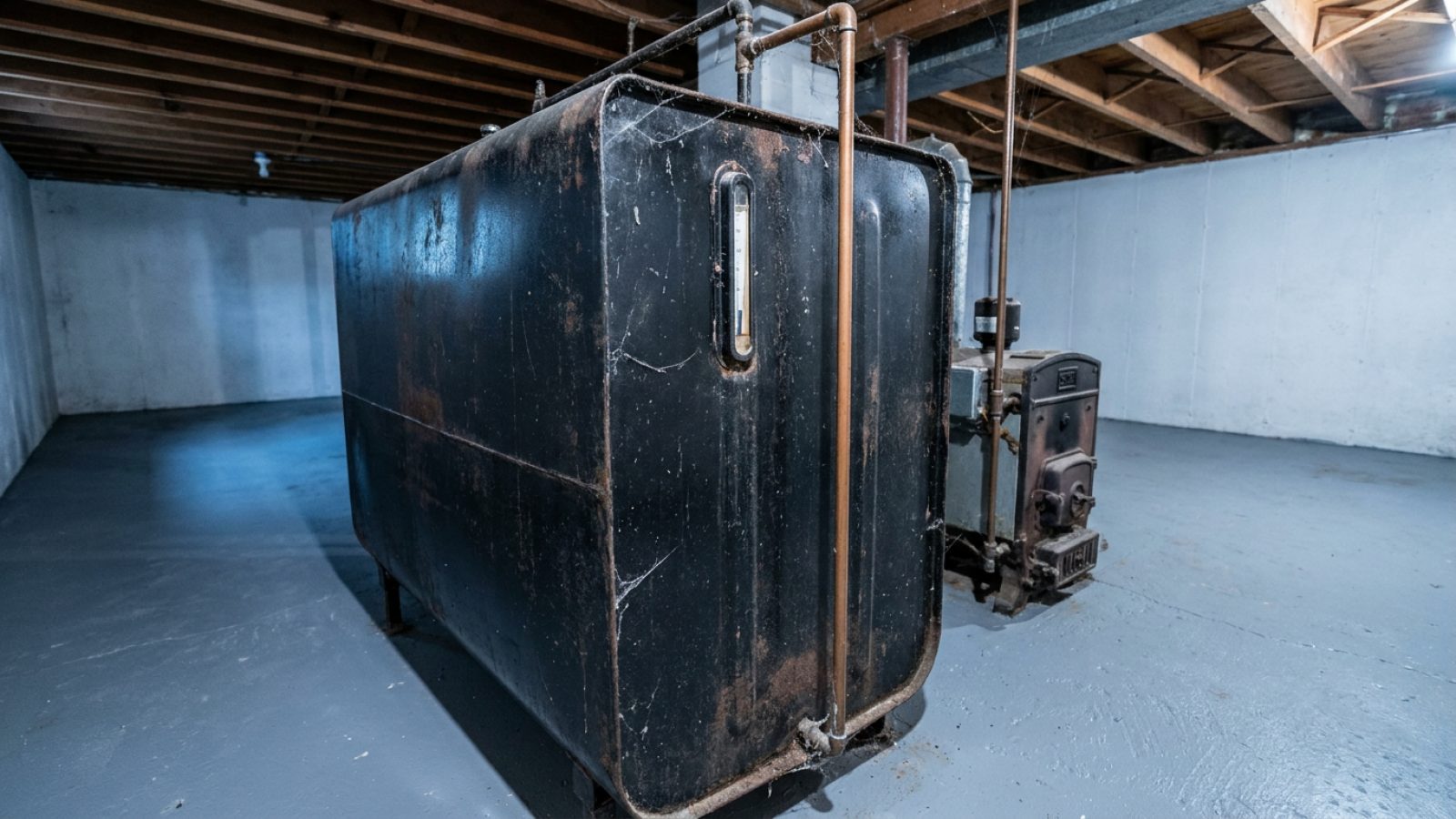
Converting is four separate jobs that happen to be quoted together, and the one most often left off a quote is the tank. In New Jersey, where a buried tank can turn into a remediation project, that omission matters more than anywhere.
- Covering 1 Princeton Junction ZIP code
- Free to use, no obligation
Leave the building and call from outside — that is an emergency services call, not a service call. A yellow burner flame or headaches that clear when you leave the house point the same way. For no heat in freezing weather, call rather than read on: the risk there is frozen pipes rather than comfort, and it arrives within hours.
Call about oil to gas conversion in Princeton Junction
(949) 703-2282Free to use, and there is nothing to pay us. You are never committed to going ahead.
What happens when you call
- You describe the problem and where you are.
- We put you in touch with a licensed contractor covering that area.
- They arrange the visit and agree the price with you directly.
Worth having to hand
- Roughly how old the system is
- What it is doing — or not doing
- Your ZIP code
What to ask for on Oil to Gas Conversion in Princeton Junction
- Time it to coincide with equipment that is due anyway
- The gas service line comes from the utility, on their timeline
- Tank removal or abandonment must be done to code
- Flue relining belongs on the quote, not discovered later
- Licensed & insured We match you with contractors who hold current licensing and cover.
- Know what to ask Every page says what decides the price, so you can judge a quote.
- Free to use We never charge you. Compare quotes and walk away at any point.
- Same-day reply Inquiries answered the day they arrive, usually within a couple of hours.
How it works
Three steps, no obligation at any of them.
-
1
Call and tell us what is wrong
Describe the problem and give us your ZIP code. We match you with a licensed HVAC contractor covering your area — there is nothing to fill in and nothing to pay us.
-
2
A local contractor gets in touch
A licensed HVAC professional contacts you to discuss the problem and arrange a visit in Princeton Junction. What they charge to attend or diagnose is theirs to set, so agree it with them up front.
-
3
You decide
Book the work, wait a season, or get a second quote. There is no obligation to go ahead with the contractor we introduce you to, and nothing to pay us either way.
What these repairs look like
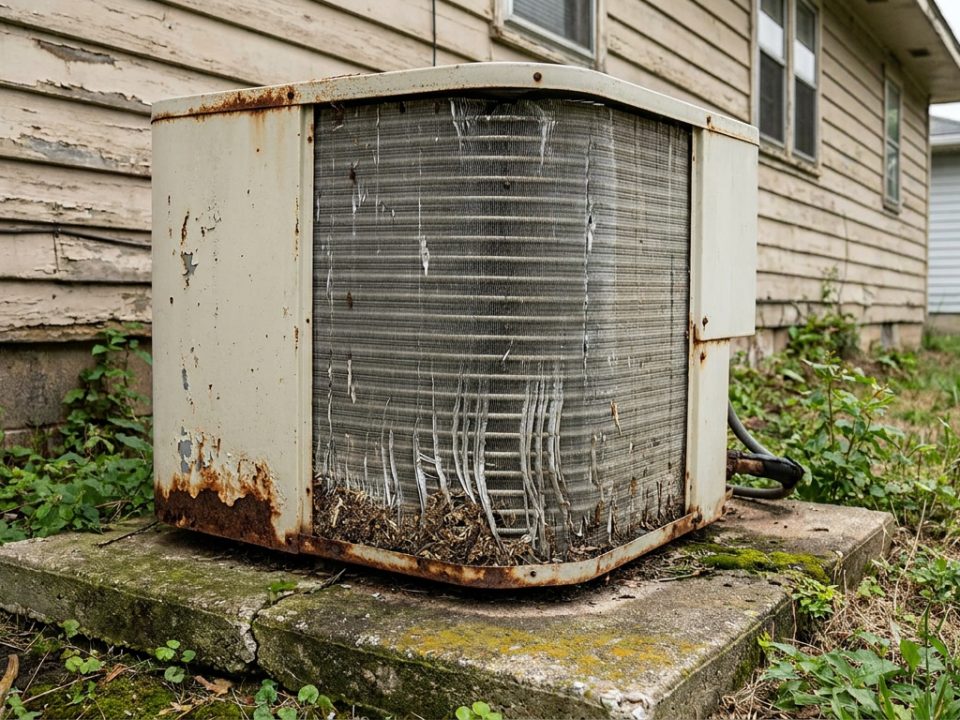
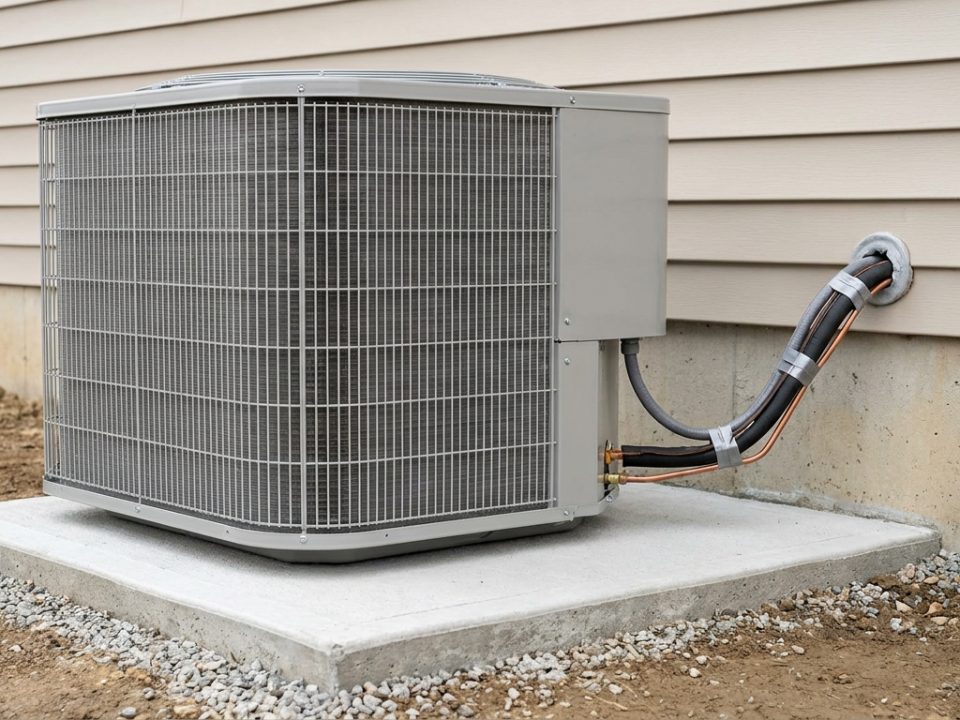
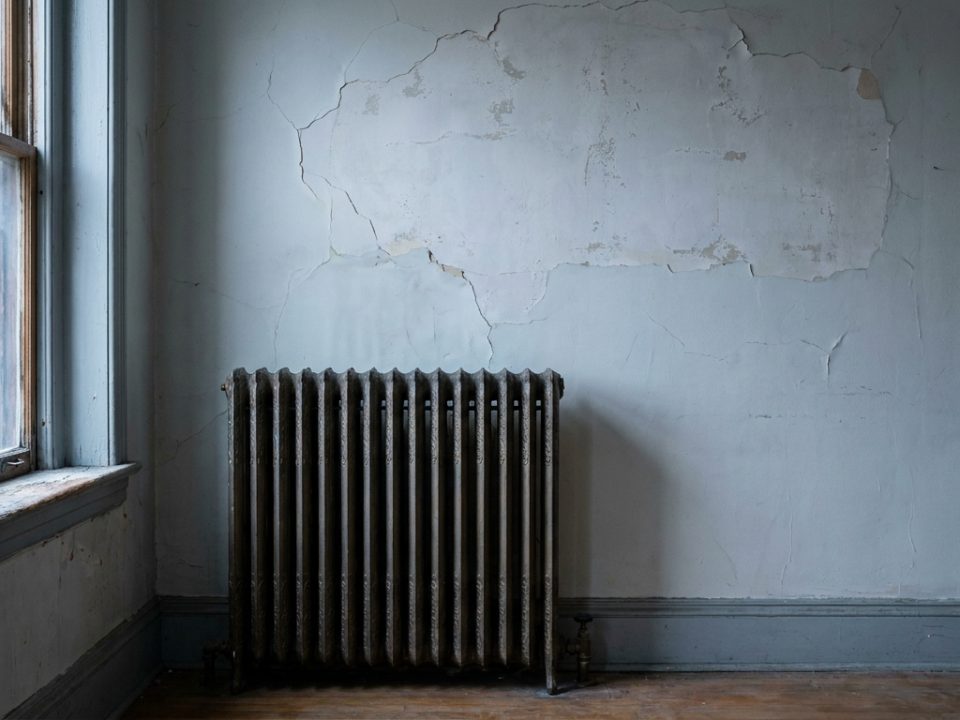
Illustrative examples of the work described here. More in our disclaimer.
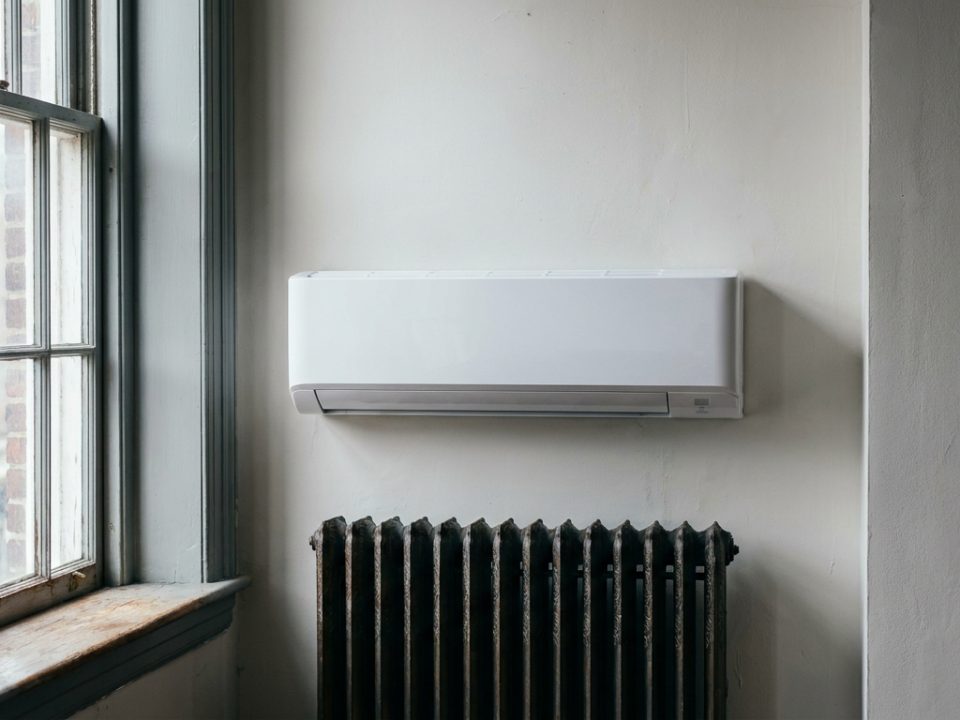
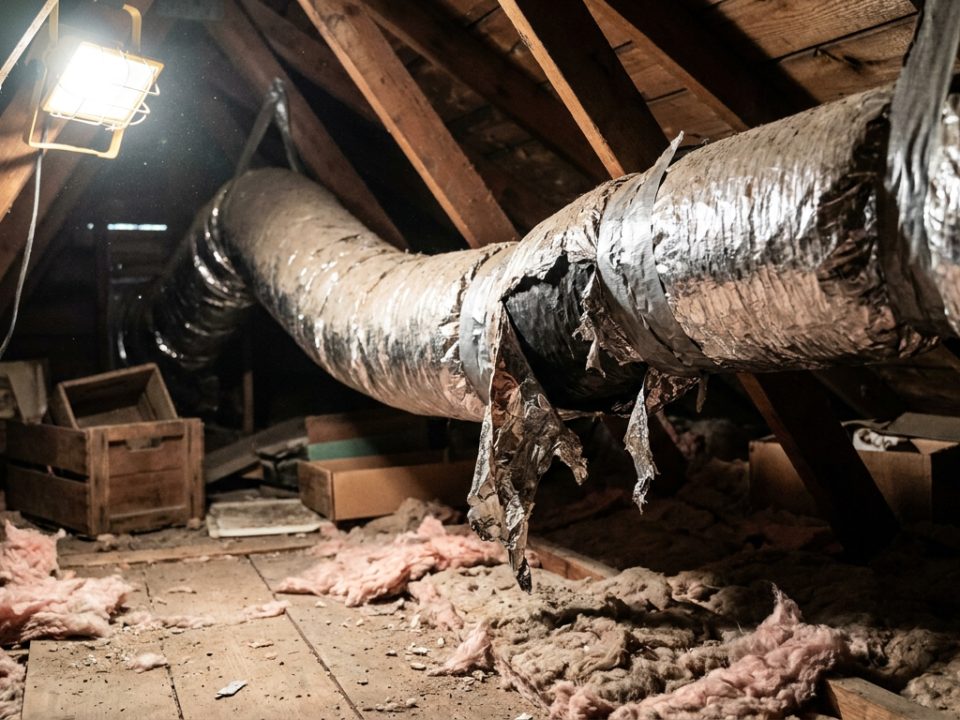
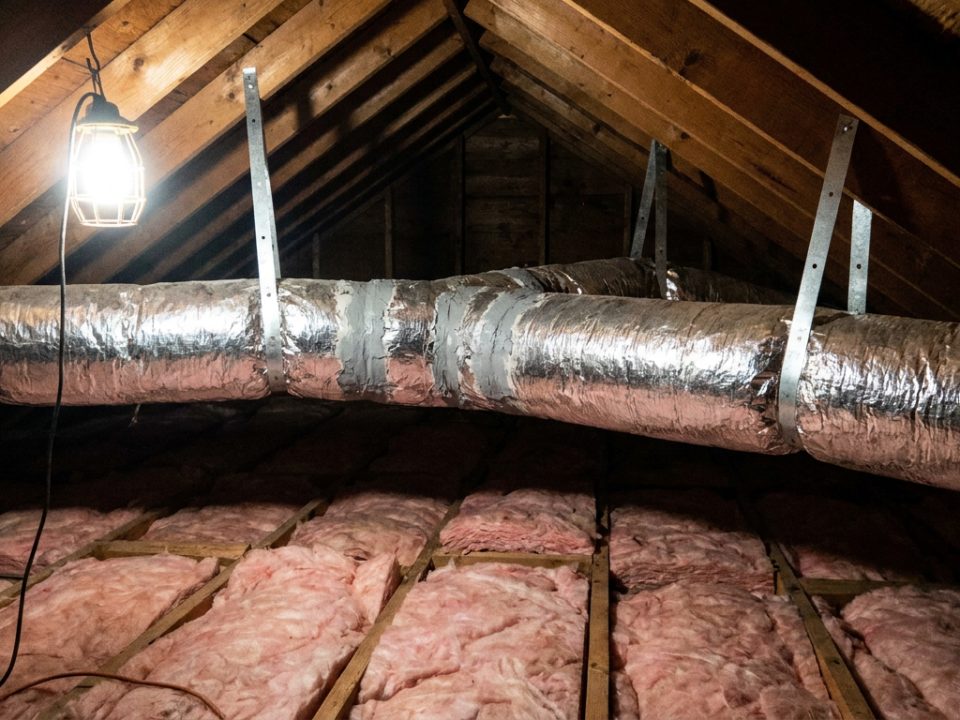
Oil to Gas Conversion in Princeton Junction
The systems we see in Princeton Junction tend to share a history — a heating system replaced once or twice, cooling added later, and ductwork extended as rooms were added rather than designed for the house as it now stands. Most comfort complaints here start there.
About 18% of homes in Princeton Junction were built before 1940 — old enough to have been built with radiators and no ductwork at all; 15% of them still heat with oil, which is the strongest case in the state for either a gas conversion or a cold-climate heat pump. (US Census ACS 2022)
Is it worth doing?
Timing decides it more than anything else.
Convert when the equipment is due anyway
If the boiler or furnace is at end of life, you are buying a replacement regardless — so the conversion cost is the difference between a gas appliance and an oil one, plus the service, tank and flue work. That is a very different sum from converting perfectly good equipment, which rarely pays back.
Price a heat pump against it before committing
This is the step most people skip. If you are already opening up the heating system and there is no gas in the street, a cold-climate heat pump avoids the service line and the flue entirely, and New Jersey stacks a state rebate with a utility one. Against oil at current prices the running-cost comparison is often favorable. It deserves a genuine quote rather than a dismissal.
What actually changes on the bill
Gas is generally cheaper per unit of heat than oil, though the gap moves with markets and neither is fixed. The more reliable savings are the ones nobody quotes: no deliveries to schedule, no running out in February, no tank to worry about, and a meaningfully more efficient appliance than the one being removed.
The four jobs inside one quote
A conversion is rarely just a boiler swap, and understanding the parts is how you tell a complete quote from a cheap one.
One: the gas service
A supply line from the main in the street, plus a meter. That comes from your utility — PSE&G, New Jersey Natural Gas, South Jersey Gas or Elizabethtown Gas — on their schedule rather than your contractor's, and lead times vary by season and by how much digging is involved. Establish first whether there is even gas in your street; in parts of Sussex, Warren and rural Salem there is not.
Two: the appliance
A gas boiler or furnace, sized properly for the house rather than matched to the oil unit being removed. Oil equipment was frequently oversized, and carrying that error across is a common and expensive mistake.
Three: the tank
Covered in full below, because in New Jersey it is the item most likely to change the total.
Four: the flue
A flue sized for oil is too large for a modern gas appliance. The gases move slower and cooler, condense against the masonry, and that moisture is acidic. Left alone it destroys the chimney from the inside over a few years and can stop the flue drafting properly, which is a combustion safety problem. Relining is the normal answer and it belongs on the quote.
The full guide: everything about oil to gas conversion — how the job works, what decides the price, and the questions worth asking before you book — is on the service page. This page covers what is different about it in Princeton Junction.
Areas we cover in Princeton Junction
That includes properties near Charter Club, Princeton Junction Train Station and Princeton Oaks, and everywhere else in Princeton Junction.
Oil to Gas Conversion in Princeton Junction — FAQs
What qualifications should a Princeton Junction HVAC company have?
Ask for three things and check them: current liability insurance, the appropriate license for your municipality, and EPA Section 608 certification for anyone handling refrigerant. Ask to see the documents rather than taking the logo on the van as proof. For gas work in particular, licensing exists because the failure modes are carbon monoxide and fire.
Can you work on a rental or multi-family property in Princeton Junction?
Yes. Ask the contractor for the findings in writing so a landlord or managing agent can act on them. In apartment buildings the usual complication is what the building permits — which equipment, mounted where, and by whose contractor — so that is worth establishing before anything is ordered.
I heat with oil in Princeton Junction — what are my options?
You are not unusual here: 15% of Princeton Junction homes still heat with oil (US Census ACS 2023). Three things are worth knowing. Oil equipment needs a genuine annual service — nozzle, filter and a combustion setup on the analyzer — rather than the lighter attention gas equipment tolerates. If gas is available at your street, the moment to convert is when the boiler or furnace is due anyway, because then you pay the difference rather than the whole job. And a cold-climate heat pump is the strongest alternative in exactly this situation, since the fuel it displaces is the expensive one and New Jersey stacks a state rebate with a utility one on exactly this swap.
What HVAC problem is most common around Princeton Junction?
Historic housing where the constraint on cooling is what may be attached to the outside of the building. That pattern is regional rather than universal — trenton, Princeton, Hamilton, Ewing and Lawrence. It is worth knowing before you book, because it tells you what someone should be looking hardest at here.
How much does HVAC repair cost in Princeton Junction?
It depends on which part has failed, and the spread is wide. Capacitors, contactors, igniters, thermostats and blocked condensate drains are the inexpensive end and are usually done in one visit. Blower motors, control boards, gas valves and refrigerant leak repairs are the expensive end, and on an older system are worth weighing against replacement. Central Jersey and Mercer labor rates are a little above the state average. Call and describe the symptom and we will put you in touch with someone who can price it properly against your equipment.
Do you cover all of Princeton Junction?
Yes, we cover Princeton Junction and the surrounding area. Give us your ZIP code on the call and we will confirm before arranging anything.
How long does a conversion take?
The appliance work is usually a few days. The calendar is set by the utility service line and meter, which can take weeks depending on season and how much excavation is needed. Start the utility application early — it is the long pole, not the boiler.
Why does the chimney need lining?
A flue sized for oil is too large for a modern gas appliance. The gases travel cooler and slower, condense against the masonry, and that condensate is acidic. Over a few years it deteriorates the structure from inside, and a flue that stops drafting properly is a combustion safety issue rather than a maintenance one.
Other HVAC services in Princeton Junction
- Emergency HVAC Repair
- AC Repair
- AC Installation
- Ductless Mini-Split Installation
- PTAC Repair and Replacement
- Through-the-Wall AC Installation
- Furnace Repair
- Furnace Installation
- Boiler Repair
- Boiler Installation
- Heat Pump Installation
- HVAC Maintenance and Tune-Ups
- Ductwork Repair and Sealing
- Air Duct Cleaning
- Indoor Air Quality
- Coastal HVAC Corrosion Protection