Covering 23 ZIP codes
PTAC Repair and Replacement in Trenton, NJ
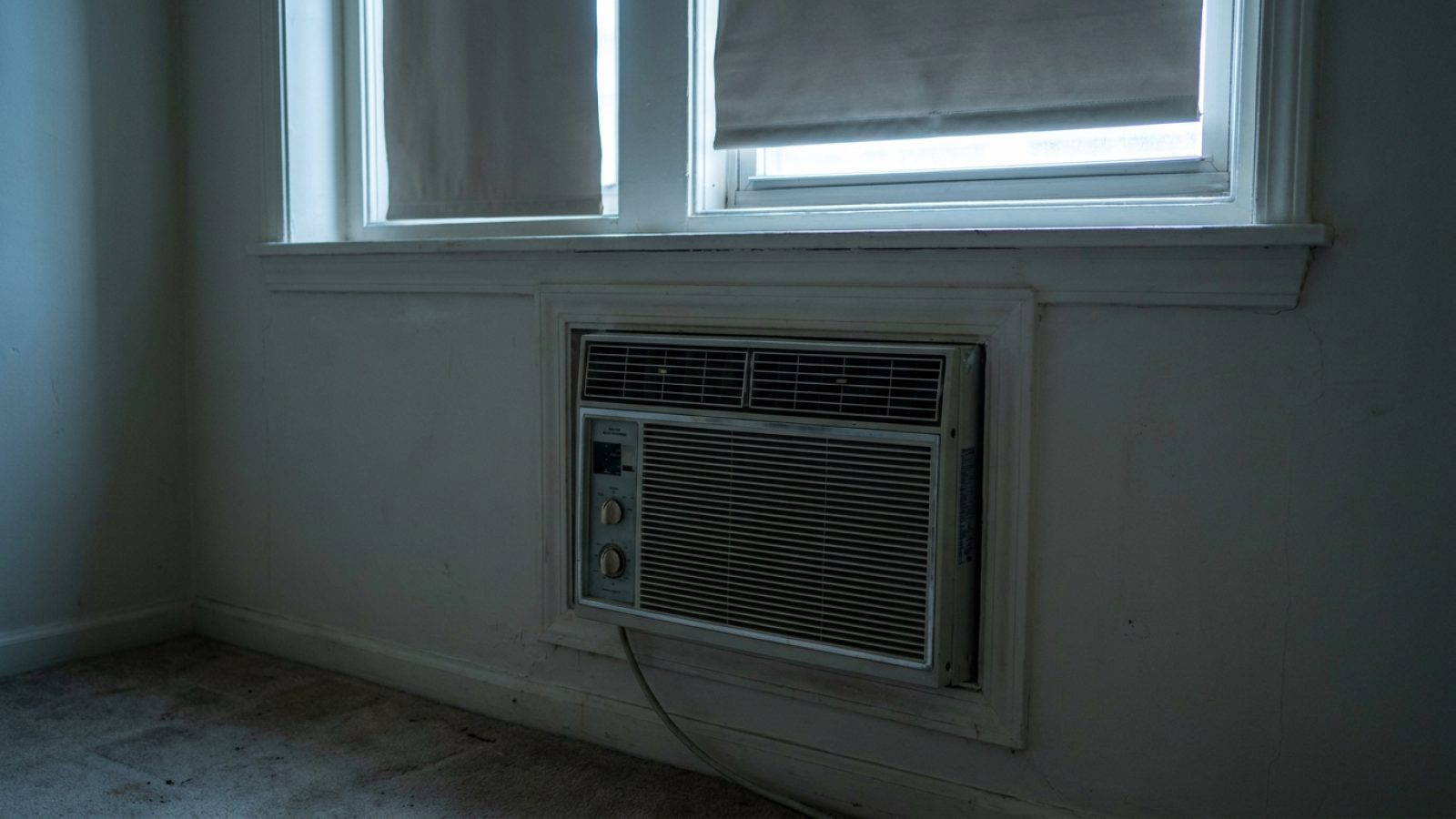
The self-contained unit under the window in most mid- and high-rise buildings along the Gold Coast and through Newark and Jersey City. The critical detail is the sleeve, because it is built into the wall and the replacement has to fit it.
- Covering 23 Trenton ZIP codes
- Free to use, no obligation
Leave the building and call from outside — that is an emergency services call, not a service call. A yellow burner flame or headaches that clear when you leave the house point the same way. For no heat in freezing weather, call rather than read on: the risk there is frozen pipes rather than comfort, and it arrives within hours.
Call about PTAC in Trenton
(949) 703-2282Free to use, and there is nothing to pay us. You are never committed to going ahead.
What happens when you call
- You describe the problem and where you are.
- We put you in touch with a licensed contractor covering that area.
- They arrange the visit and agree the price with you directly.
Worth having to hand
- Roughly how old the system is
- What it is doing — or not doing
- Your ZIP code
What to ask for on PTAC Repair and Replacement in Trenton
- Measure the existing sleeve before choosing a unit
- Chassis dimensions vary between manufacturers
- Most buildings have rules about permitted models
- Repair is often uneconomic past a certain age
- Licensed & insured We match you with contractors who hold current licensing and cover.
- Know what to ask Every page says what decides the price, so you can judge a quote.
- Free to use We never charge you. Compare quotes and walk away at any point.
- Same-day reply Inquiries answered the day they arrive, usually within a couple of hours.
How it works
Three steps, no obligation at any of them.
-
1
Call and tell us what is wrong
Describe the problem and give us your ZIP code. We match you with a licensed HVAC contractor covering your area — there is nothing to fill in and nothing to pay us.
-
2
A local contractor gets in touch
A licensed HVAC professional contacts you to discuss the problem and arrange a visit in Trenton. What they charge to attend or diagnose is theirs to set, so agree it with them up front.
-
3
You decide
Book the work, wait a season, or get a second quote. There is no obligation to go ahead with the contractor we introduce you to, and nothing to pay us either way.
What these repairs look like
Illustrative examples of the work described here. More in our disclaimer.
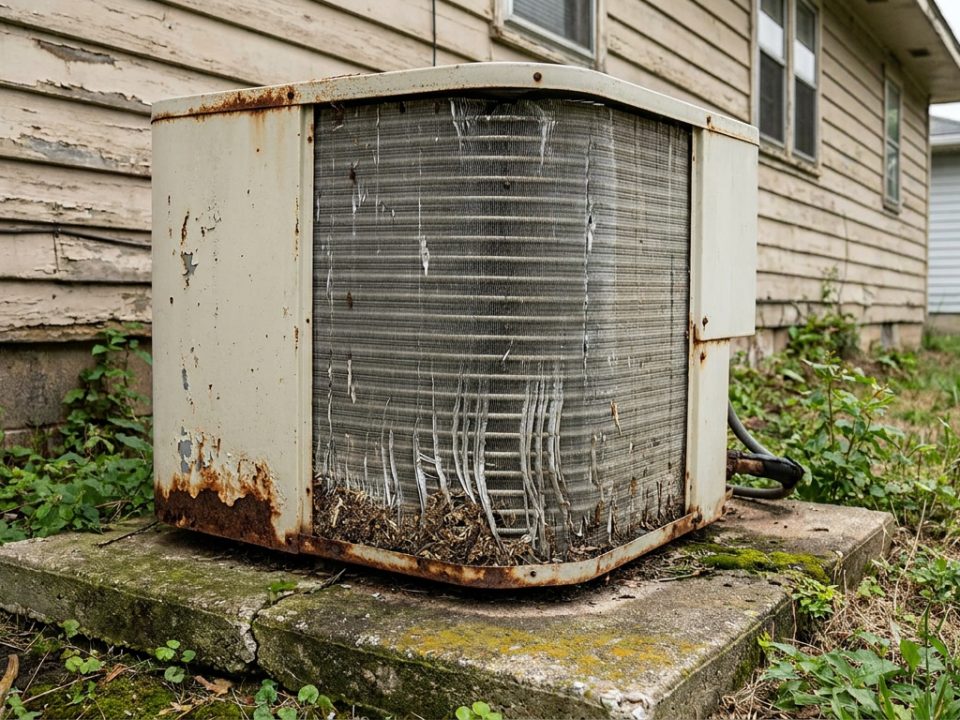
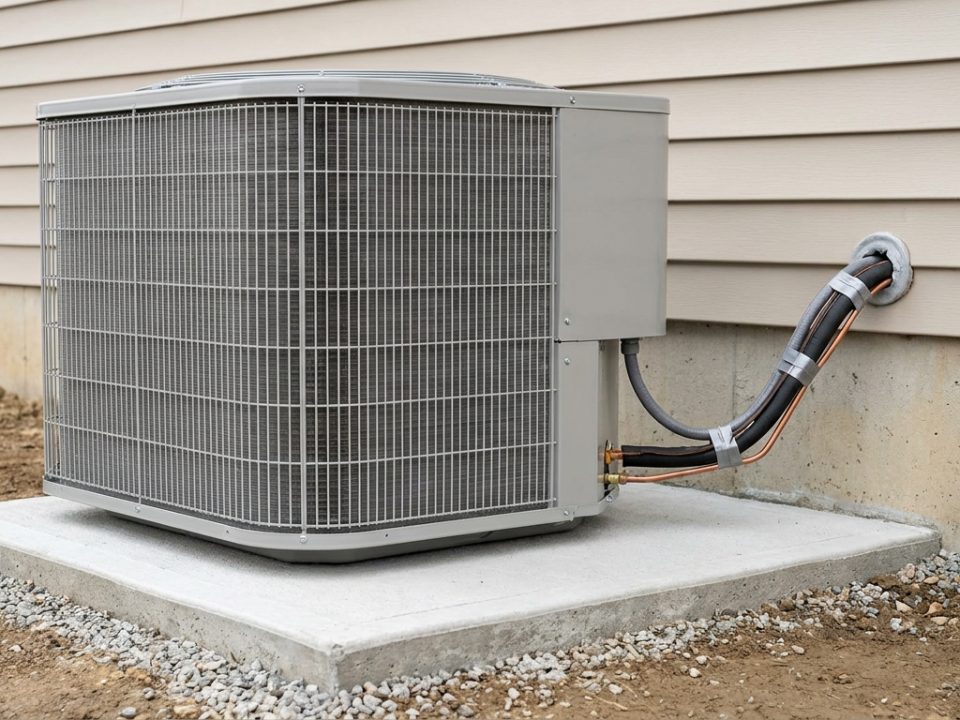
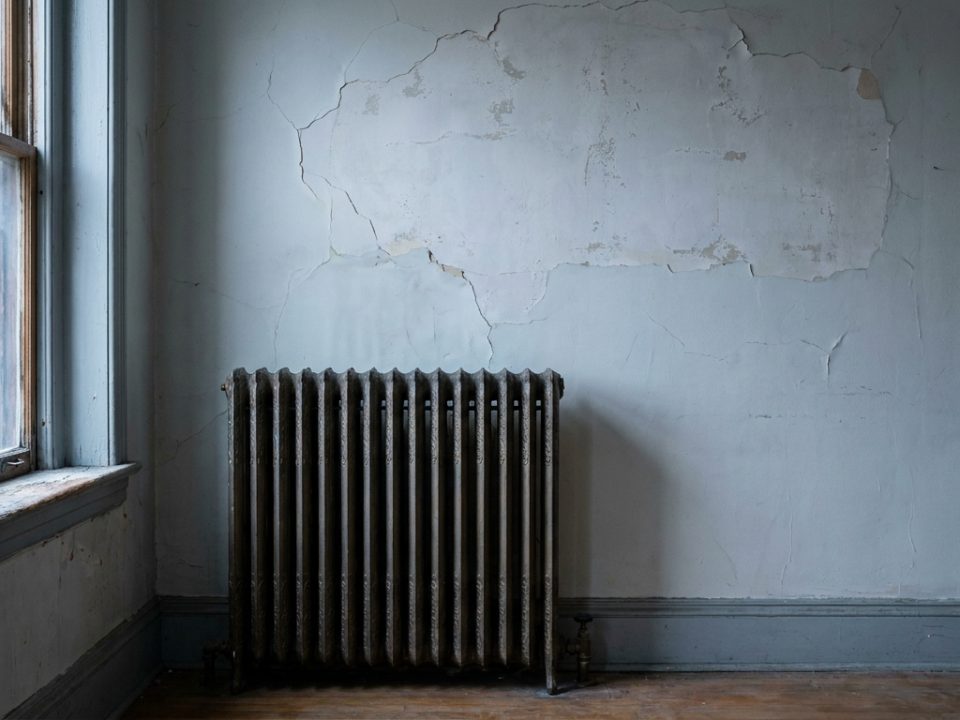
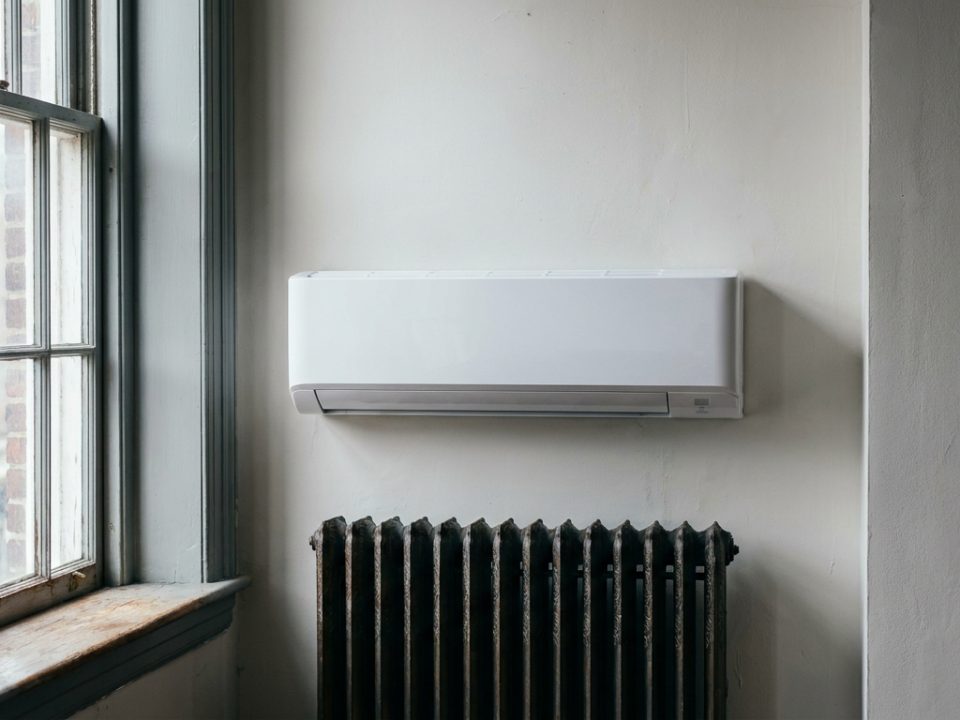
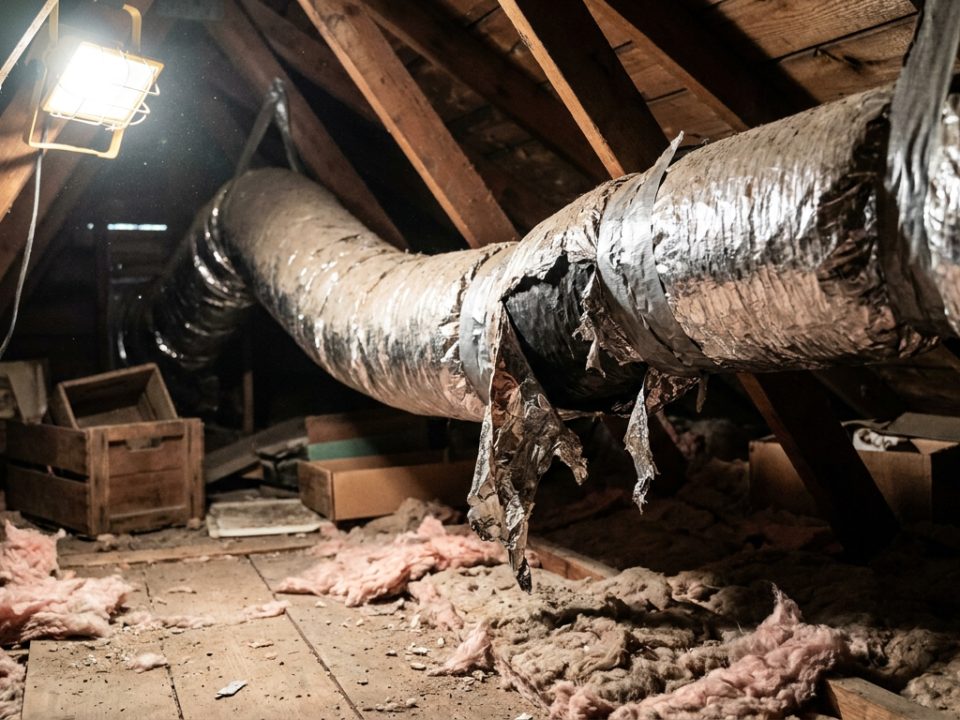
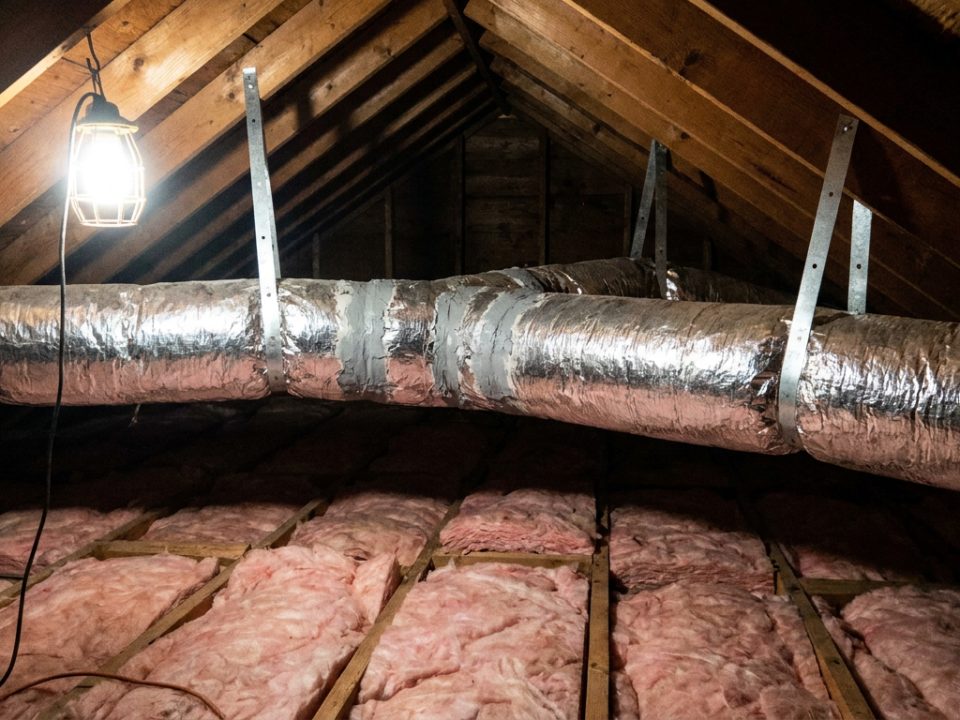
PTAC Repair and Replacement in Trenton
The systems we see in Trenton tend to share a history — a heating system replaced once or twice, cooling added later, and ductwork extended as rooms were added rather than designed for the house as it now stands. Most comfort complaints here start there.
About 45% of homes in Trenton were built before 1940 — old enough to have been built with radiators and no ductwork at all; 68% of them heat with natural gas, so furnace and boiler work is the bulk of what comes up here. (US Census ACS 2022)
What a PTAC is and why the sleeve matters
A packaged terminal air conditioner puts the entire refrigeration circuit in one cabinet that slides into a sleeve through the exterior wall — no ductwork, no outdoor unit, each room independent. That independence is why they dominate apartment buildings and hotels.
The sleeve is a permanent part of the building. When a unit fails, the chassis is replaced and the sleeve stays.
Sizes are not universal
The common size is 42 by 16 inches, and a great deal of stock fits it — but older buildings and some manufacturers used different dimensions, and a chassis that is an inch out will not seal. Measure the sleeve before ordering anything.
Heat pump or electric resistance
PTACs come as cooling-with-electric-heat or as heat pumps with electric backup. The heat pump version costs more and is substantially cheaper to run through a New Jersey shoulder season. If you are replacing anyway, it is usually the better buy.
The building probably has rules
Condo and co-op boards commonly specify permitted models, exterior grille appearance and who may do the work, because the units are visible from the street and tied into building electrical. Check before ordering rather than after.
What goes wrong
PTACs live a hard life — they are compact, they sit in a wall, and in hotels they run nearly continuously.
Poor airflow and dirty filters
The filters are behind the front panel and are meant to be cleaned monthly. In practice they are cleaned when something goes wrong. Restricted airflow is the leading cause of both poor performance and premature failure.
Drainage and water indoors
The unit drains condensate through the sleeve to the outside, usually with a slight pitch. Blocked drains, or a sleeve that has lost its pitch, put water on the floor inside. Common and usually straightforward.
Fan motors, capacitors and control boards
The ordinary electrical failures, all repairable and all worth pricing against a replacement chassis.
Sealing around the sleeve
Perished foam and failed caulk around the sleeve let outside air straight in. This presents as a unit that cannot keep up, and it is not the unit at all.
The full guide: everything about ptac repair and replacement — how the job works, what decides the price, and the questions worth asking before you book — is on the service page. This page covers what is different about it in Trenton.
Areas we cover in Trenton
We work throughout Trenton, including the areas around Arm and Hammer Park, Assunpink Creek Trail, Branch Brook Park and Cadwalader Heights.
PTAC Repair and Replacement in Trenton — FAQs
How quickly can someone get to me in Trenton?
Call and we will put you in touch the same day, usually within a couple of hours during working hours. Outside the peaks an assessment is normally within a few days. During the first heat wave of the summer or the first hard freeze of the winter it stretches, which is the argument for booking servicing before the season rather than during it.
My AC is running but the house is not getting cool. What is wrong?
Usually one of four things: a blocked filter, an outdoor coil packed with debris, a failed capacitor, or low refrigerant from a leak. The first two you can check yourself in five minutes and they account for a real share of Trenton calls. If both are clear, it needs gauges and a meter — and if the charge is low, the leak needs finding rather than topping up.
Should I repair or replace my system?
The usual test is whether the repair costs more than about a third of a replacement on a system past two-thirds of its expected life, which is 15 to 20 years for most equipment. A compressor or heat exchanger failure on an older system generally means replacement; anything electrical on a newer one generally means repair. Ask for both numbers — a contractor who will only quote one is answering a different question.
Do you charge for a quote in Trenton?
Using this site is free and we never charge you anything. What a contractor charges to attend or diagnose is theirs to set — some credit a diagnostic fee against the repair, some do not — so agree that on the phone before they come out. It is a fair question and any reputable firm will answer it.
How often should my system be serviced?
Once a year for each function — cooling in spring, heating in fall — so a house with separate heating and cooling equipment ideally gets two visits. Heat pumps run year-round and are generally serviced twice. Most manufacturer warranties also require documented annual servicing, and that condition is enforced more often than people expect.
Can I get air conditioning in a Trenton house with no ductwork?
Yes, and in most older housing that is the sensible route. A ductless mini-split needs a three-inch hole through the wall rather than duct runs, and it heats as well as cools. Running new ducts through a finished house means opening ceilings and building soffits, and it frequently costs more than the equipment does. Get both quoted before assuming ducts are the answer.
What size PTAC do I need?
Measure the sleeve first — that decides what will physically fit, and 42 by 16 inches is common but not universal. Capacity is then chosen for the room, and oversizing produces the same clammy result it does anywhere else.
Can I replace just the chassis?
Usually yes, and that is the normal repair. The sleeve and exterior grille stay in the wall; the chassis slides out and a new one slides in. It is why PTAC replacement is quick compared with anything ducted.
Neighborhoods we cover in Trenton
HVAC work across Trenton and the areas around it.
- Assunpink Creek Trail
- Chambersburg
- CURE Insurance Arena Plaza
- Drumthwacket
- Exchange Place
- Historic Cadwalader Park
- Historic Old Barracks Museum
- Historic Trenton City Museum
- Ironbound District
- Journal Square
- Lambert Castle
- Marpet Hall Heritage Site
- Mill Hill Historic District
- Morven Museum and Garden
- Newark Museum of Art
- New Jersey State Museum
- Sayen House and Gardens
- State House District
Other HVAC services in Trenton
- Emergency HVAC Repair
- AC Repair
- AC Installation
- Ductless Mini-Split Installation
- Through-the-Wall AC Installation
- Furnace Repair
- Furnace Installation
- Boiler Repair
- Boiler Installation
- Heat Pump Installation
- Oil to Gas Conversion
- HVAC Maintenance and Tune-Ups
- Ductwork Repair and Sealing
- Air Duct Cleaning
- Indoor Air Quality
- Coastal HVAC Corrosion Protection